- Easy Access and Peaceful Nights
- A Smart Alternative for Budget and Balance
- What’s it like in Hachioji?
- What is some of Hachioji’s History?
- What’s there to eat in Hachioji?
- How to get to and from Hachioji to Important Spots
Easy Access and Peaceful Nights
If you’re planning a trip to Tokyo, your first instinct might be to look for hotels in Shinjuku, Shibuya, or Tokyo Station, and maybe Odaiba or Roppongi. But there’s another option many travelers overlook: Hachioji.
Located on the western edge of Tokyo, Hachioji offers easy train access to downtown while providing a relaxed, more affordable, and less tourist-heavy base for your stay. From luxurious hotels to cozy guesthouses surrounded by nature, it’s a part of Tokyo that blends convenience, comfort, and local charm.
And with direct limousine buses from Haneda Airport, getting there couldn’t be easier. And once you’re off the bus with your luggage, it’s a lot easier to navigate to your accommodation! Even just a 10 minute walk from the bus to your hotel can be made much more exhausting when there’s a thick crowd… especially after a very long day of air travel.
A Smart Alternative for Budget and Balance
Let’s be real, Hachioji is a bit farther from central Tokyo. But that slightly longer route does not really make as much of a difference depending on your day-to-day plans. Even if you stay in the heart of Tokyo, you’ll often spend 20-30 minutes traveling to get from one spot to another. From Hachioji, it’s usually about 35-45 minutes to Shinjuku on the JR Chuo Line or Keio Line (perhaps a little longer); a fair trade for the lower hotel rates and quieter atmosphere.
Unless you plan to be out late every night or want instant access to nightlife and convenience stores, Hachioji offers excellent value. But, a word to the “free spirited” visitors: those nights in Tokyo tend to sneak up! You might find your last train back rather early and a taxi ride kind of pricey, so if you’re a “why not stay a little longer” kind of person, just keep that in mind.
Okay, back to the greatness of Hachioji where you’ll find:
- Lower hotel prices: comparable rooms often cost 30-50% less than in central Tokyo.
- More availability: no stress about last-minute reservations.
- A calm, safe, and local environment: perfect after long days exploring Tokyo.
Even factoring in transportation, you’ll likely save money overall, while enjoying a less hectic, more restorative stay.
What’s it like in Hachioji?
Don’t misunderstand: Hachioji isn’t some sleepy suburb, it’s a lively city with its own rhythm and a strong sense of local pride. Many residents have deep roots here and usually consider themselves Hachioji locals before calling themselves Tokyoites.
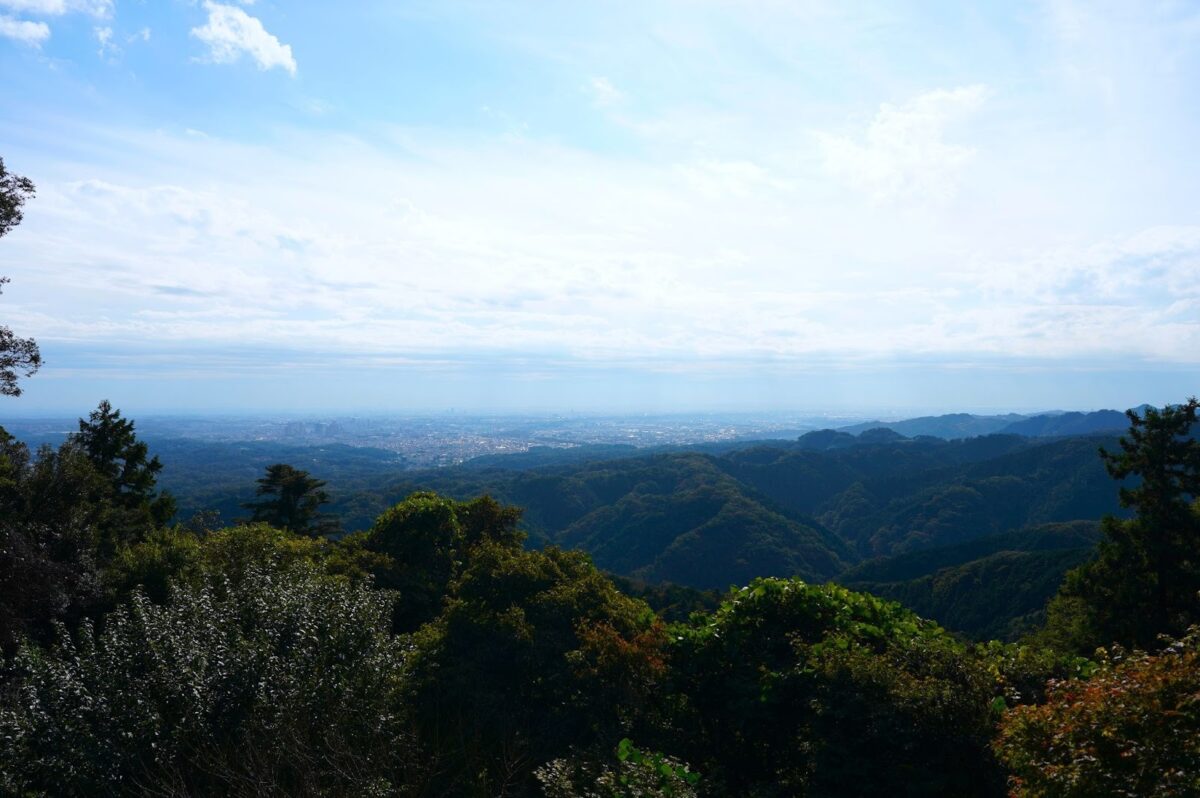
You’ll find all the entertainment staples of Tokyo:
- Karaoke lounges and small, welcoming bars and izakaya
- Shopping malls and local boutiques near the station
- Cultural spots that blend old and new Japan: shrines, markets, and community-run art spaces
- A friendly, down-to-earth vibe that’s easy to connect with
In short, it’s still metropolitan, but more familiar in scale. Lets not forget, Tokyo is the most densely populated city on earth! It can be a little overwhelming for some, especially for extended periods of time. So, Hachioji is perfect if you want to experience Japanese city life without that shock-factor!
What is some of Hachioji’s History?
Long before it became part of metropolitan Tokyo, Hachioji was known as a merchant town and a center for silk production. The city still carries traces of that history in its festivals and crafts, while embracing modern culture with local live houses, galleries, and universities that keep the atmosphere youthful.
If you’re lucky, you might even catch one of Hachioji’s traditional events, such as the Hachioji Festival, held every early August, when the streets fill with food stalls, floats, and more.
What’s there to eat in Hachioji?
You don’t have to head to the heart of Tokyo for great food. Not only is there a great selection of classic favorites, some of Hachioji’s local specialties can’t easily be found elsewhere.
Hachioji Ramen: A simple soy-sauce-based ramen topped with chopped onions, beloved for its comforting flavor. The broth has incredible depth; the flavor has an almost “muted” quality that doesn’t exactly jump out, but really has an impact. It may sound heavy, but actually it is incredibly light and easy to drink. Completed with typical toppings like a soft boiled egg and perfectly cooked chashu, its simplicity to perfection. Learn all about this incredible spot in this article!
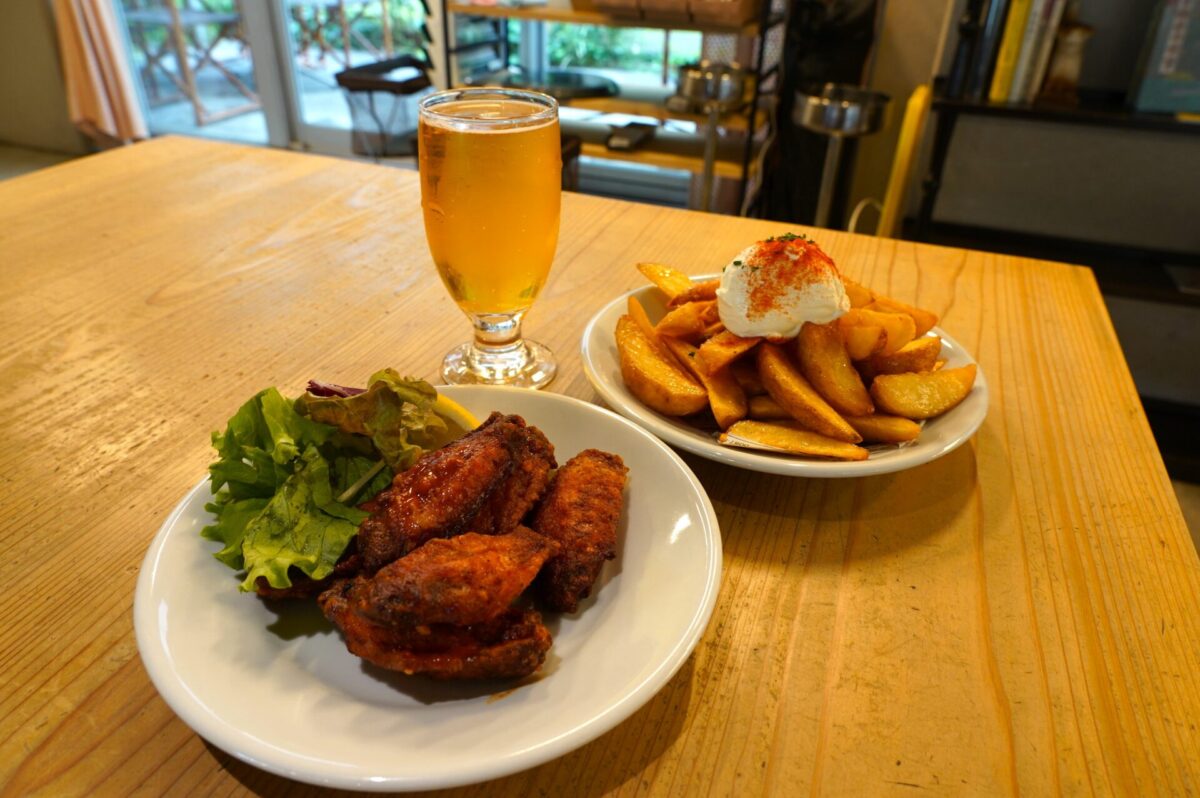
Craft beer bars and independent cafés: Popular with university students and locals. Takaone (a hotel, we go into more detail later) also brews its own beer!

Family-run izakaya: Pub-like establishments where you can chat with the owners and experience true Japanese hospitality.
Pankatsu: A quirky dish that you’ve almost certainly never heard of: deep fried… bread? …That’s been breaded in panko? Far better than you might think, you have to try it! It’s quite unique, and even though it seems simple, there are many factors that go into making it. It’s been around for decades, so the style has been perfected and passed down. Interesting, right? Be sure to check out this article where we interview a local about it!
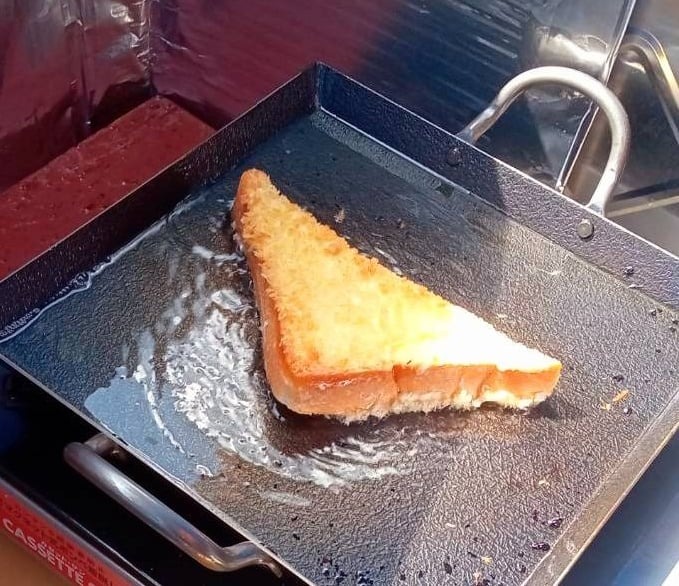
The best part? You’ll rarely need a reservation, and you can actually hear yourself talk over dinner. A small but real luxury that you may not realize you had before (especially after a few nights in Shinjuku!).
How to get to and from Hachioji to Important Spots
From Airports:
There is a direct limousine‑bus from Haneda Airport to Hachioji Station. The fare is ¥2,100 (adult) and ¥1,050 (child). The journey takes around 1 hour 25 minutes.
Narita is a bit further. The most comfortable route would be a bus from Narita to Kichijoji Station: ¥3,150 (adult), Child One-way: ¥1,580 (child), the journey takes around 2 hours – 2 hours and 30 minutes. After, a ride on the JR Chūō Line (details below).
Note: the Narita to Kichijoji route is currently suspended at the time of this article’s creation; the next best option is Narita to Shinjuku.
By train:
- On the JR Chūō Line from JR Hachioji to Shinjuku Station (or Kichijoji station, if you are able to take the bus from Narita): ticket fares are ¥500 for a regular train, taking about 40 minutes.
- Note: fare prices will rise next spring; these are the prices current as of November 2025.
- Similarly to the JR line, the Keio Line from Keio‑Hachioji to Shinjuku offers slightly lower fares (¥410) for the local/rapid services and journey time around 50 minutes to an hour.
By highway bus:
- From Hachioji there are frequent highway‑bus routes to areas such as Mount Fuji and Nagoya, and there are some long‑distance options to the Kansai region (eg. Osaka / Kyoto). Specific fares depend on destination, time of year, and service; you’ll want to check the route and ticket for each bus, but these are a few rates we have seen:
- To Yamanashi (Fuji Q Highland, Mount Fuji, etc.): ¥1,600 – ¥2,000
- To Kyoto, Osaka (Kansai area): ¥4,200 – ¥12,500
Things you can do near Hachioji:
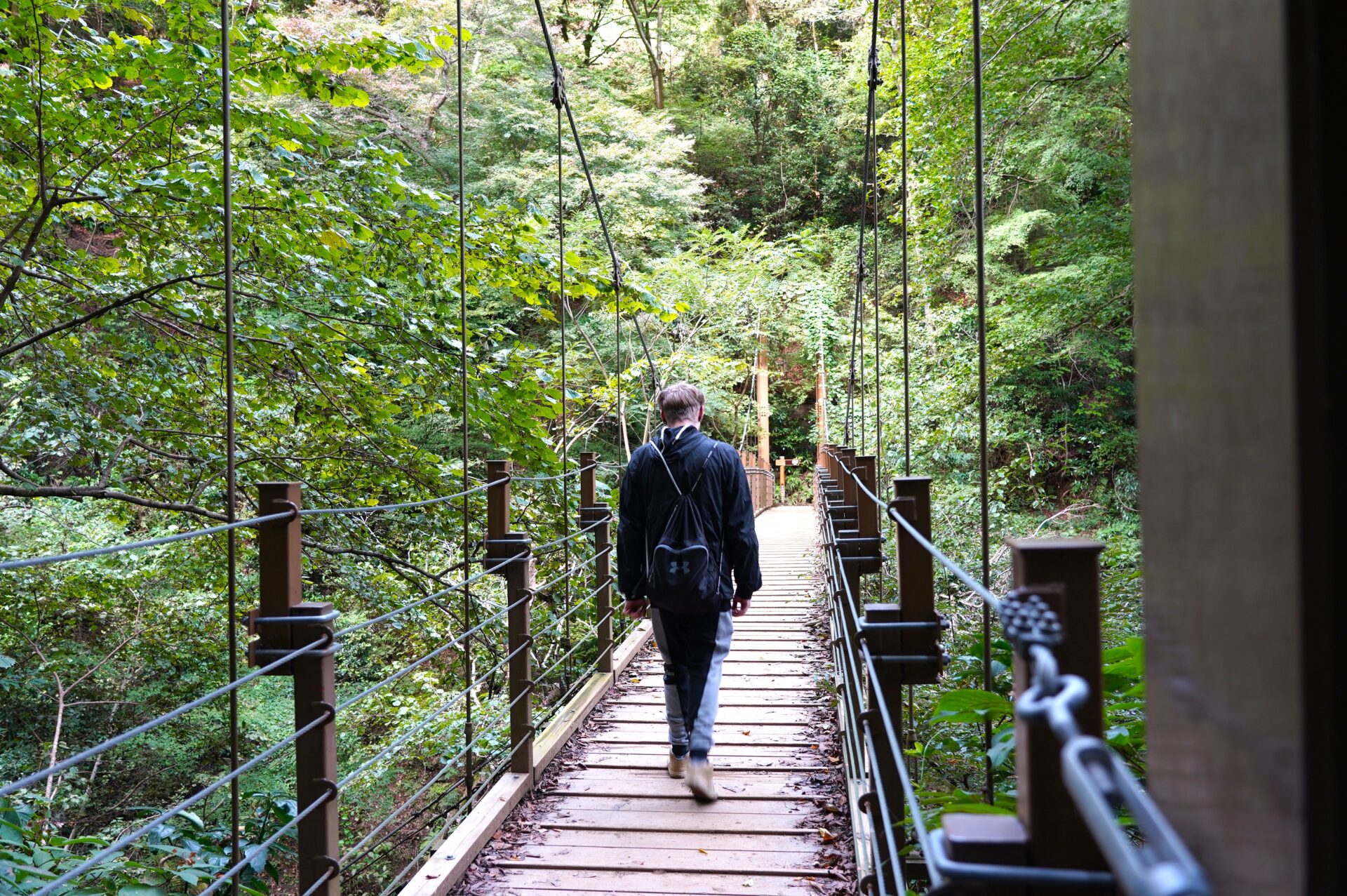
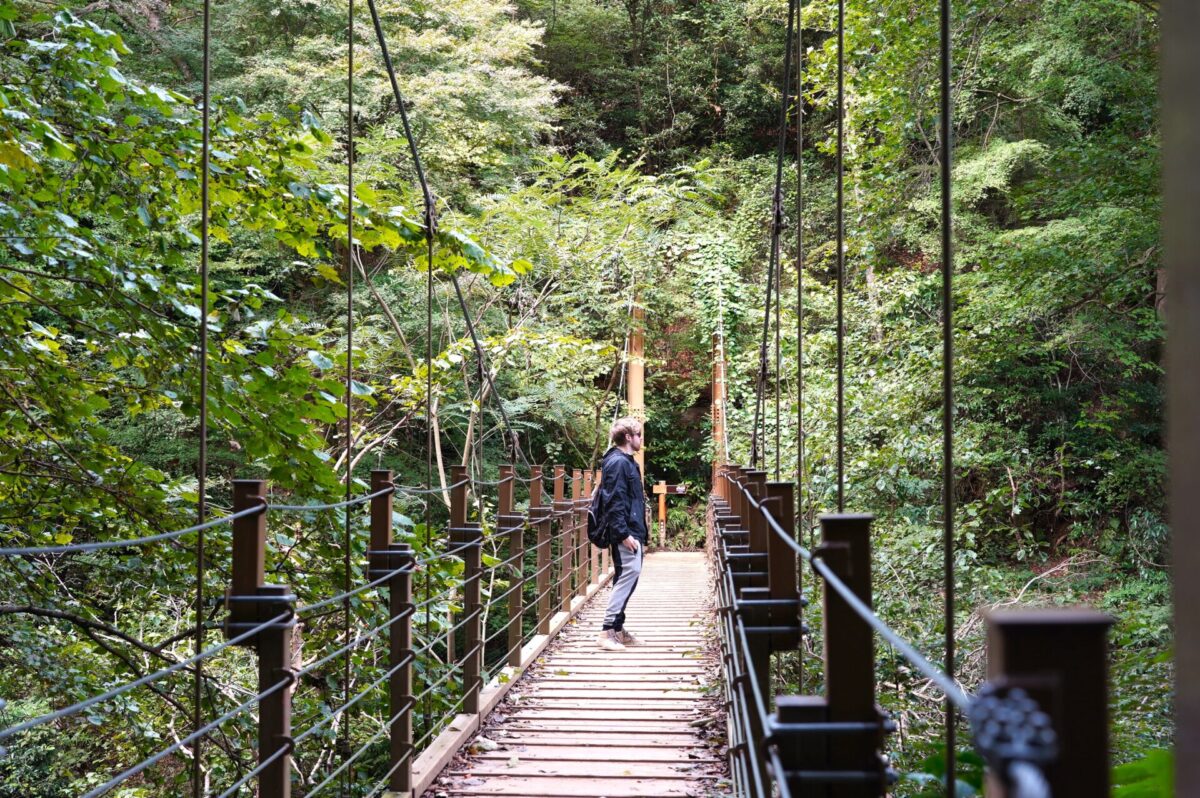
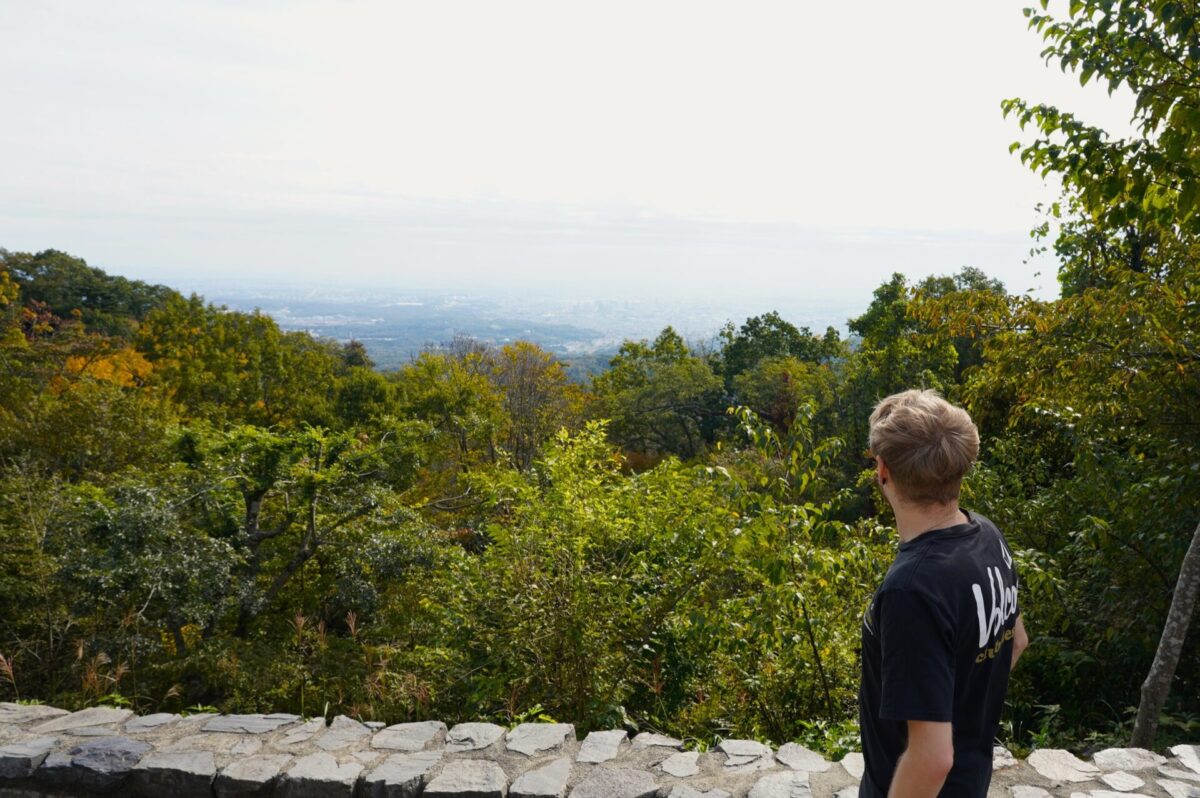
Mt. Takao: Only 15 minutes away, one of Japan’s most popular day hikes with multiple trails of varying difficulty, as well as a cable car! Incredible views of the Tokyo skyline and Mt. Fuji, if it’s not being shy (clouds…)! Mt. Takao Monkey Park & Wildflower Garden is home to over 60 Japanese macaques, this park offers a chance to observe these intelligent creatures up close in a natural setting. It’s a popular stop for families and animal lovers alike.
Odawara & Hakone: Easily reached by train or highway bus connections, Odawara and Hakone are incredible day trips or weekend getaways. Odawara Castle, a historical landmark, offers a glimpse into Japan’s samurai past. Visitors can explore its impressive keep, enjoy the surrounding park, and discover the local history museum. Hakone is a wonderful onsen town geared for R&R. The Hakone Ropeway provides breathtaking views of Mount Fuji and the volcanic activity of Owakudani, where you can also try the famous black eggs, among other things.
Shinjuku, Shibuya, and Yokohama: Perhaps you already know of these areas, they are well known for being some of the main downtown districts. Yokohama is actually in Kanagawa, but it is definitely worth visiting for its port-city vibes and multitude of entertainment. It will be hard to avoid Shinjuku and Shibuya if you’re visiting Tokyo. They are must-visit spots and offer a plethora of things to see and do.
Okutama: If you’re licensed to drive, consider looking into this area! Okutama offers opportunities like hiking, kayaking, and canyoning in its pristine rivers and lush forests. It’s renowned for picturesque lakes like Lake Okutama and numerous hot springs.
It’s a great middle ground: you can enjoy nature, culture, and convenience without feeling trapped in a sea of people.
What are some good hotels in Hachioji?
Keio Plaza Hotel Hachioji
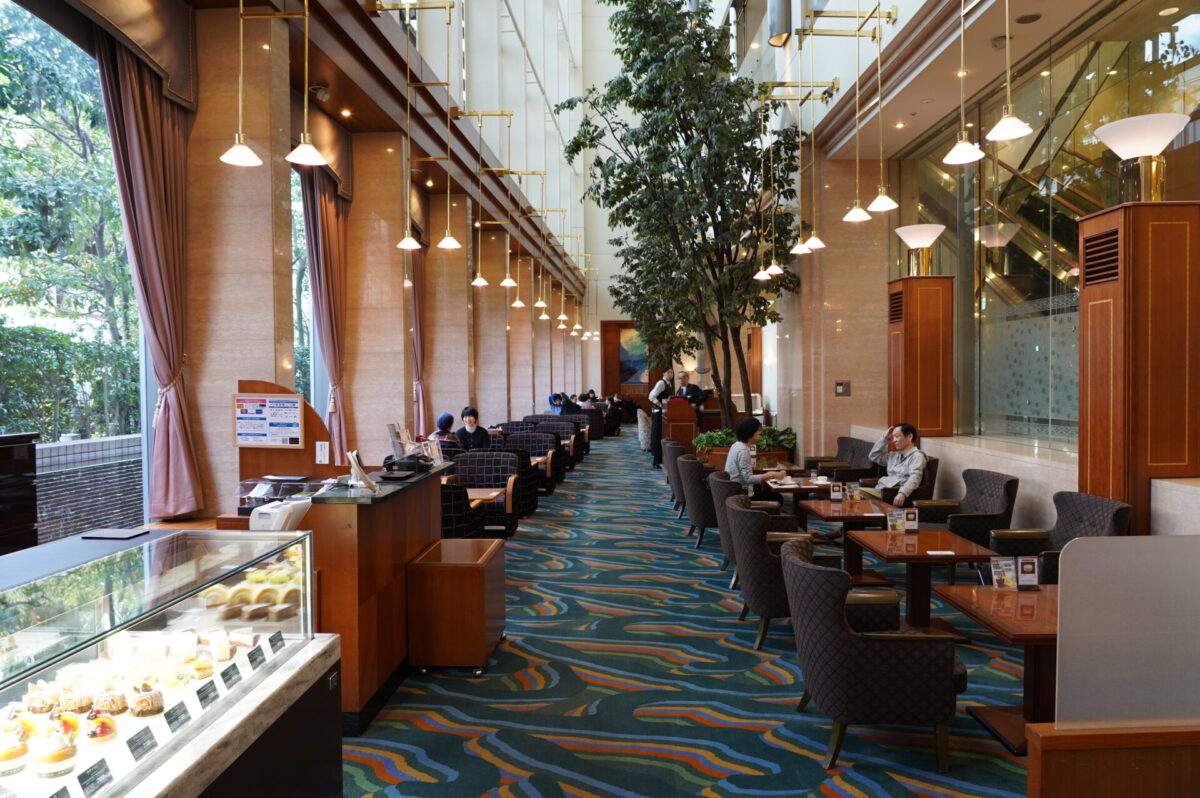
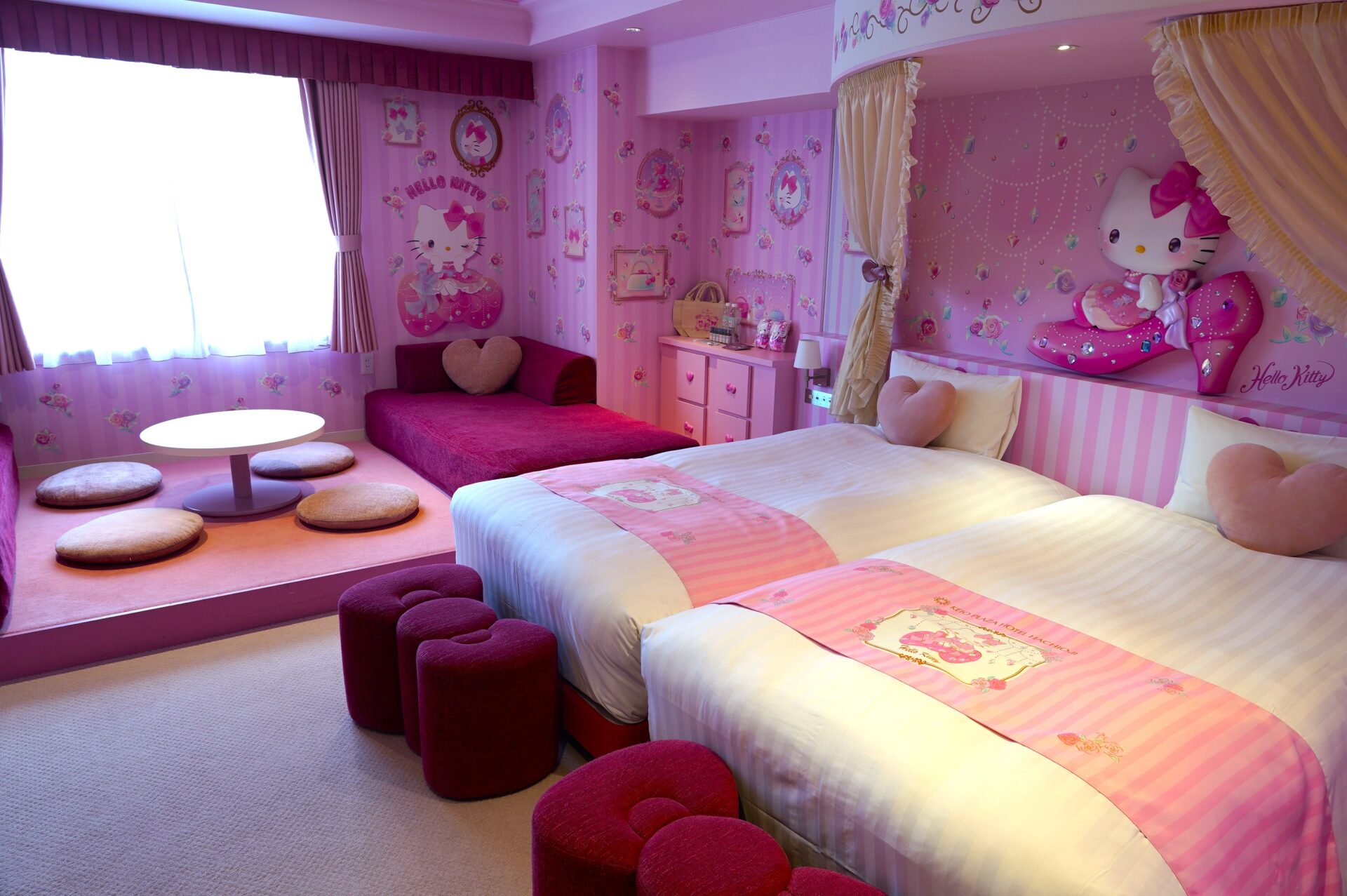
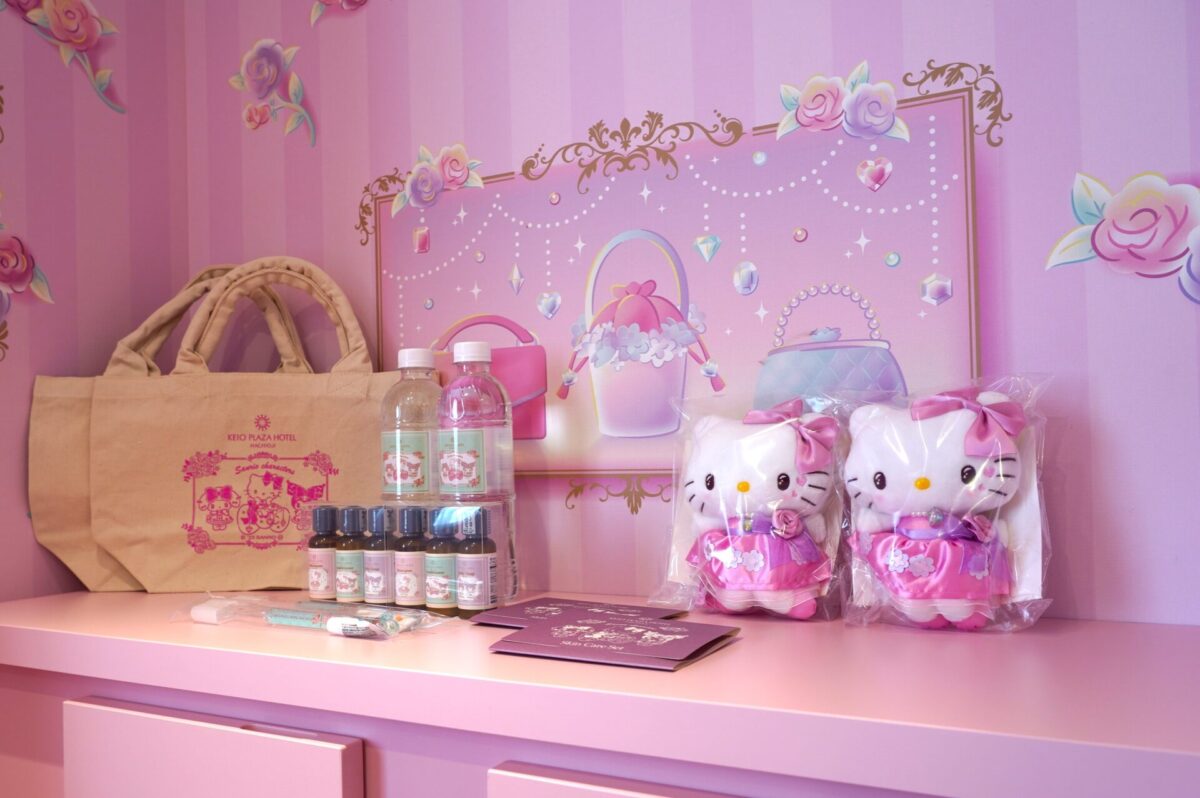
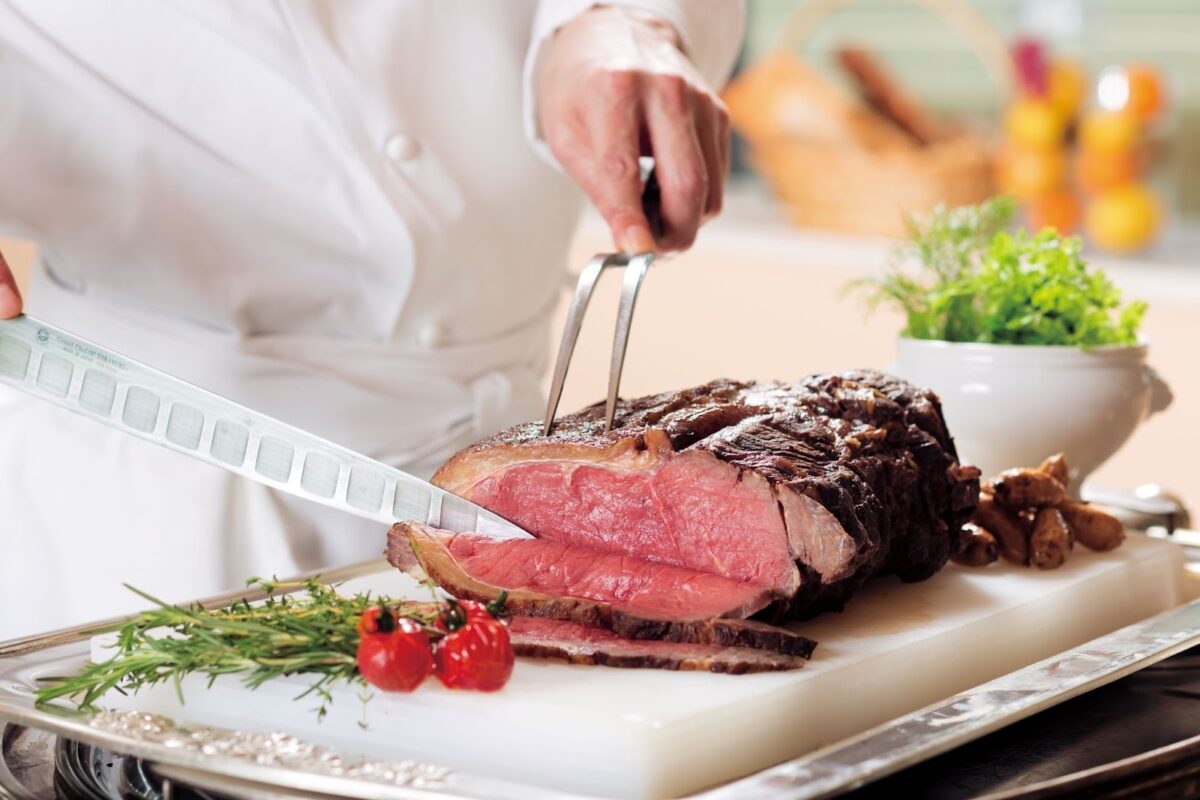
Closely connected (about a minute’s walk) to Hachioji Station which provides airport limousine bus services, this large city hotel offers spacious areas and themed Sanrio Character Rooms that are especially popular with families. Yep- If you want to immerse yourself in Hello Kitty stuff, this is an astonishingly good option! And these rooms are not simply a foot in the door, the hotel has tons to offer! Multiple restaurants (even one with a chance to see Mt. Fuji from the 15th floor), an extensive morning buffet, and tons more.
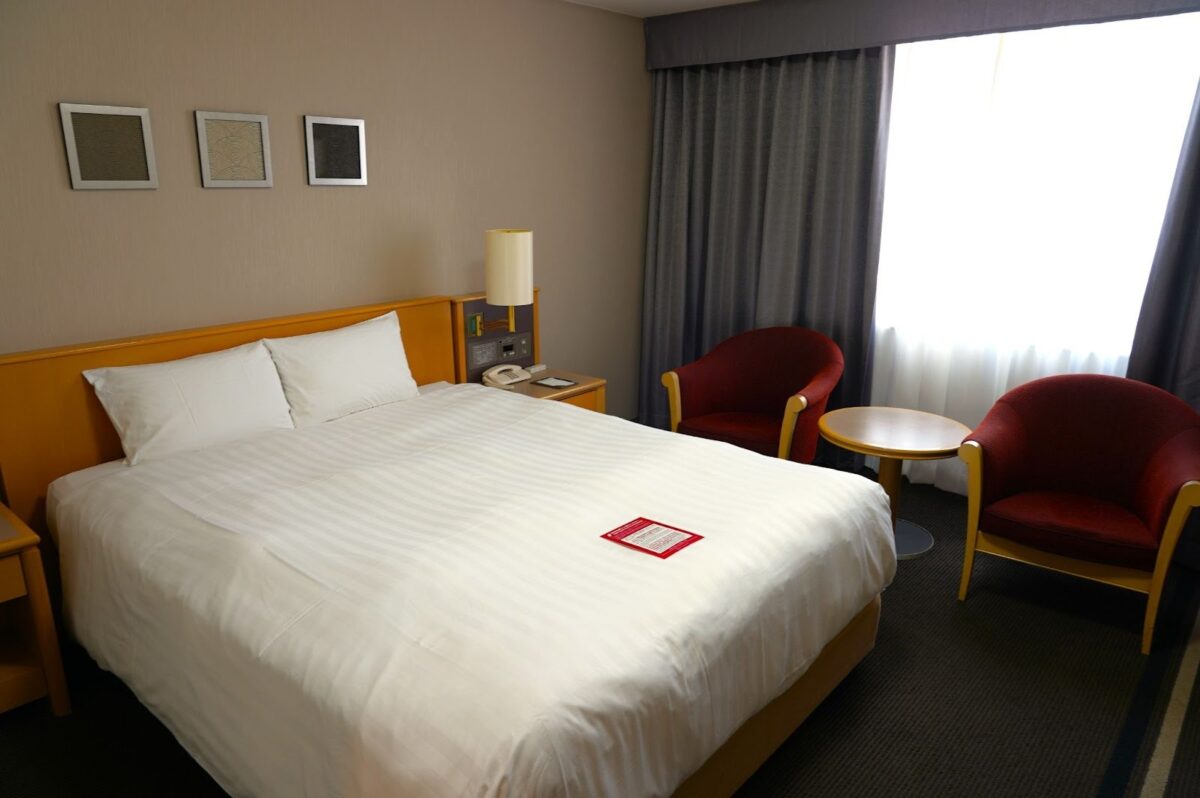
The Keio Plaza hotel also offers great rooms without the theme as well, and at a great price. These rooms come complete with all the essentials and amenities you’ll need to be comfortable and provide you with a nice amount of space to kick back and relax. The price for this kind of quality and space in a more central area is considerably more!
Takaone
A stylish, design-forward stay inspired by nature: perfect for travelers visiting Mt. Takao or those who appreciate a mix of outdoor and modern aesthetics. If you’re looking for the comfort of a hotel but geared towards a camping sort of vibe then this is the spot for you! They even give you a complimentary bundle of wood for a campfire, how nice! They also boast a bonfire area, their original craft beer, a comfortable rooftop, and much more.

And, we said the hotel prices are generally cheaper, right? Well here’s a breakdown of what that looks like:
| Hachioji Hotel | Central Tokyo Hotel | Approximate Range (1 night; per person/per room) | Notes |
| Keio Plaza Hotel Hachioji | Keio Plaza Hotel Tokyo (Shinjuku) | Hachioji: typically ¥10,000–¥25,000 Tokyo: typically ¥40,000–¥65,000 | Same brand chain, different location & pricing tier. |
| APA Hotel Hachiojieki-Kita | APA Shinjuku Kabukicho Chuo | Hachioji: typically ¥51,000–¥30,000 depending on the room and day. Shinjuku: typically ¥21,000–¥36,000 depending on the room and day. | Comparing prices of a chain in different locations |
| The b Hachioji budget/upper‑budget local stay. | Tokyo House Inn Shinjuku budget hotel | Hachioji: typically ¥5,700–¥13,300 depending on the room and day. Shinjuku: typically ¥6,000–¥13,000 depending on the room and day. | Comparing prices of a budget hotel vs premium hotel in different locations |
Keep in mind these are just examples. Prices vary drastically between seasons, weekdays, weekends, holidays, etc. so be sure to check current information and get to know Japanese holidays! This is based on data collected around November 2025.
So, Is Hachioji for You?
If your idea of a great Tokyo trip includes a balance of discovery, relaxation, and authenticity, Hachioji is a great match. You’ll still enjoy the food, shopping, and culture Tokyo is famous for, but with less stress, more space, and a better night’s sleep.
Central Tokyo is incredible, but even seasoned travelers admit that the constant buzz can be tiring after a few days. In Hachioji, you can breathe, reset, and experience Japan from a slightly different angle, one that’s just as rewarding, and arguably more unique.
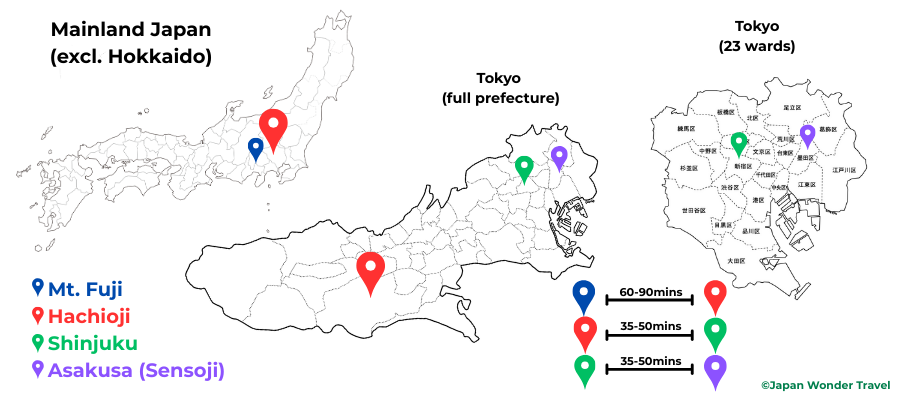
Where is Hachioji?
Comment from the Author
I studied abroad in Japan in 2014 at Kogakuin Daigaku, and spent 3 months living in Hachioji. While a bit far from central Tokyo where I spent a lot of time, I am still very fond of my memories there. The area is peaceful, close to nature, and not unreasonably far from downtown areas. Growing up in Issaquah and Bellevue WA, USA, which was just 30 minutes by car from Seattle and had plenty of nature around, Hachioji was just like home for many reasons. For those who love options and something that is kind of downtown-adjacent, it’s a great place to stay. You’ve got pretty much everything you need, and you might even be thankful you chose not to stay in the heart of the city. Besides, it’s a great place to feel a bit more of a warm local vibe as well as a sense of discovery.
For more detailed information on Hachioji, please visit the Hachioji Convention and Visitors Association’s official website. The site expands on details we mentioned in this article, and even offers some that we just didn’t have room for above!
This project is supported by Tokyo Convention & Visitors Bureau.