There’s a quiet revolution happening in Fukui Prefecture! While Fukui remains a hidden gem for many, most travelers who visit know Katsuyama City for the dinosaurs that once roamed its valleys. But locals know it for something far more delicate: the region’s deep-rooted textile industry. Tucked between forested mountains and clear rivers, this city has spent more than a century perfecting habutae silk weaving, a craft so meticulously refined that it helped earn Fukui the nickname “Textile Kingdom of Japan” (alongside “Dinosaur Kingdom,” of course!).
That legacy continues today at places like Lacorme, a modern textile factory carrying Katsuyama’s tradition into the present by producing high-quality garments for both domestic and international brands. And now, for the first time, artisans and guides are opening their factory doors to share this world with visitors. A new guided tour invites travelers to step inside working factories, meet the craftspeople behind these world-class fabrics, and experience Katsuyama’s culture, natural beauty (and yes, dinosaurs) first-hand.
We were lucky enough to join this fascinating and fun tour, and it completely changed how we see this quiet corner of Fukui. Read along to learn all about what you can expect when you go.
Lacorme Textile Factory Tour
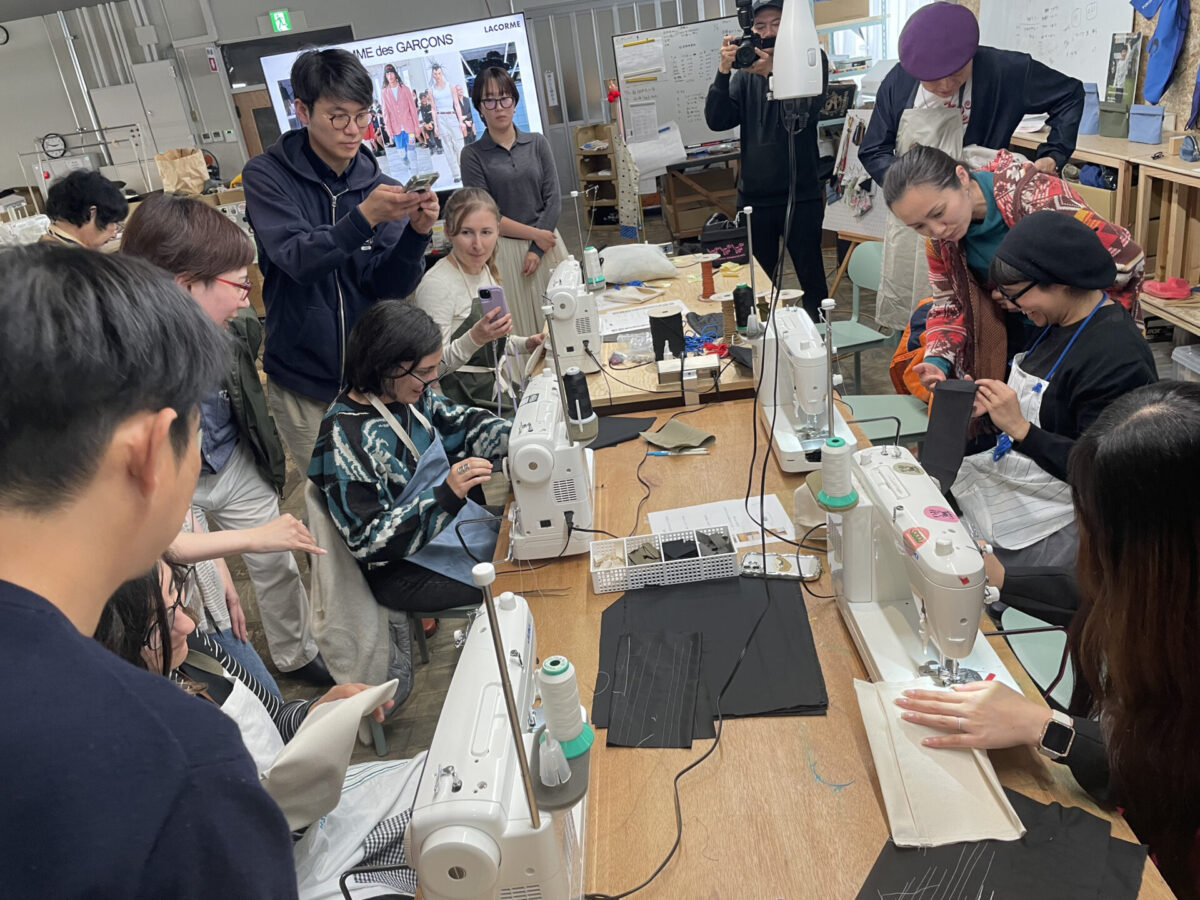
While the tour includes several stops around Katsuyama, the highlight and heart of the experience is the visit to Lacorme. This modern textile factory beautifully bridges Fukui’s centuries-old silk heritage with contemporary craftsmanship.
Founded over 80 years ago by the current president’s grandfather, the company began by producing men’s work pants to be shipped to the United States after the war. Since then, Lacorme has become one of Katsuyama’s most respected fashion manufacturers, working with leading fashion brands from both Japan and overseas creating garments for leading Japanese and international brands. Their company motto, “Enjoy dreaming,” feels fitting because stepping inside the factory is like watching dreams take shape in thread and fabric.
During our visit, the Lacorme team welcomed us warmly and guided us through each stage of their process. They explained that every piece of clothing is crafted with three key steps: cutting, sewing, and finishing. We watched as large precision machines sliced fabric into perfect patterns, which were then moved to the sewing area where skilled hands assembled the pieces with remarkable speed and accuracy. The finishing area felt almost like an artist’s studio, with embroidery machines quietly whirring and silk screens stretched across long tables.
And then came the most memorable part: making our own original bags.
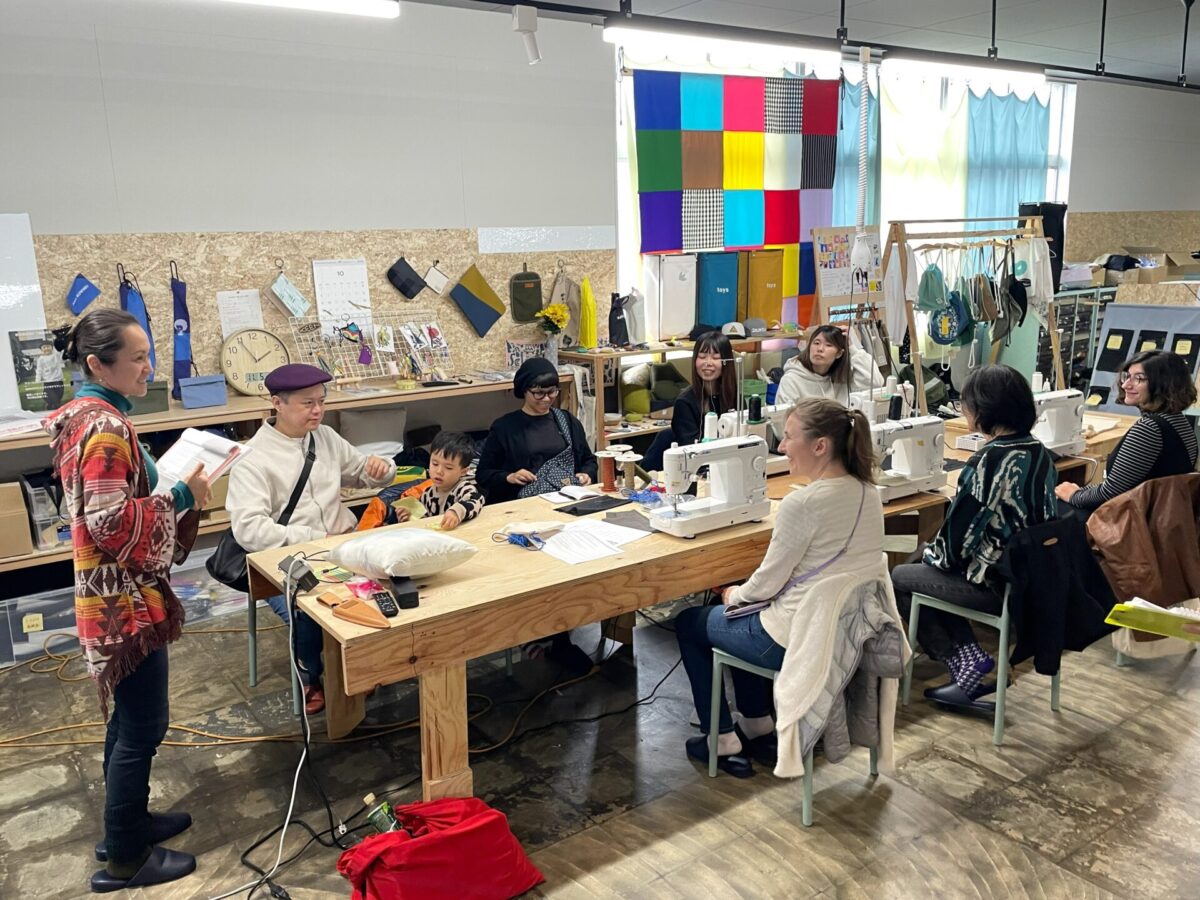
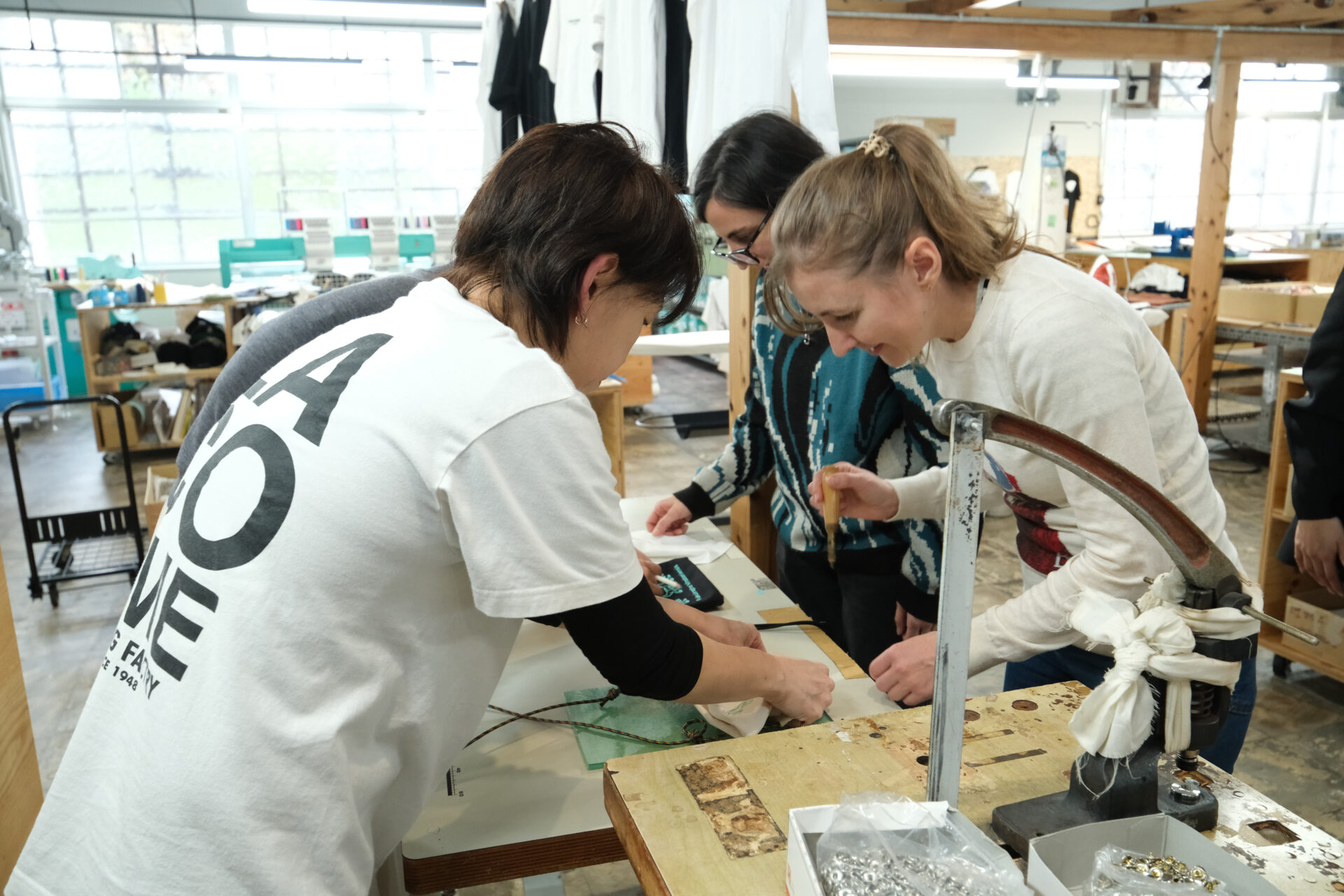
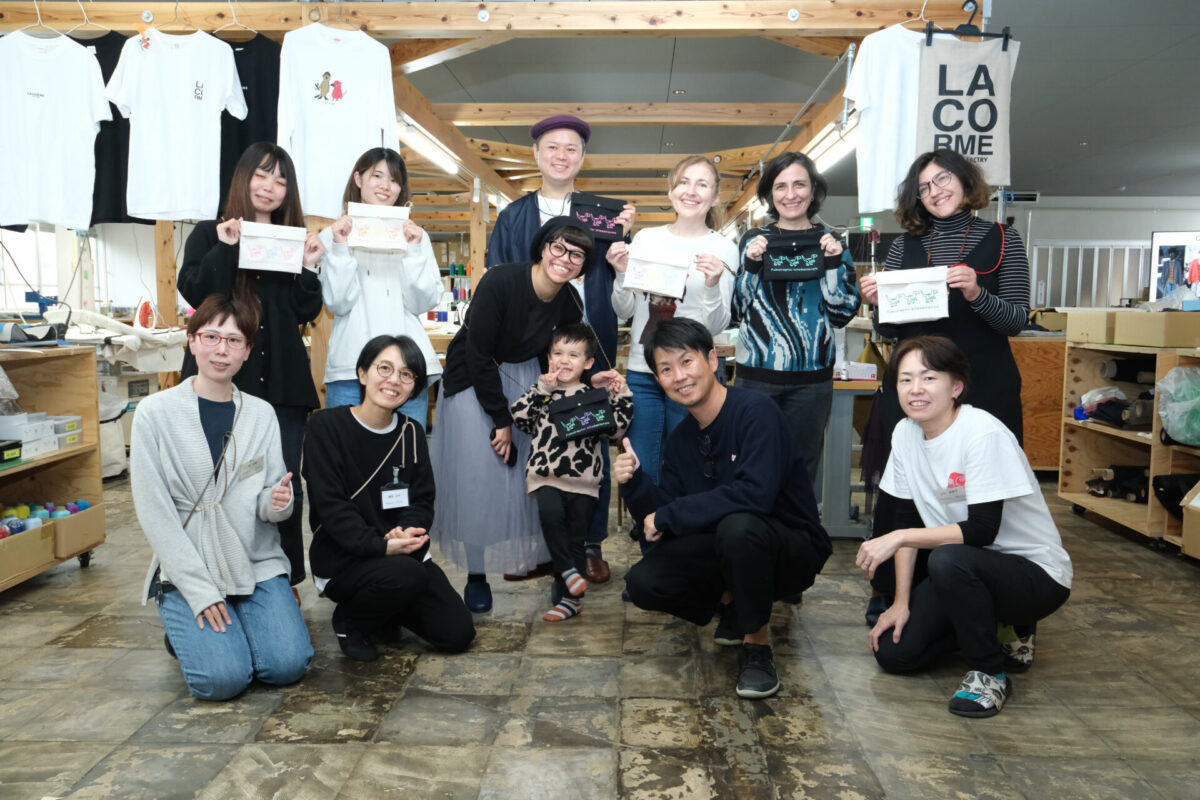
Each participant began by selecting their preferred fabric, then learned to silk-screen a design onto it, guided patiently by the Lacorme staff. From there, we moved to the sewing machines to assemble the bag, which was a step that had me a little nervous (I’m usually a disaster with sewing machines!). But the staff were so kind, encouraging, and patient that I soon got the hang of it and ended up doing far better than expected. Finally, we added the finishing touches: a strap and button to embellish our handmade creations.
Modeling my new bag, I couldn’t help but think about how much care and skill go into every stitch of the clothes we wear. Lacorme is a living example of how traditional craftsmanship continues to evolve, connecting local hands to global fashion in the most genuine way. And by the time you leave, you don’t just understand Katsuyama’s textile legacy, you’ve become part of it.

Exploring Katsuyama’s Spiritual and Scenic Side
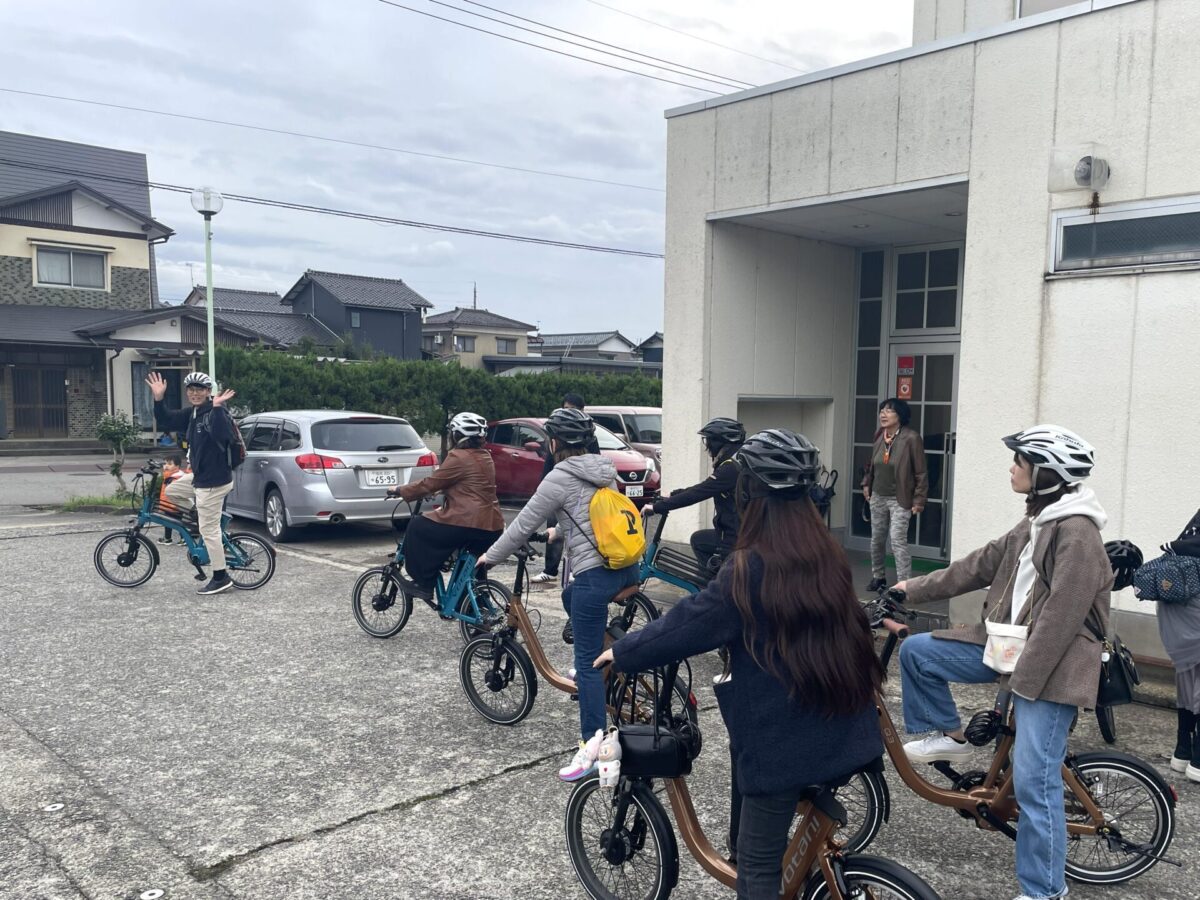
Beyond its workshops and factories, Katsuyama reveals a softer side; one shaped by forest air, temple bells, and slow, scenic roads best explored on two wheels. Our group used e-bikes to travel between stops, gliding past rice fields and quiet rivers as the surrounding mountains came in and out of view. It’s a peaceful and refreshing way to experience the city and the kind of travel that lets you truly feel Fukui’s countryside pace.
Heisenji Hakusan Shrine
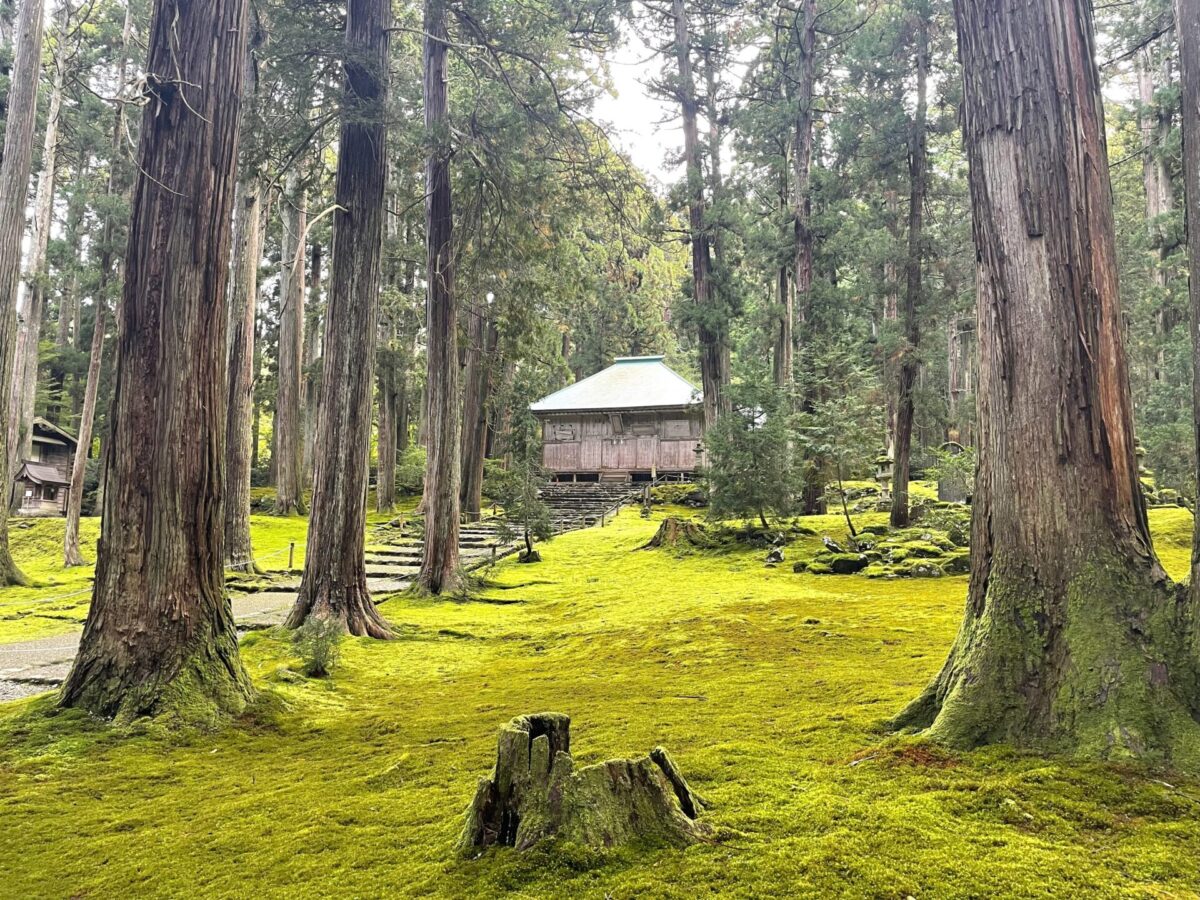
In the early morning, we visited Heisenji Hakusan Shrine, a serene complex tucked high in a cedar forest. The path leading to the shrine is lined with moss-covered stones and soft rays of sunlight filtering through the trees, giving the entire landscape a dreamlike glow. It’s said that in the year 717, the monk Taichō Daishi stopped by a pond here and was visited by the goddess of Mount Hakusan (Izanami-no-Mikoto, the Shinto goddess of creation, also known as Myōri Daigongen), who urged him to climb the sacred mountain. This remains a legend that seems to linger in the air here. This walk was so refreshing and beautiful–better than any morning coffee.
Daishiyama Seisuiji Temple & Echizen Daibutsu
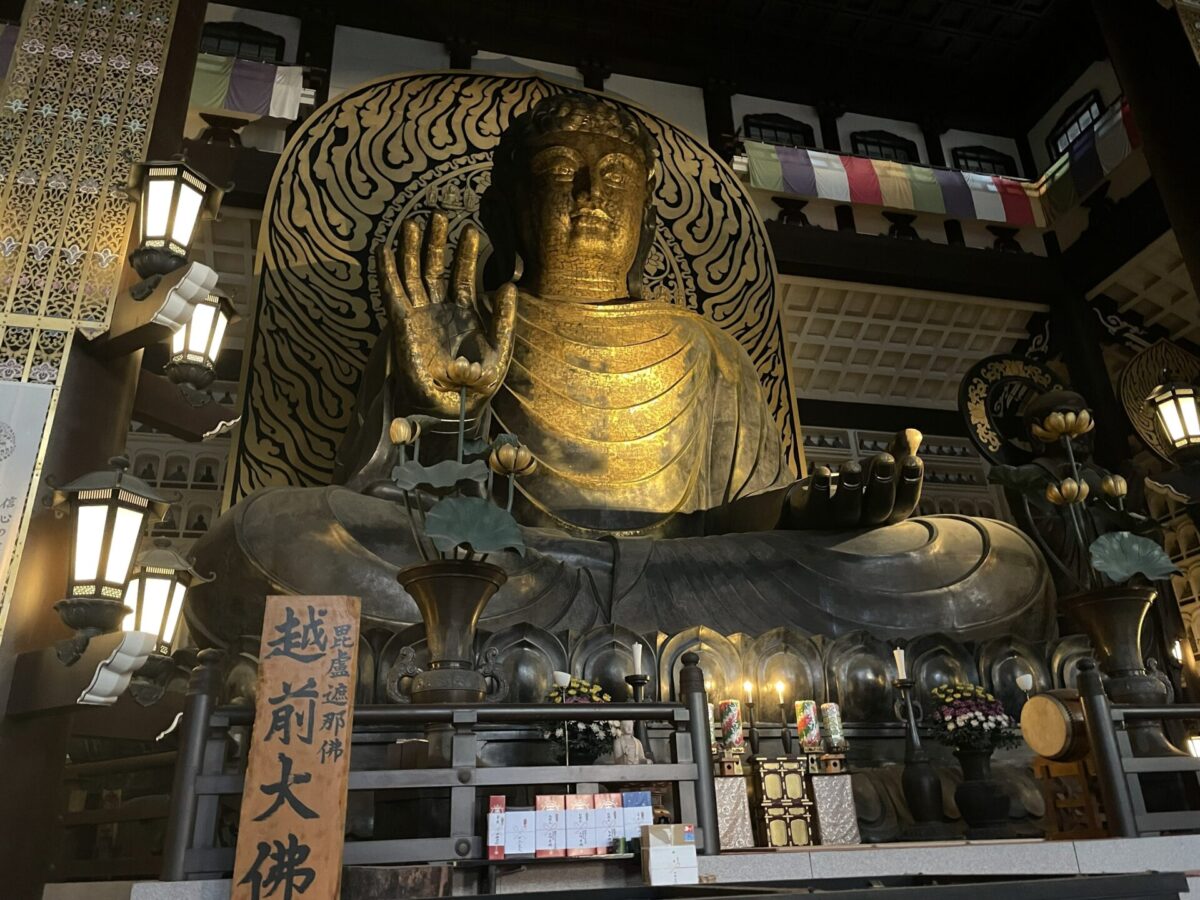
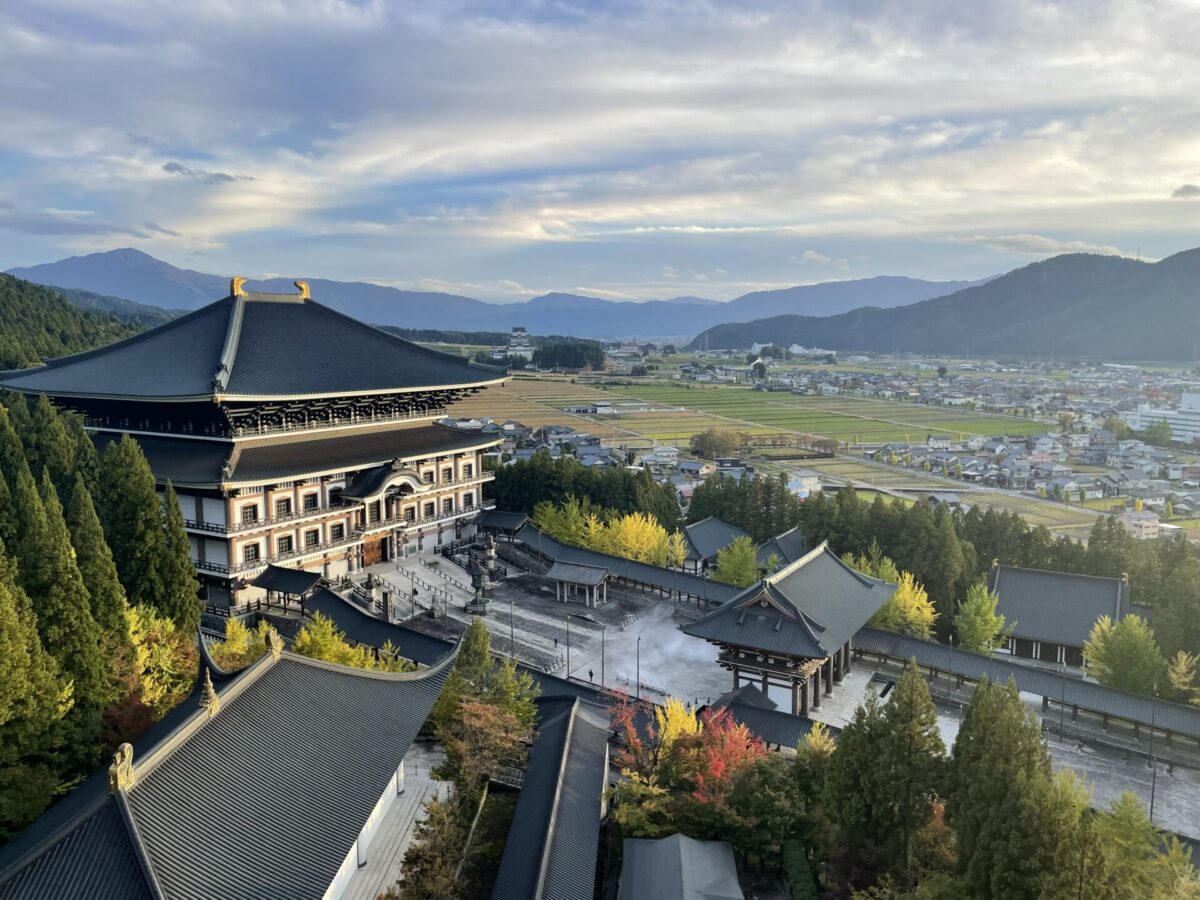
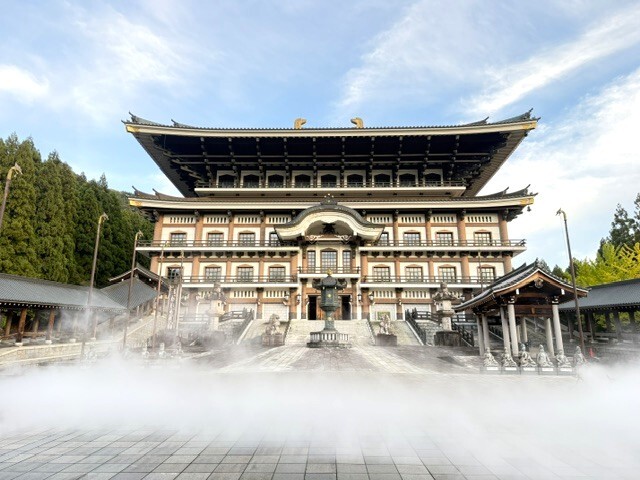
We also visited Echizen Daibutsu at Daishiyama Seidaiji Temple, home to a stunning 5-story pagoda and one of Japan’s largest sitting Buddha statues. Inside the vast temple hall, the golden statue gleamed softly in the light, surrounded by rows of smaller Buddhas. The sense of scale is a breathtaking reminder that Katsuyama’s spirit of craftsmanship also extends to its devotion and places of worship.
Higashino Tokichi Orimono
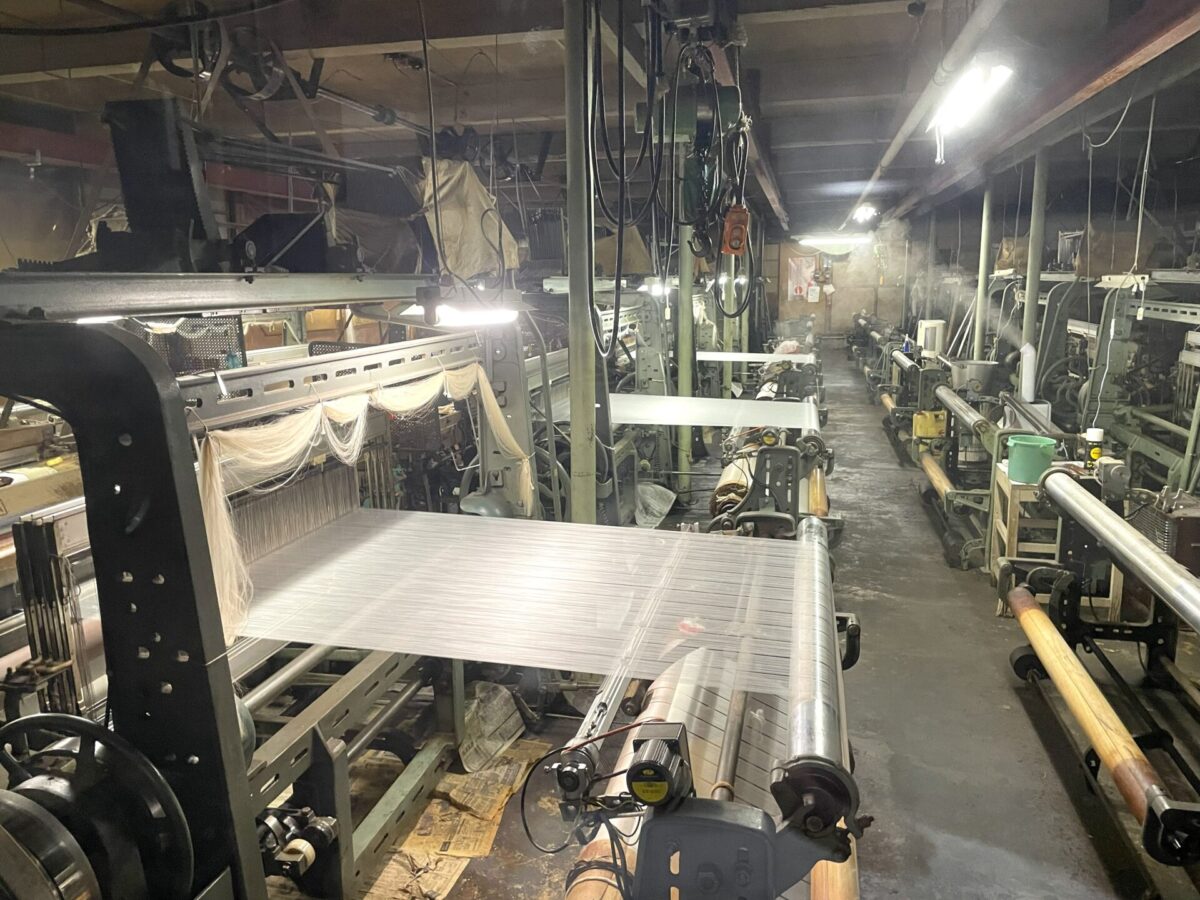
To complete the cultural side of Katsuyama’s story, we also visited Higashino Tokichi Orimono, a family-run silk workshop that has been operating for more than a century. Founded in 1907, the workshop still uses its original looms and motor to create exquisite habutae silk fabrics. The artisan here continues to uphold the traditional Nureyoko Habutae weaving method, a technique made possible by Fukui’s naturally humid, seasonally shifting climate. This process gives the silk its signature smoothness and sheen, qualities prized for generations in luxury kimono linings sold in major department stores across Japan.
Fukui Prefectural Dinosaur Museum
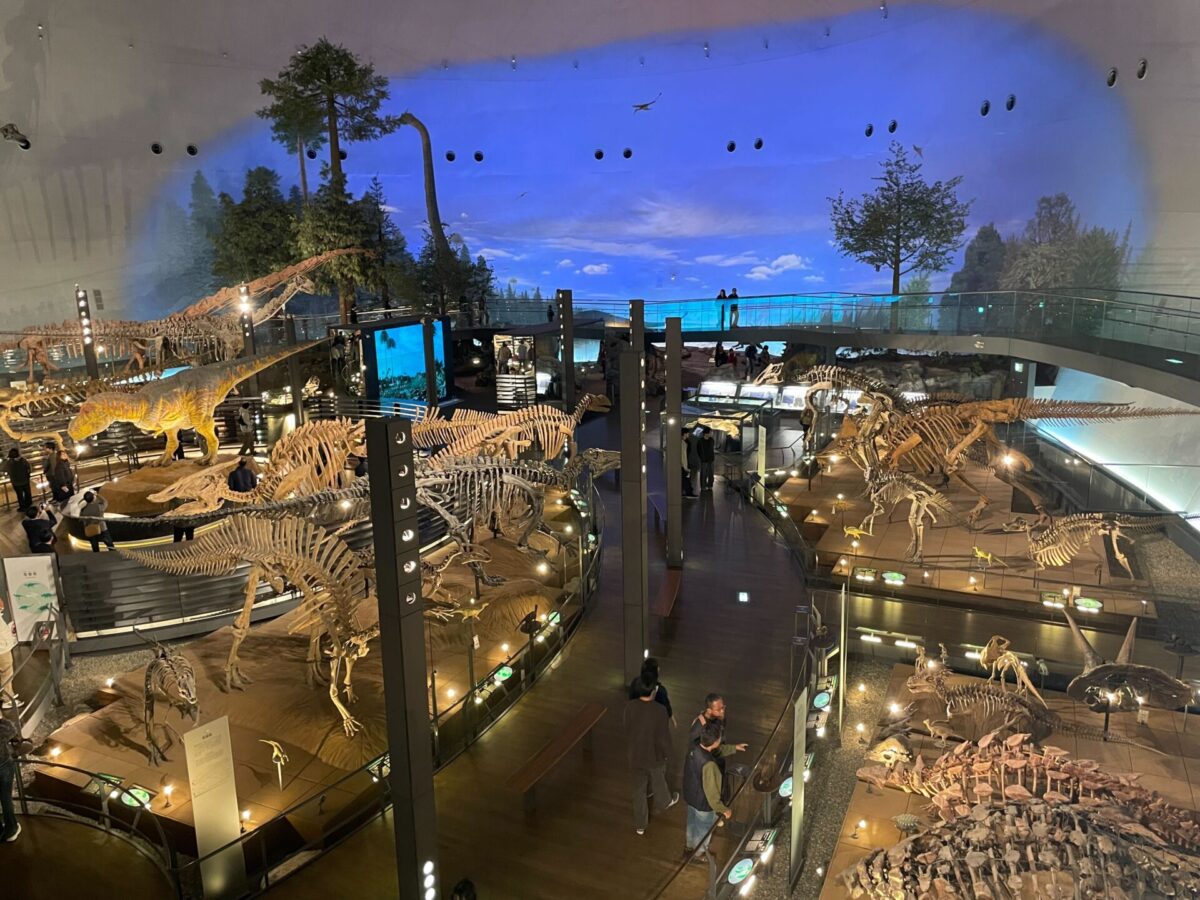
Of course, no visit to Katsuyama would be complete without meeting its most famous residents: the dinosaurs. The Fukui Prefectural Dinosaur Museum is not only one of Japan’s most impressive museums, but also one of the leading dinosaur research centers in the world. Over 900,000 visitors come each year to stand beneath towering skeletons and full-scale reconstructions of species discovered right here in Fukui, including the Fukuiraptor and Fukuisaurus.
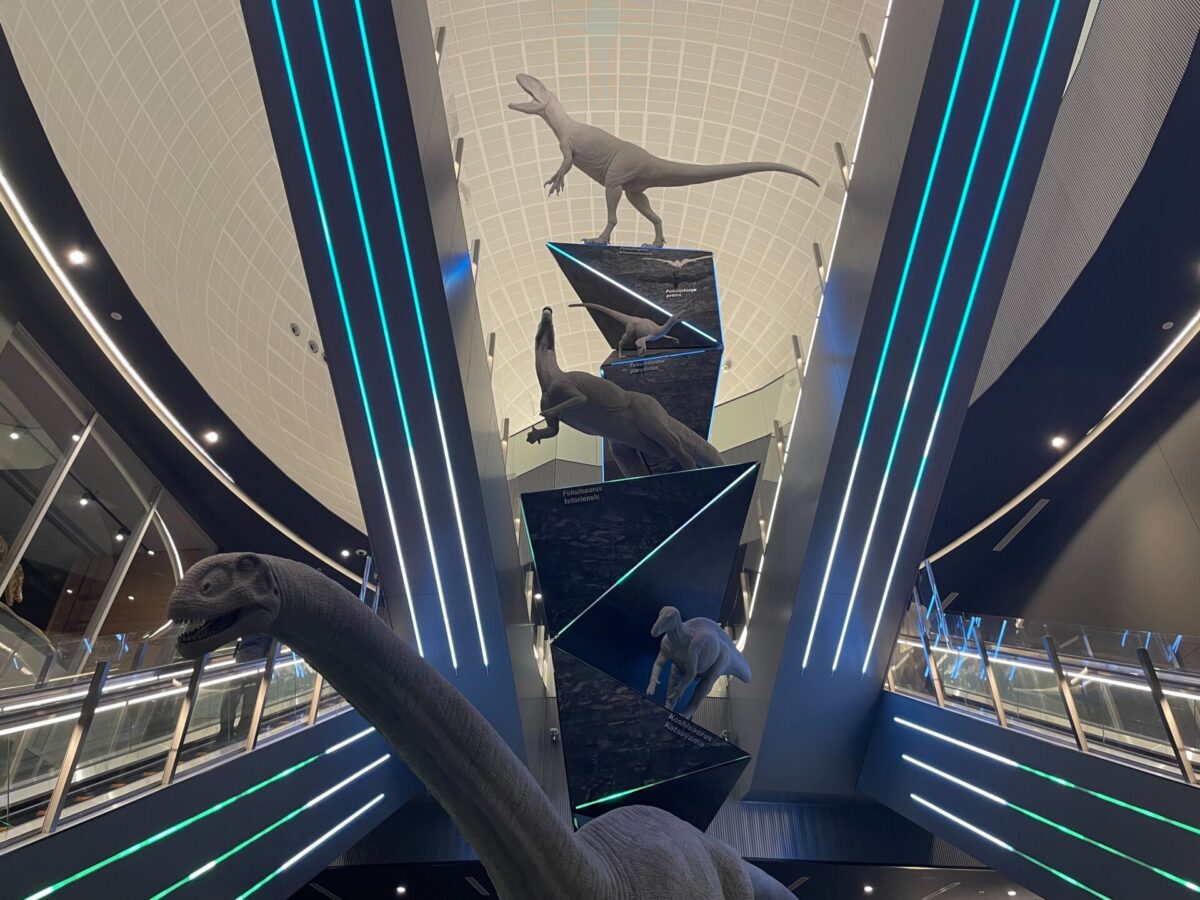
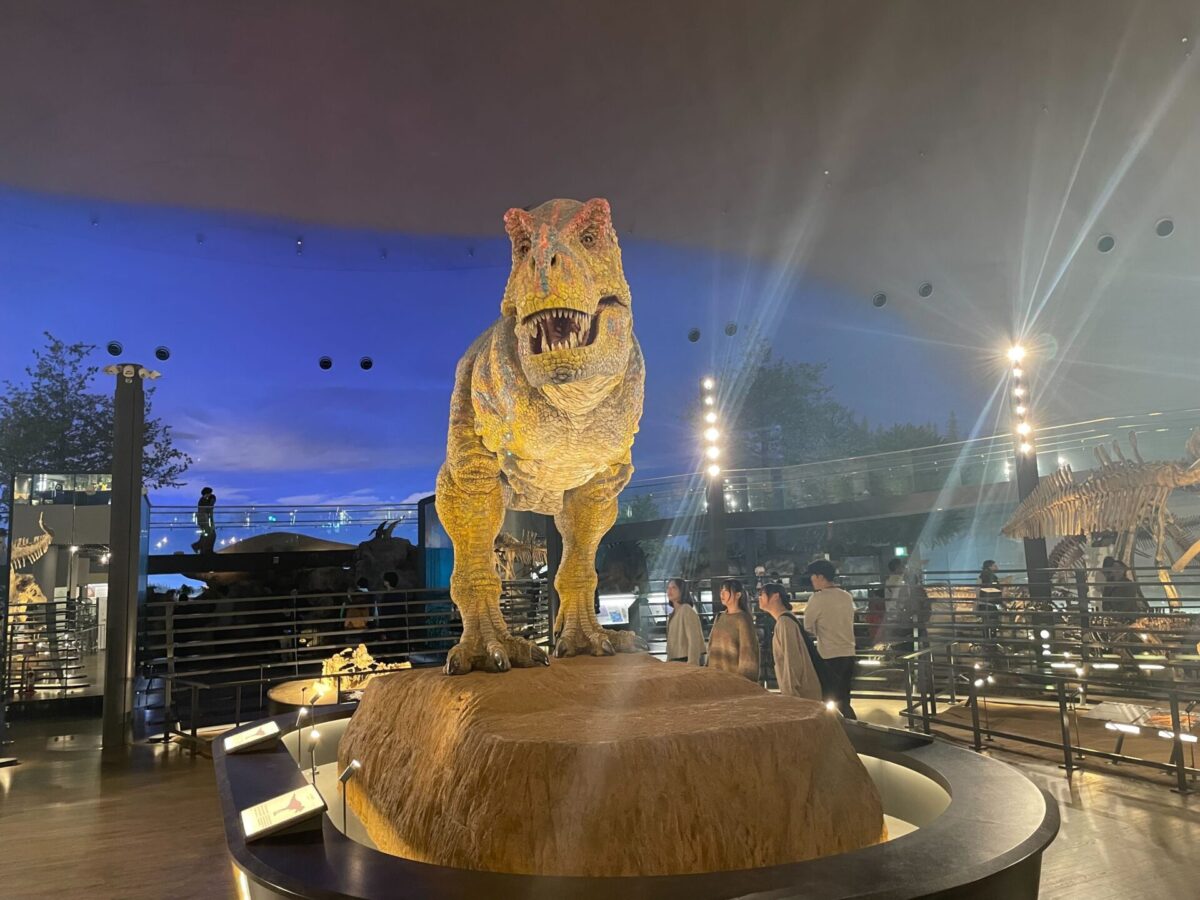
Inside, the exhibits are so immersive that it’s easy to imagine the forests of prehistoric Japan trembling under the steps of these ancient giants. It’s no wonder the museum draws visitors from all over the world and gives Fukui its most recognizable nickname: the Dinosaur Kingdom of Japan.
Stay, Taste, and Experience Local Life
With two days spent exploring temples, workshops, and prehistoric wonders, there’s no better way to experience Katsuyama than by simply slowing down and staying a while. We stayed at the Katsuyama New Hotel, a comfortable base with welcoming staff, cozy rooms, and a relaxing onsen-style bath, which was the perfect spot to unwind after a day of e-biking and sightseeing.
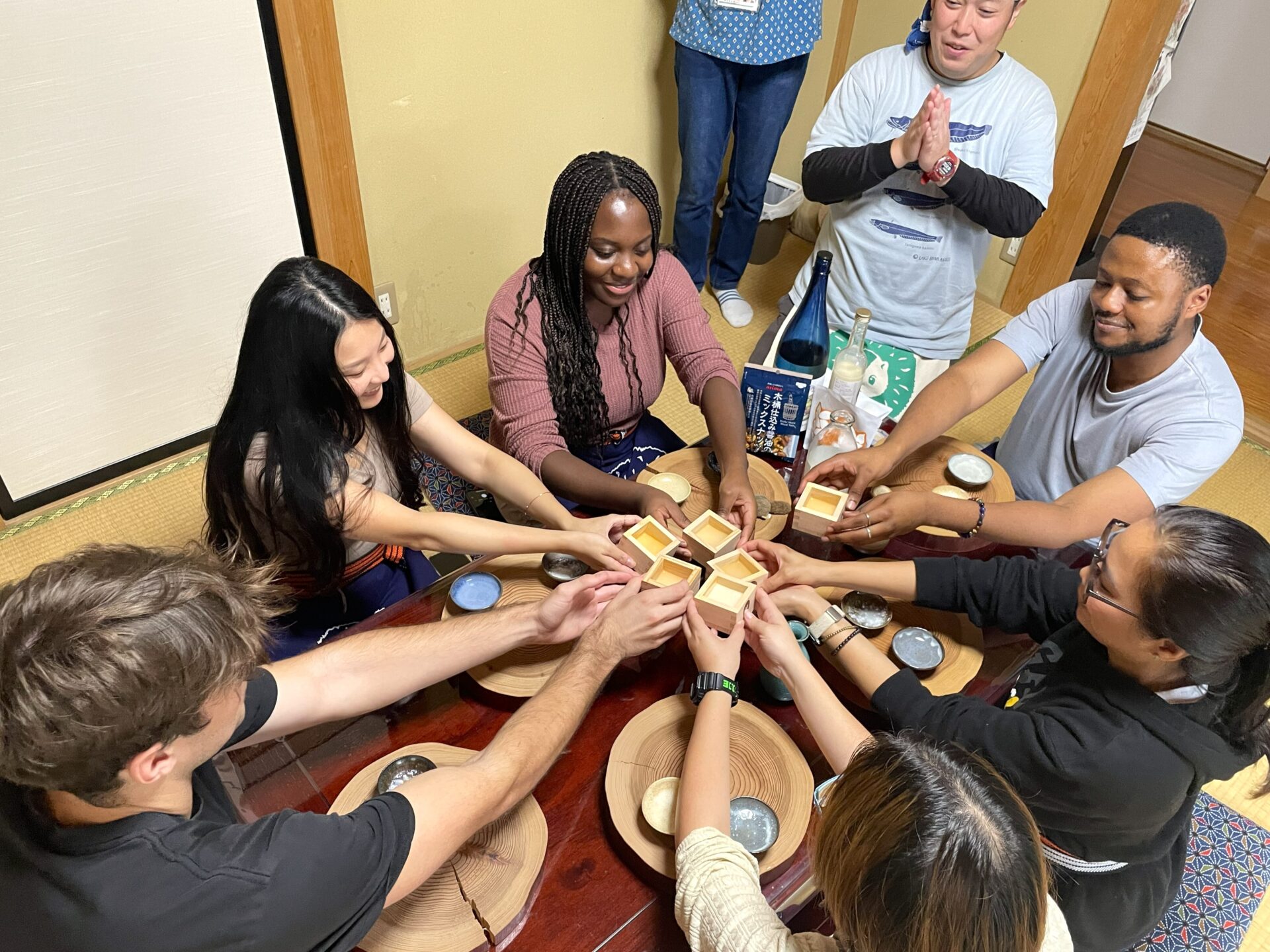
Meals in Katsuyama reflect the same easy rhythm as the surrounding area itself. Fresh soba noodles made from local buckwheat, mountain vegetables, and grilled river fish are all regional staples, best enjoyed slowly with Fukui’s local sake. We also couldn’t leave without trying Katsuyama katsudon, the city’s take on Japan’s classic pork or chicken cutlet rice bowl. Instead of the usual egg topping, thin cutlets are fried, dipped in a sweet or savory sauce, and served simply over rice for a hearty, comforting, and perfectly balanced meal after a day outdoors.
As evening settles in, Katsuyama grows quiet. The streets empty, the air cools, and the mountains disappear in the dark. There isn’t much, or any, nightlife here, but that’s part of its charm. After a full day of exploring, it feels good to slow down, grab a warm meal, or take one last soak in the bath before turning in.
How to Get To and Around Katsuyama City
Katsuyama City is located in northern Fukui Prefecture and is easy to reach by train or car. From JR Fukui Station, take the Echizen Railway Katsuyama Eiheiji Line to Katsuyama Station. The ride takes just about an hour and winds through some of Fukui’s prettiest countryside.
With the recent Hokuriku Shinkansen extension, Fukui is now directly connected to Tokyo in just over three hours, and access from Kyoto, Osaka, and Kanazawa is just as convenient. For those driving, the Chubu-Jukan Expressway provides a scenic and direct route straight into the city.
Once you arrive, getting around is simple. E-bikes are available for rent near the station which make it easy to explore the area’s temples, museums, and factories.
Why This Tour Matters
Katsuyama may be best known for its dinosaurs, but it’s the city’s creativity, craftsmanship, and calm pace that stay with you long after you leave. From the soft shimmer of silk at Lacorme to the mossy paths of Heisenji Hakusan Shrine, every part of this humble city feels connected by care and tradition.
If you’re planning a trip to Fukui (and you really should!), set aside a little extra time for this tour. The new guided textile and cultural tour brings those stories together in a way that’s easy, hands-on, and deeply rewarding. It’s the perfect chance to dig into Japan a little deeper and see how Katsuyama’s history, nature, and crafts still shape daily life. Whether you’re sewing high-fashion at Lacorme, cycling through quiet backroads, or standing beneath the gaze of the Echizen Daibutsu, this experience offers something rare: a genuine look at rural Japan’s artistry and heart.