- Discover Nature, History, and Adventure, All Within Easy Reach of Tokyo
- Morning: Mt. Takao Hiking & Spiritual Experience
- Hike Takao the best way Possible: Takao FAQ
- Optional Stops You Won’t Want to Miss
Discover Nature, History, and Adventure, All Within Easy Reach of Tokyo
Using Hachioji as your travel base opens up a world of adventure just outside Tokyo. Surrounded by mountains, forests, and historical sites, it’s an excellent hub for exploring western Tokyo and nearby natural attractions. This two-day model itinerary highlights the strengths of Hachioji’s surroundings: a mix of hiking, history, scenic lakes, and Mt. Fuji; perfect for travelers who want to balance exploration and relaxation.
Day 1: Mt. Takao, Lake Sagami, Traditional Lunch, and more
Embark on an unforgettable journey from Hachioji, blending the serenity of nature with profound cultural experiences. This guide will help you discover moments of tranquil lakeside relaxation. Expect to find a comprehensive itinerary that emphasizes the best of Hachioji’s natural beauty and cultural heritage.
Morning: Mt. Takao Hiking & Spiritual Experience
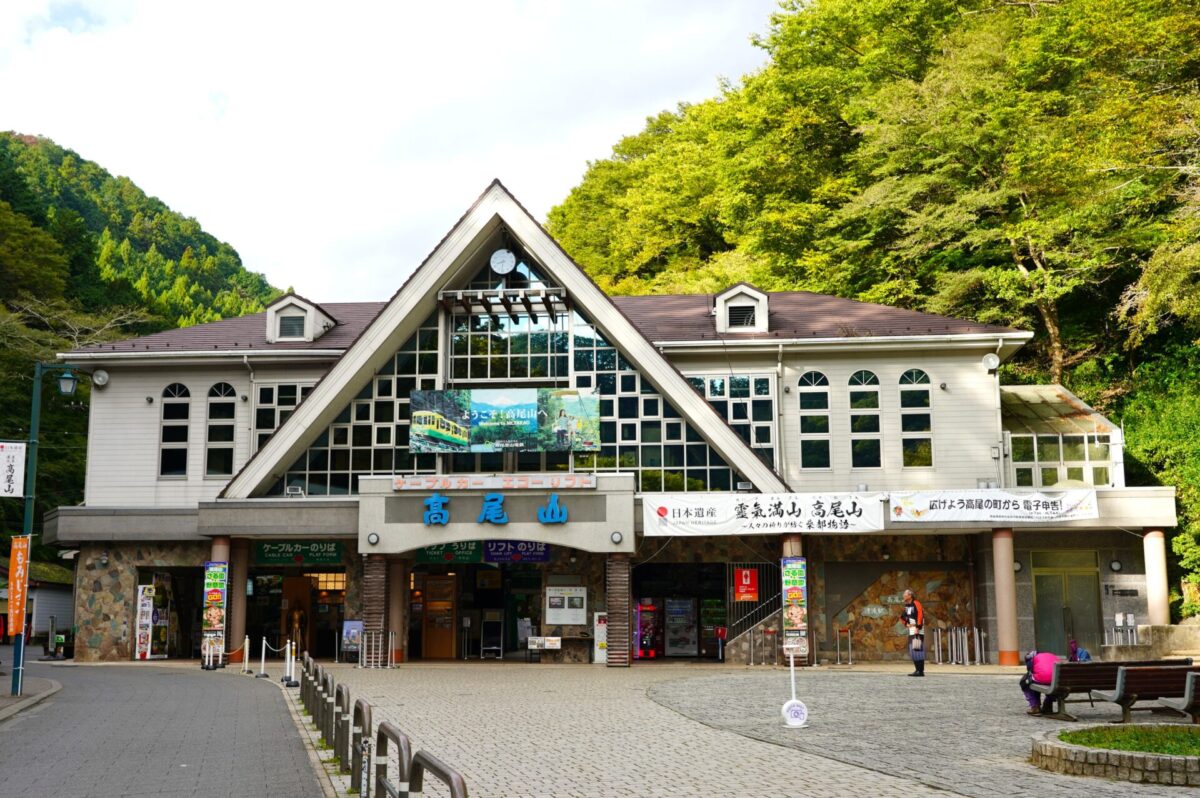
8:00 AM – 8:20 AM: Travel to Mt. Takao
From Hachioji Station, take the JR Chuo Line to Takao station, then transfer to the Takao line until Takaosanguchi Station (approx. 20 min, ¥307).
8:30 AM – 12:00 PM: Mt. Takao Hiking & Exploration
Mt. Takao (高尾山) is one of Tokyo’s most popular nature escapes and offers several trails ranging from easy forest walks to more challenging hikes. Escape the city bustle and discover breathtaking views, lush greenery, and a spiritual journey all in one incredible day trip. For those who’d prefer a more relaxed journey, take the 6 minute cable car up to the summit (¥490 one way for adults and ¥250 for children, or ¥980 round trip for adults and ¥500 for children).
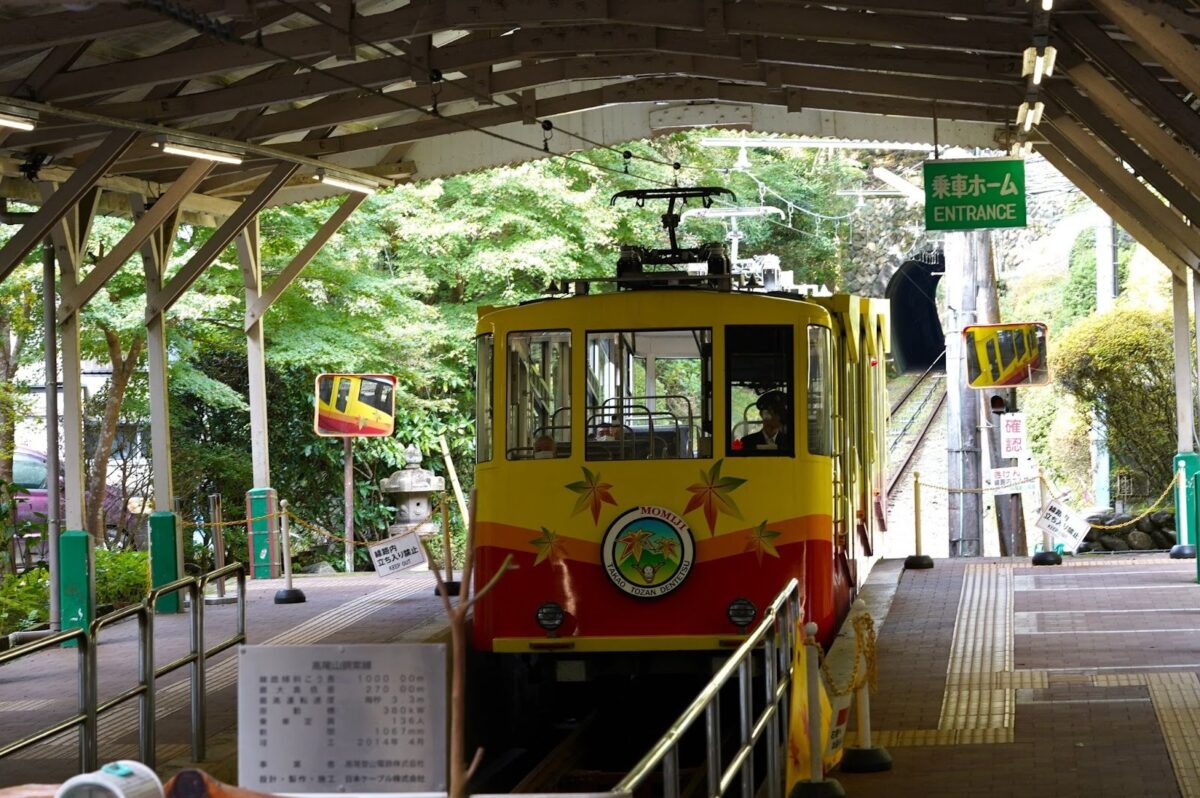
Things you can enjoy on your way:
Takao Monkey Park and Wild Plant Garden: (Open 9:30 AM – 4:30 PM, Admission: ¥500) See Japanese macaques up close and learn about their habits. Get ready for an adorable encounter with these playful creatures and witness their fascinating social dynamics. Their busy season is in Autumn and their prices may rise during this time period, so be sure to check their website for official details.
Takao-san Yakuo-in Temple: A serene Buddhist temple nestled in the forest about a 20-30 minute hike from the summit on trail number 1. Witness monks chanting and praying while lighting gomagi (prayer sticks) on fire (various times throughout the day, free to observe, specific prayer sticks for purchase). Immerse yourself in the tranquility of this ancient temple and experience a truly unique spiritual ceremony.
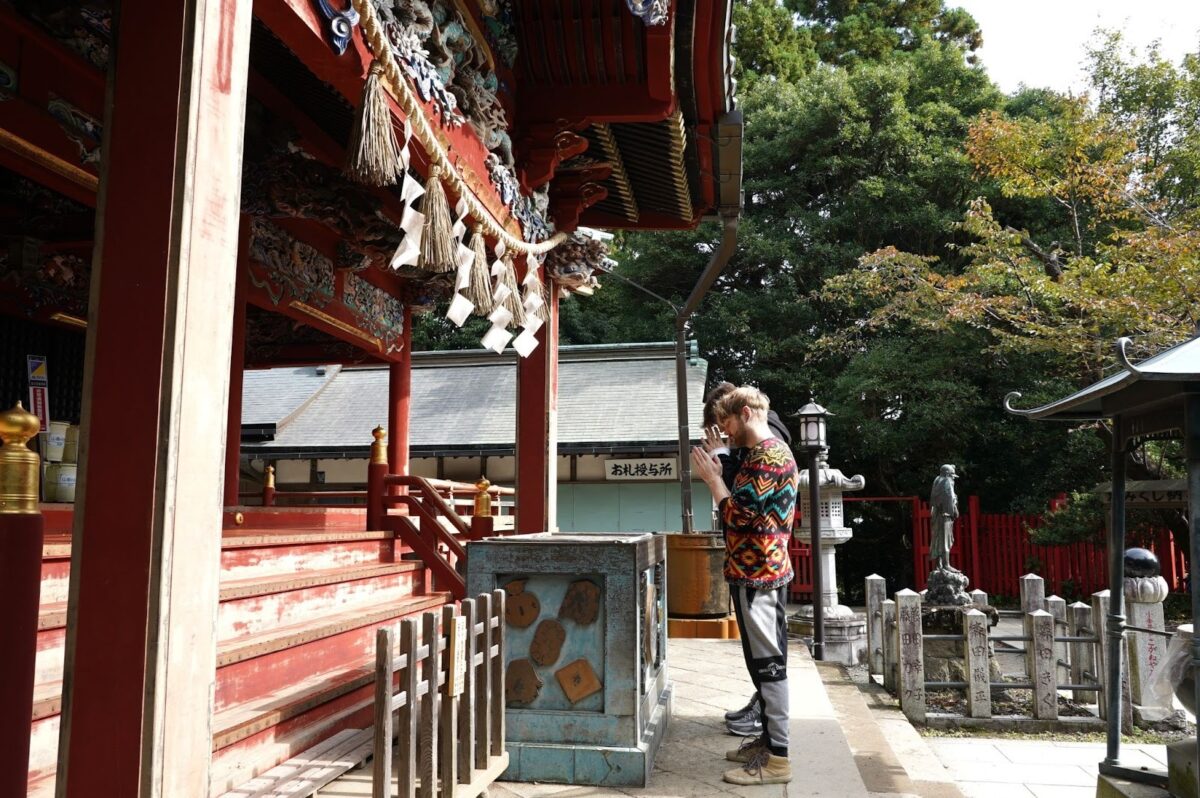
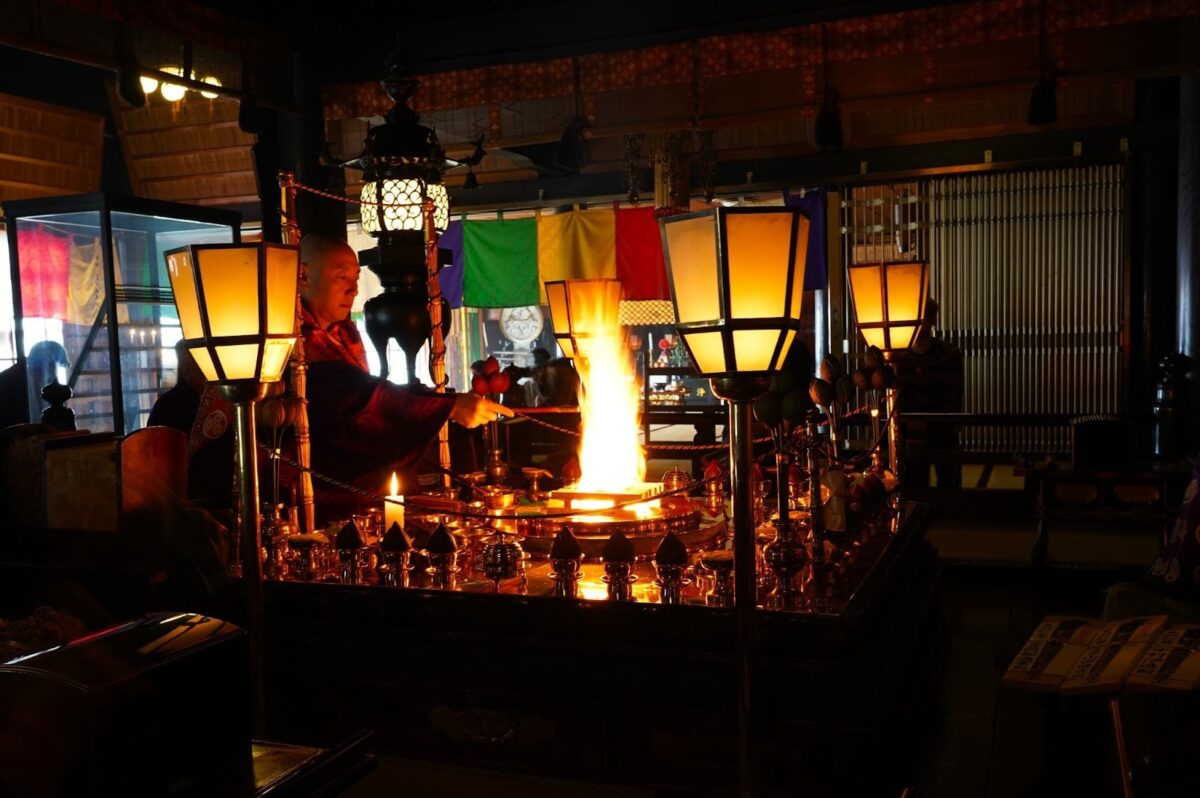
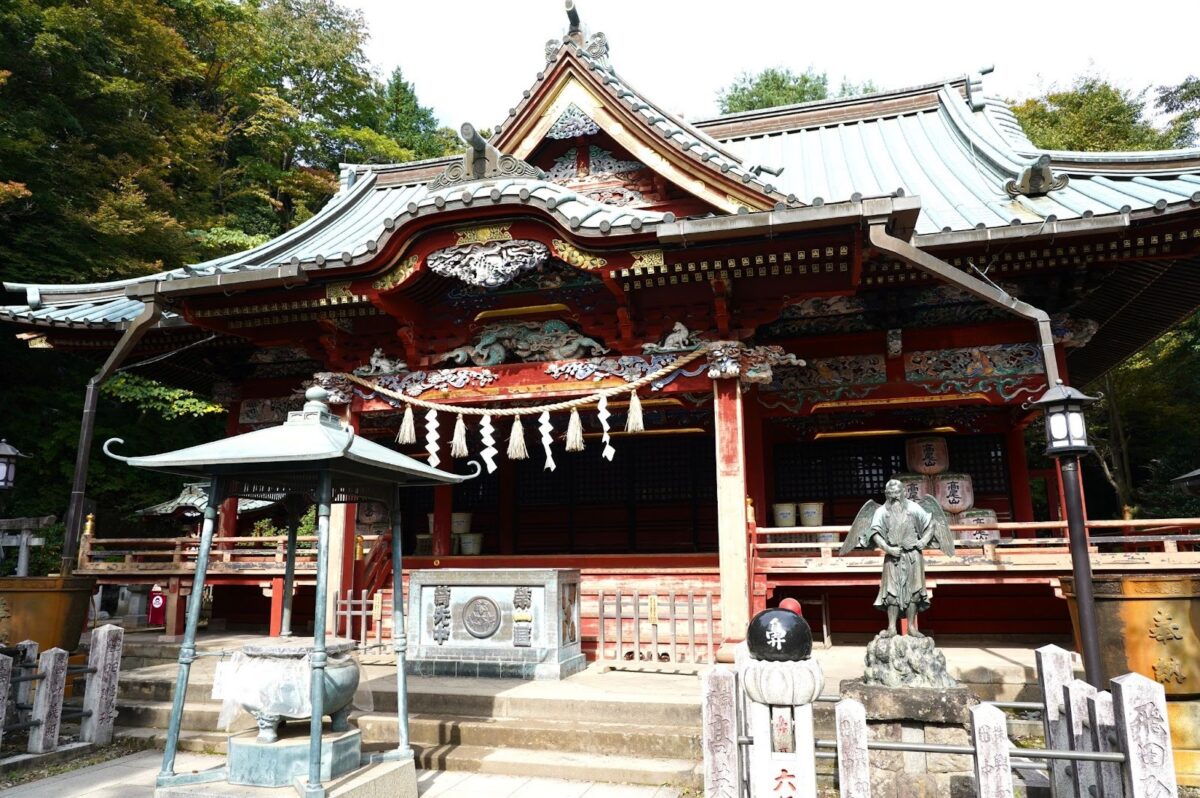
Momiji-Dai: A lush area especially beautiful in autumn, about 10 minutes from the summit. To get there from the summit, follow the clearly marked trail leading downwards. The trail is well maintained, so even beginners can walk safely. Prepare to be enchanted by a dazzling display of fiery red and golden leaves, creating a picture-perfect backdrop for your autumn adventure.
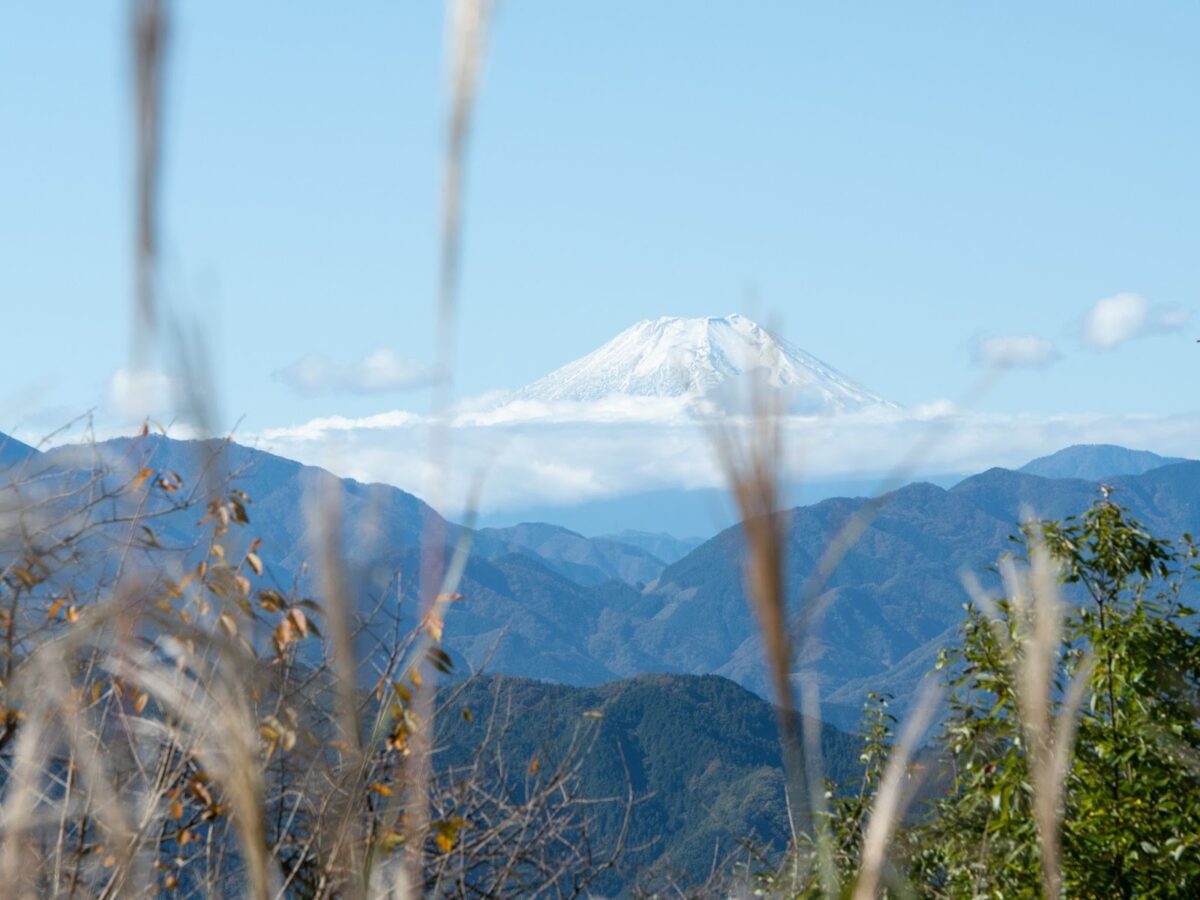
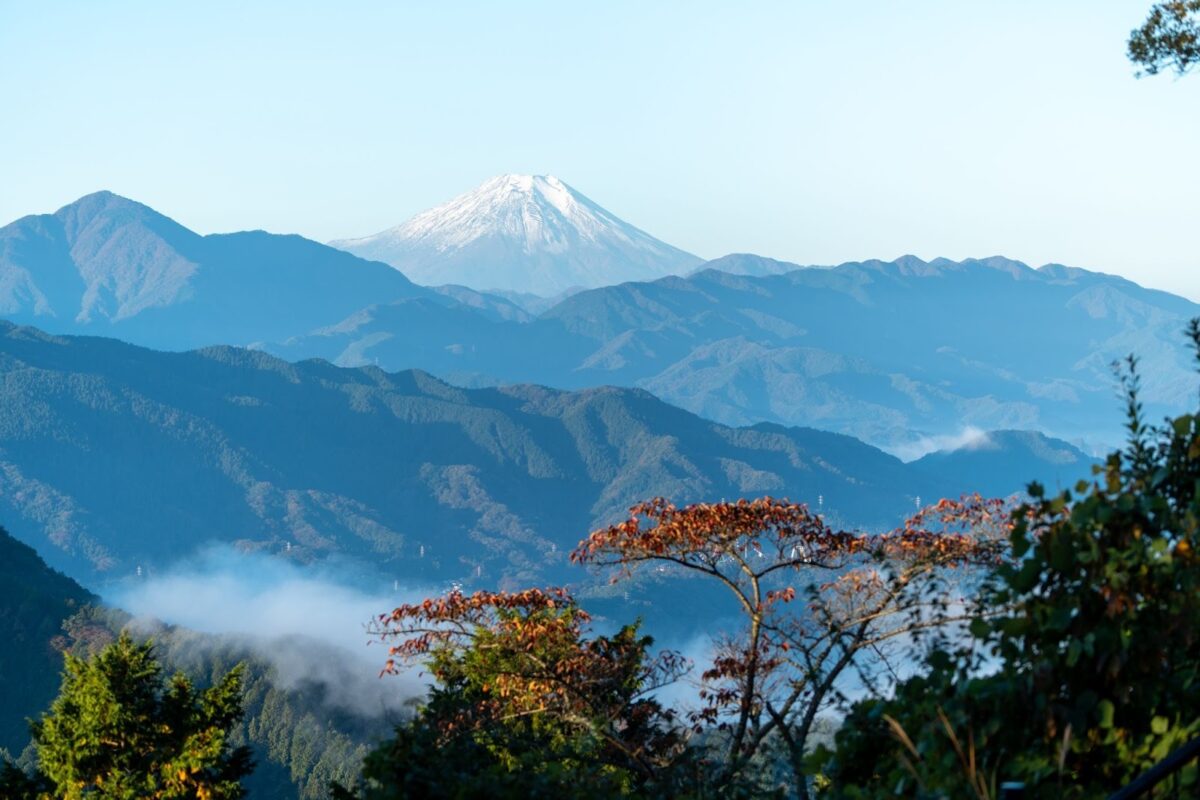
Observation Deck at the peak: On clear days, you can see Mt. Fuji in the distance. Reach the peak at nearly 600m above sea level and be rewarded with panoramic vistas that stretch for miles, offering a spectacular glimpse of Japan’s iconic sacred mountain.
- You’ll also be able to see downtown areas such as Shinjuku in the distance.
- There are a few shops as well as a soba restaurant if you’d like some refreshments!
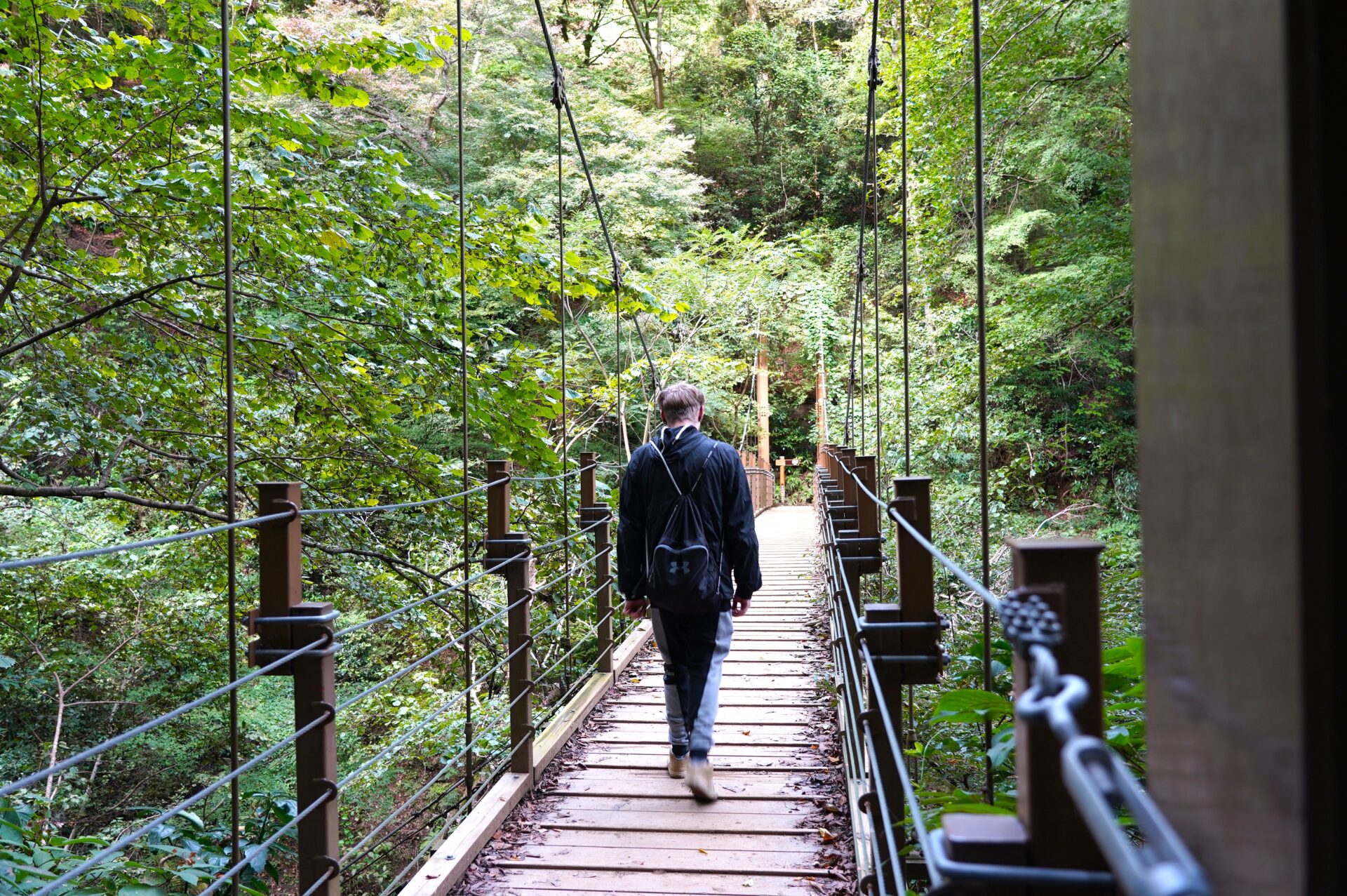
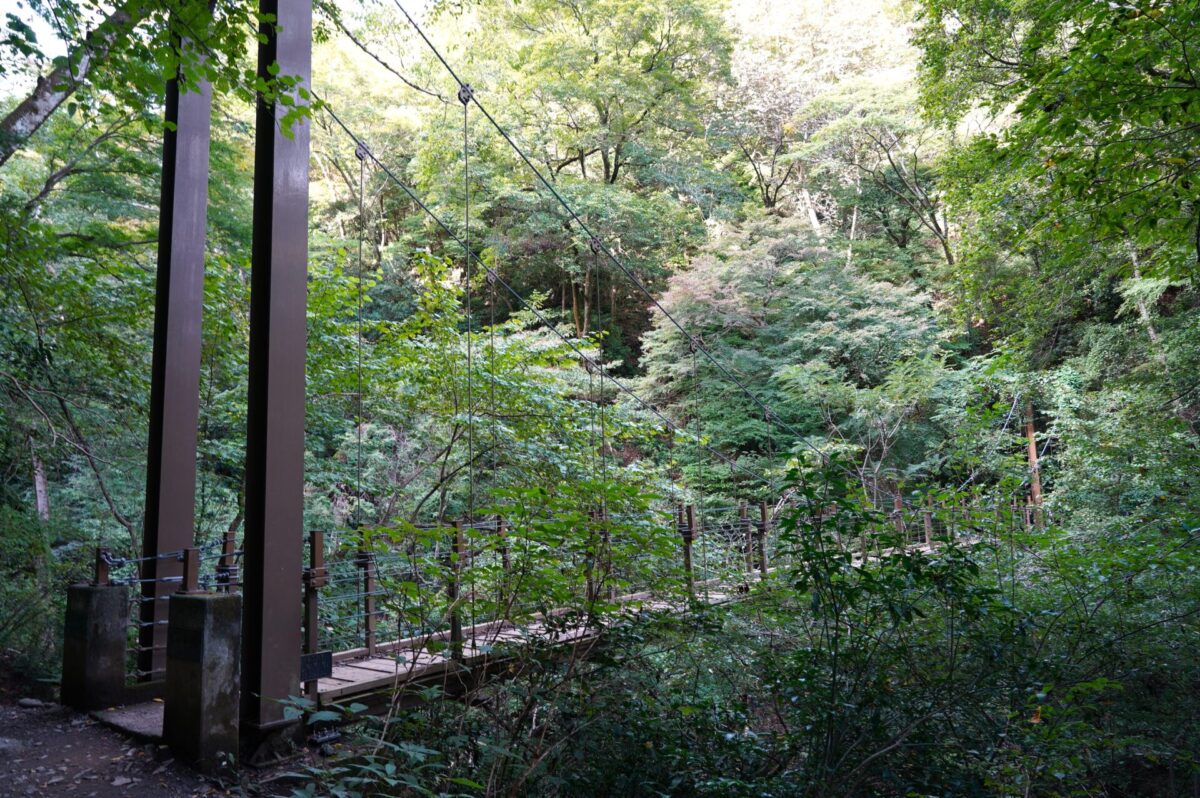
Suspension bridge: One of Takao’s most picturesque spots. Brave the (slightly) swaying bridge for an exhilarating experience and capture stunning photos of the surrounding natural beauty. From the summit, follow the main trail towards the cable car station. The suspension bridge is a short detour located off this path, clearly marked with signs.
For more details about Takao’s temple culture and other traditional opportunities, see this article!
Hike Takao the best way Possible: Takao FAQ
Q: Where does the hike start?
A: Most visitors start from Takaosanguchi Station on the Keio Line, located right at the mountain’s base. From there, you can either hike from the bottom or take the cable car or chair lift up halfway to the upper station (near the middle of Trail 1). Both offer scenic rides through the forest and save you some energy for the summit.
Q: What trails can I take?
A: Mount Takao has eight official hiking trails, each catering to different experience levels and interests:
- Trail 1: The main and most accessible route: plenty of sights including temples, food stalls, and viewpoints.
- Trail 2: A relaxing loop that lets you experience both the north and south sides of the mountain.
- Trail 3: A quiet walk through Katsura groves, ideal for a peaceful forest stroll.
- Trail 4: Features Mount Takao’s only suspension bridge, perfect for photos.
- Trail 5: A scenic loop showcasing the mountain’s oldest artificial forest.
- Trail 6: A refreshing hike along streams and lush greenery.
- Inariyama Course: A longer, full-fledged hiking experience along ridges with great views.
- Mt. Takao to Mt. Jinba Traverse: A more adventurous trail for experienced hikers, uncovering the hidden charms of Oku-Takao while connecting Mount Takao with nearby Mount Jinba.
All trails eventually lead to the summit, so you can mix and match on the way up and down depending on your pace and interests.
Q: How long does it take to reach the summit?
A: Most hikers reach the summit in 60–100 minutes depending on the trail and pace. If you take the cable car halfway, it’ll take around 45 minutes from the upper station. The return trip is usually faster. Many people spend 2–3 hours total, including time to rest, eat, and enjoy the views.
Q: What should I wear or bring?
A: Even though it’s not a huge mountain, preparation helps!
- Comfortable walking shoes or light hiking boots.
- Weather-appropriate layers: It can be cooler at the top, especially in winter.
- Water and snacks: There are vendors and vending machines, but having your own is handy.
- Cash: Some food stalls and attractions only accept cash.
- Camera or smartphone: The views and temple grounds are stunning.
Optional: Trekking poles if you prefer extra stability, especially on steeper trails.
Q: What can I see along the way?
A: Trail 1 passes through Yakuo-in Temple, a historic Buddhist temple founded over 1,200 years ago. You’ll also find tengu (long-nosed goblin) statues, small shrines, and scenic rest points. Near the summit, there’s an observation deck with views of Tokyo and Mount Fuji.
Q: Are there restaurants or food stands?
A: Yes! Mount Takao is famous for its local dishes like tengu-yaki (sweet bean-filled cakes shaped like tengu faces) and tororo soba (buckwheat noodles topped with grated yam). You’ll find restaurants and souvenir shops near the base, halfway point, and summit.
Q: Are there restrooms on the mountain?
A: Yes, restrooms are available at the station area, cable car stops, and the summit. They’re well maintained, but carrying tissues or hand sanitizer is a good idea.
Note: If you take a trail other than Trail 1, please be aware that there are no restrooms along the way on the course.
Q: Is it family-friendly?
A: Absolutely. The paved Trail 1 and the cable car make Mount Takao suitable for all ages. There’s even a monkey park and wild plant garden near the cable car’s upper station that kids love.
Q: Can I visit on a day trip from Tokyo?
A: Definitely! It’s just about 50 minutes from Shinjuku. Many visitors come for a morning or afternoon hike, and some stay nearby to visit local hot springs like Keio Takaosan Onsen Gokurakuyu after their trek.
Q: Is it safe to hike alone?
A: Yes, Mount Takao is very safe and popular with solo hikers. Trails are well-marked, and you’ll almost always encounter other visitors, especially on weekends. Just stick to official trails and start your hike before sunset.
Optional Stops You Won’t Want to Miss
Keio Takaosan Onsen Gokurakuyu: (Open 8:00 AM – 10:30 PM, Admission: ¥1,100-¥1,300) Located just next to Takaosanguchi Station. The natural hot springs are perfect for soothing tired muscles after a day of hiking.
Mid-Day: Traditional Charcoal-Grilled Lunch
1:00 PM – 3:00 PM: Lunch at Ukai Toriyama
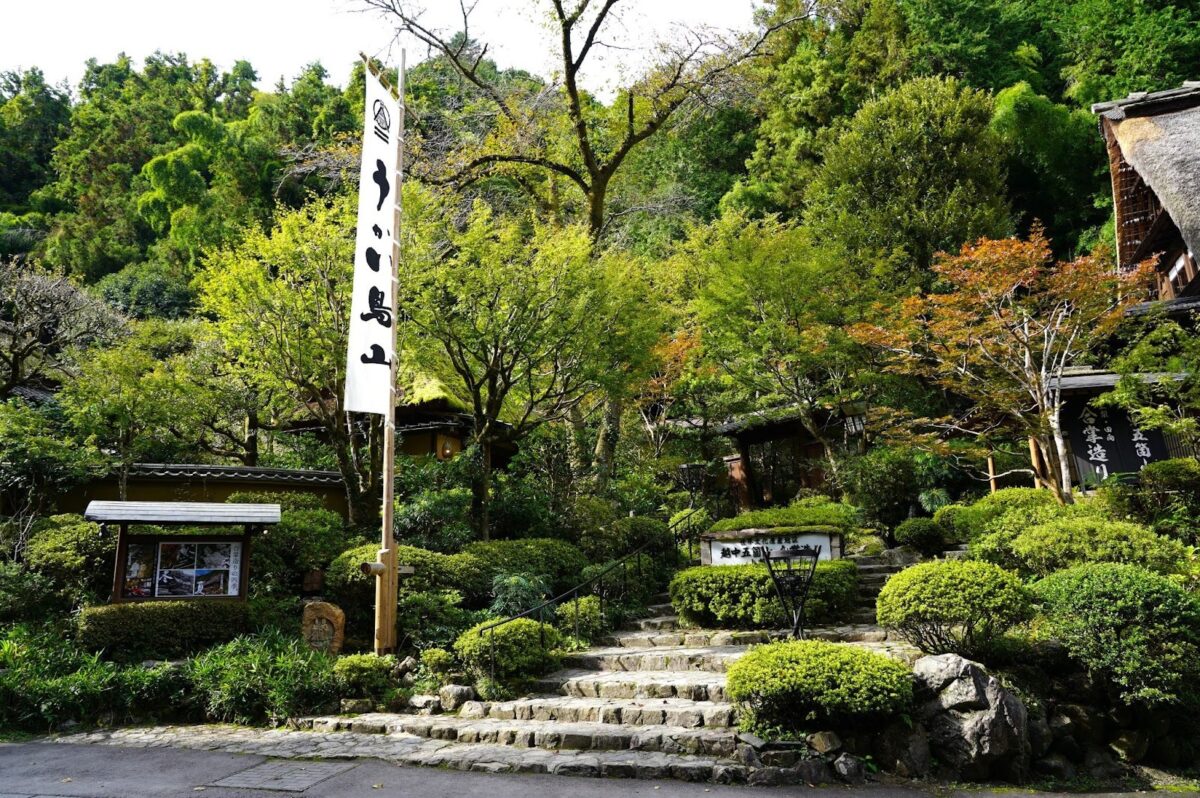
You can take a shuttle from Takaosanguchi Station to the restaurant. It runs every 20 minutes from 10:00 AM to 7:00 PM and takes about 10 minutes. There is a clearly labeled bus stop near the gate into the train station.
Ukai Toriyama: A well-known restaurant offering traditional charcoal-grilled cuisine using ingredients sourced from the nearby satoyama woodlands. (Lunch hours are typically 11:30 AM – 2:30 PM, Dinner from 5:00 PM; so try to keep this in mind when timing the onsen!) Guests dine in private tatami rooms surrounded by gardens and streams, creating a serene, authentic atmosphere worthy of a postcard.
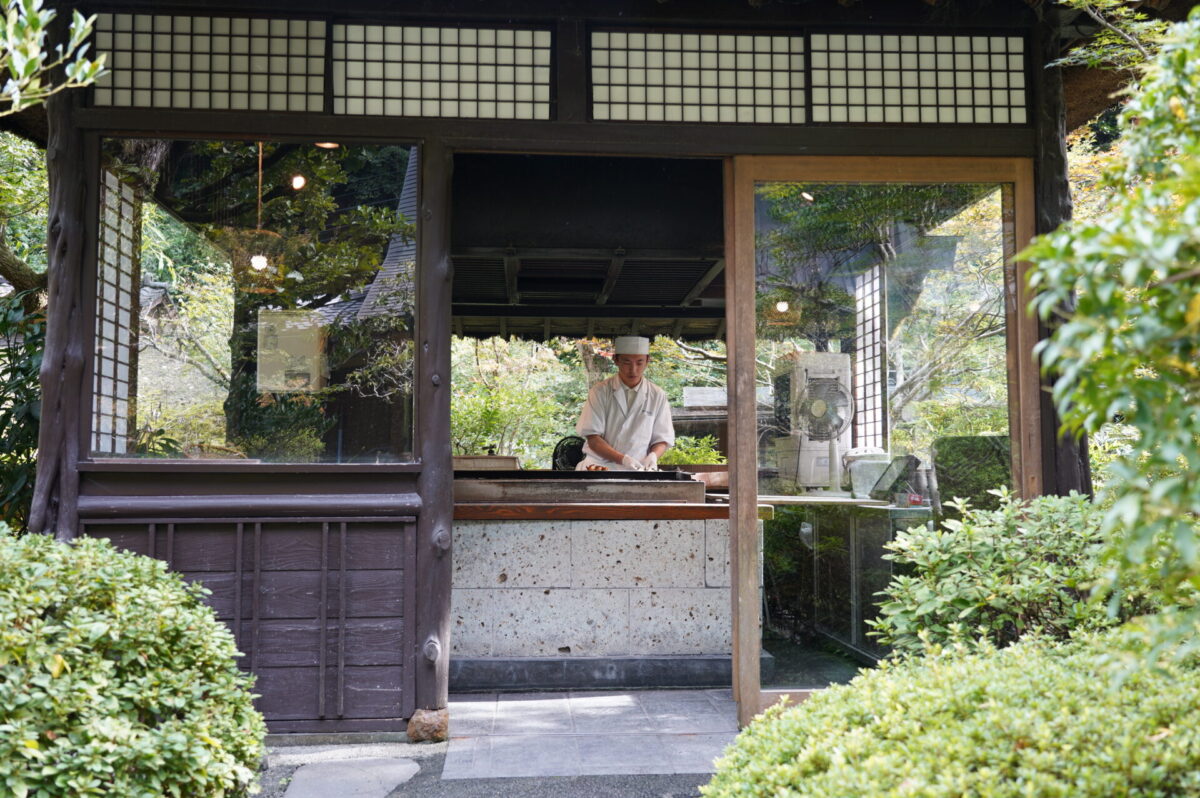
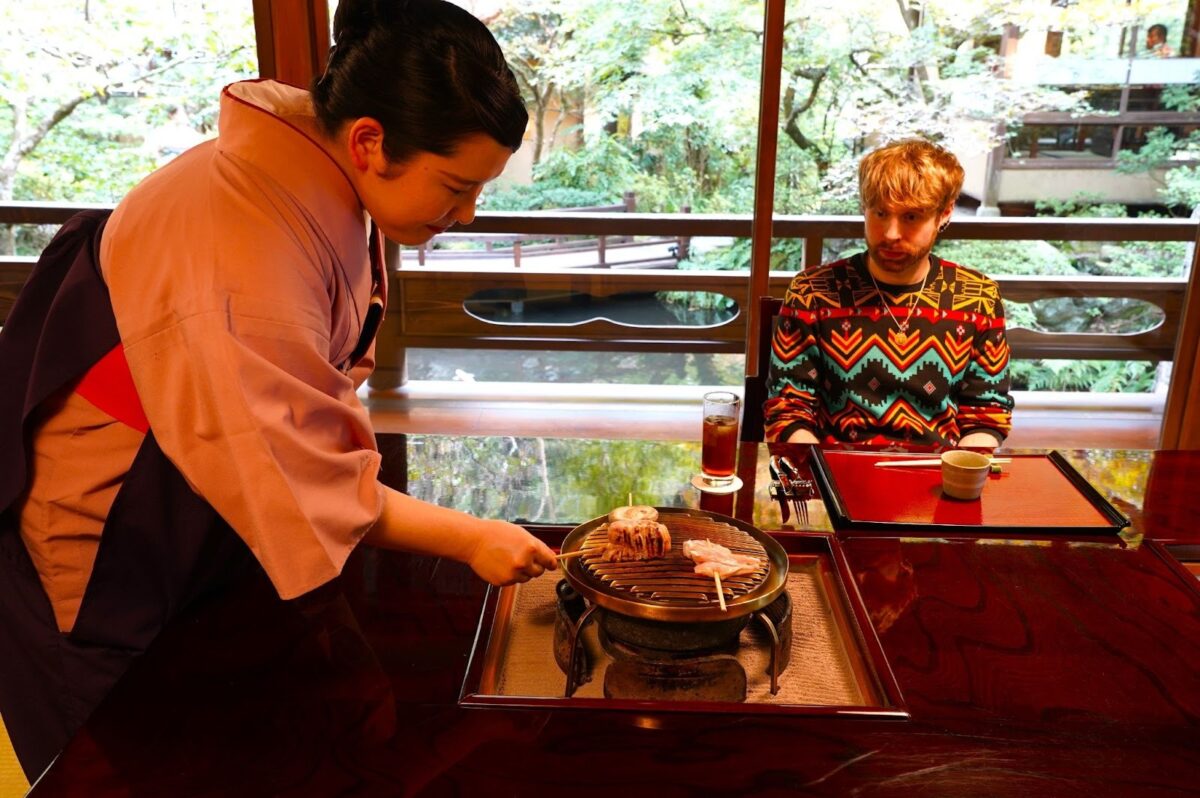
Lunch sets from ¥8,800, ¥11,000 on weekends. The grounds are beautiful and a sight to see, but only open to those who have a reservation.
Recommended Nearby Spots
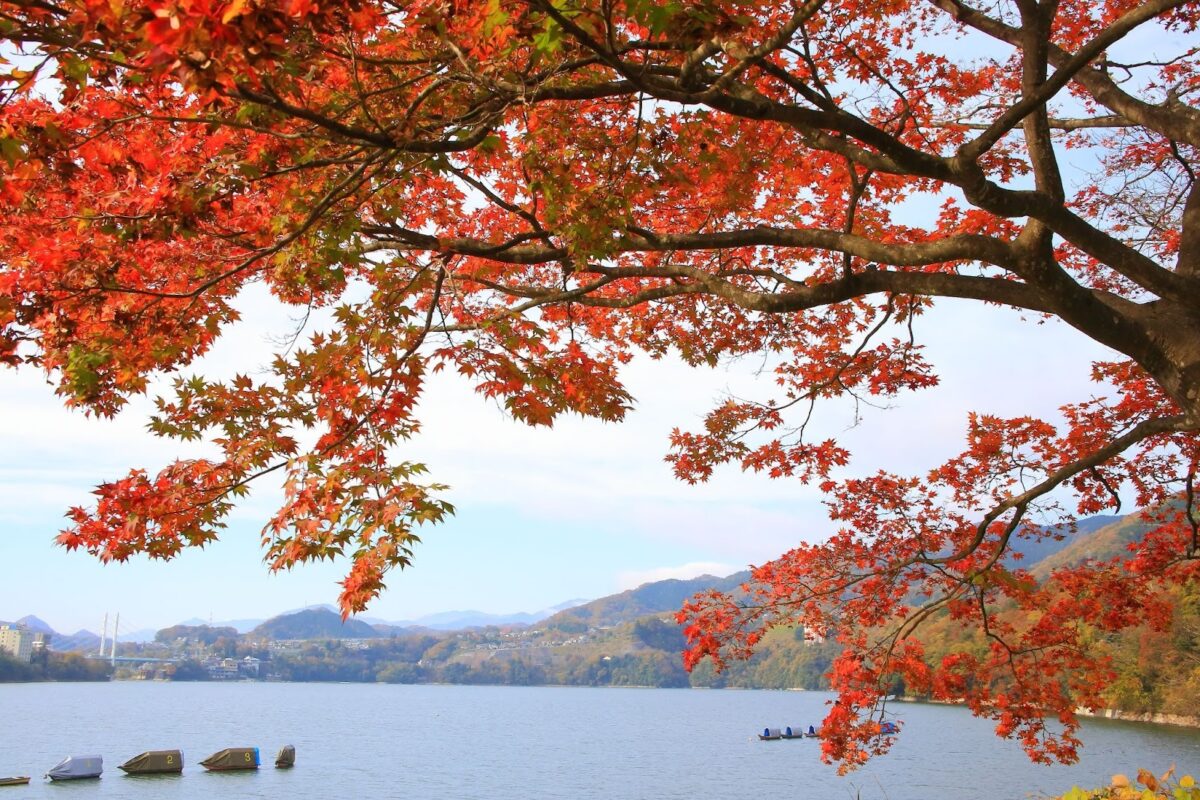
Lake Sagami (相模湖): A scenic lake surrounded by rolling hills. The lakeside paths are ideal for a leisurely walk, especially during cherry blossom season or autumn foliage. You can also enjoy a variety of boat related activities on the water:
Access to Lake Sagami:
From Takaosanguchi Station, take the Keio Line back to Takao Station, then transfer to the JR Chuo Line to Sagamiko Station. The entire journey takes approximately 15-20 minutes and costs around ¥360.
Sagamiko Illumillion (さがみ湖イルミオン)
If you visit between November and May, make sure to stop by Sagamiko Illumillion, one of Japan’s largest illumination events. Millions of colorful lights create tunnels, sparkling fields, and themed installations across the lakeside. It is a dream setting for evening photos before heading back to Hachioji.
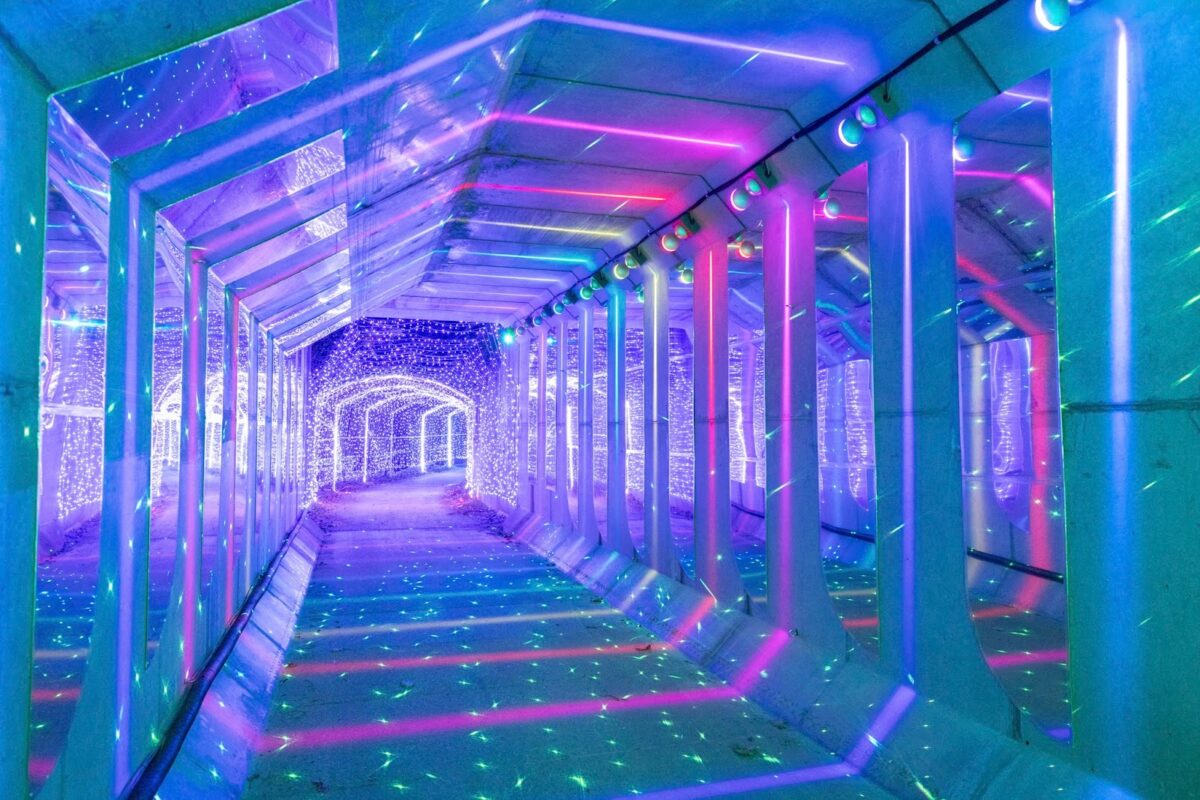
Admission costs and operating hours:
- Entry
- Adults: 2,000 yen
- Children/senior citizens: 1,300 yen
- Free pass (includes everything in the theme park, not just Sagamiko Illumillion)
- Adults: 4,700 yen
- Children/senior citizens: 3,700 yen
- 3 o’clock pass
- Adults: 3,000 yen
- Children/senior citizens: 2,400 yen
- Hours: 4pm-9pm (Hours may vary by season)
Afternoon to Evening: Return to Hachioji
7:00 PM (or earlier, if you skip Lake Sagami) onwards: Dinner & Stay in Hachioji
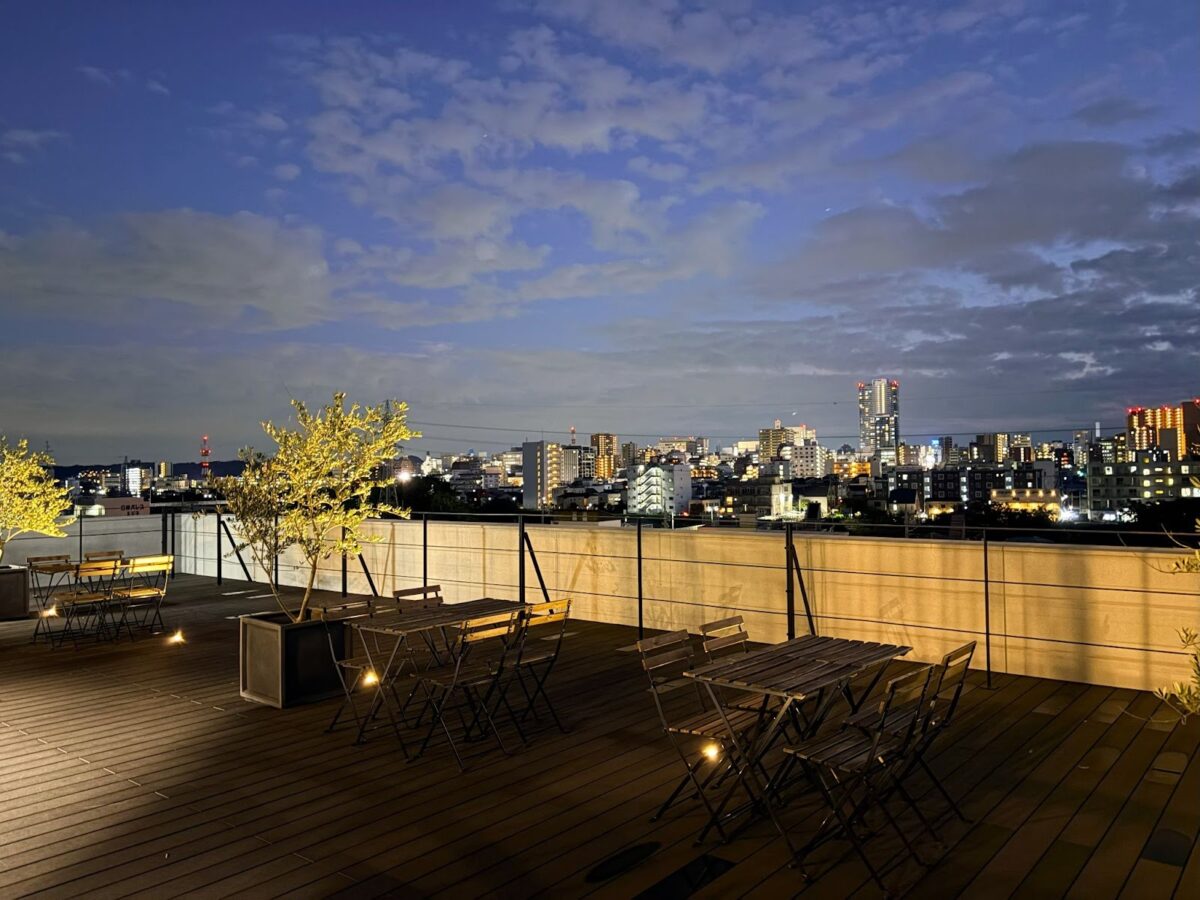
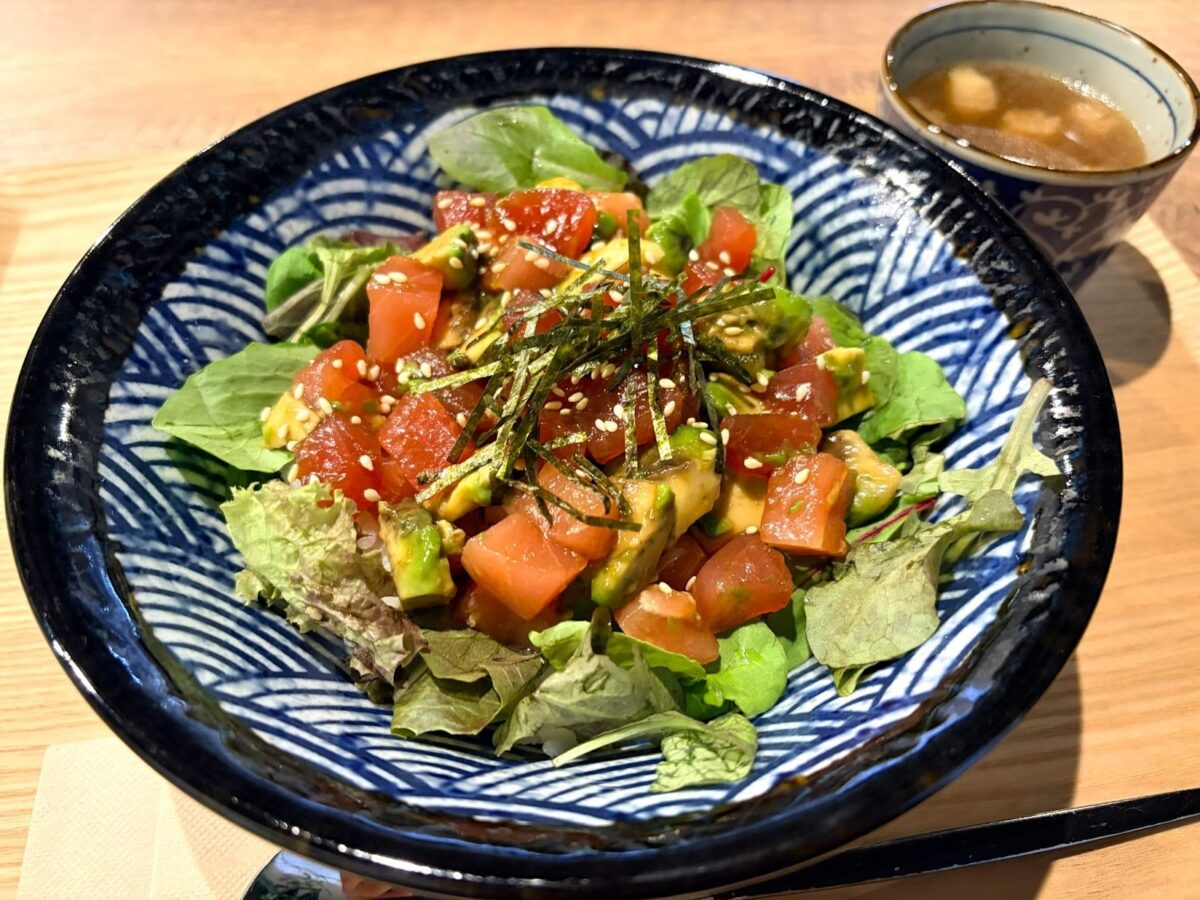
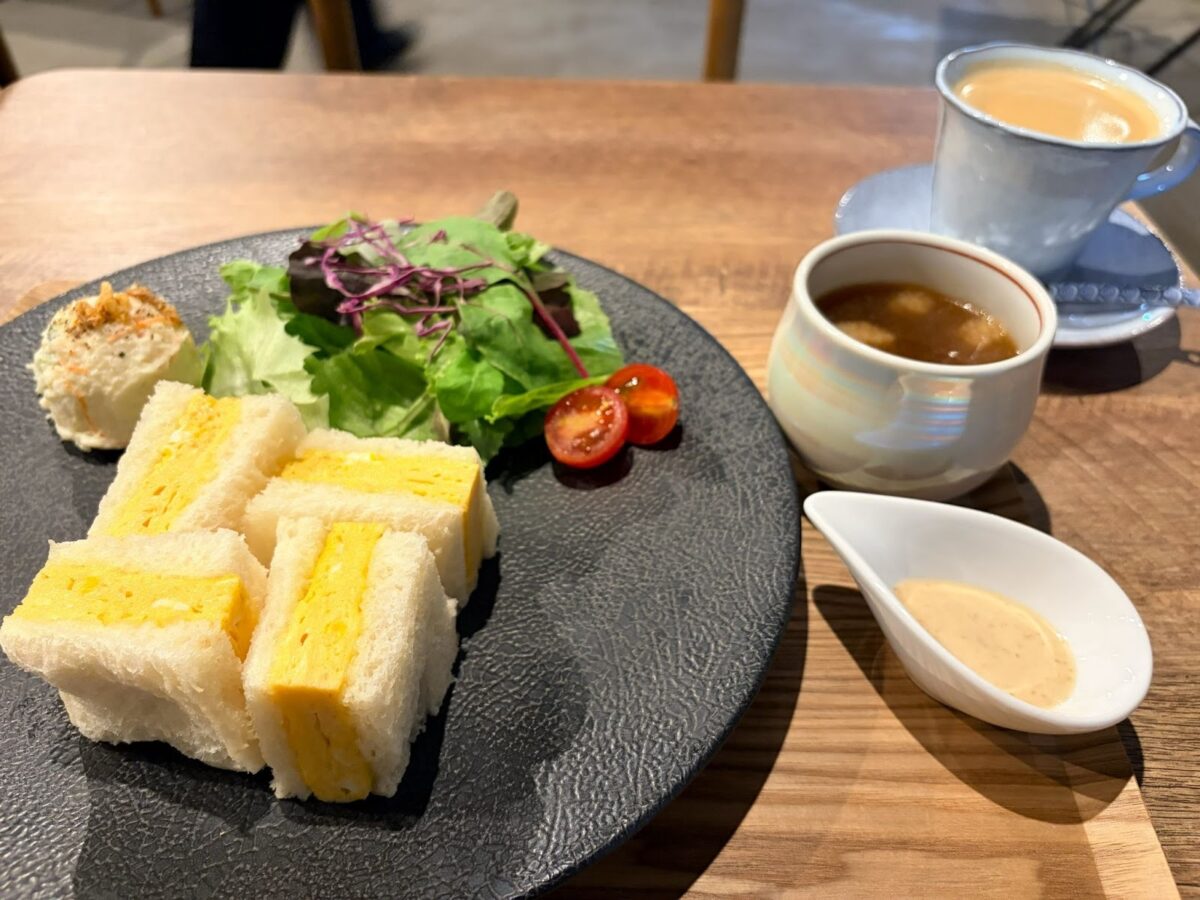
Nakayasu Café: (Open 11:30 AM – 8:30 PM) Serves meals made from locally sourced ingredients from Hachioji and offers organic coffee. The terrace view at sunset is especially relaxing, and you have a change to catch a glimpse of Mt. Fuji, making it a perfect spot to unwind after a day of exploring.
Accommodation Recommendation: Keio Plaza Hotel Hachioji
Luxurious Comfort Awaits: Step into a world of luxury the moment you enter the beautifully designed lobby.
Culinary Delights to Savor:
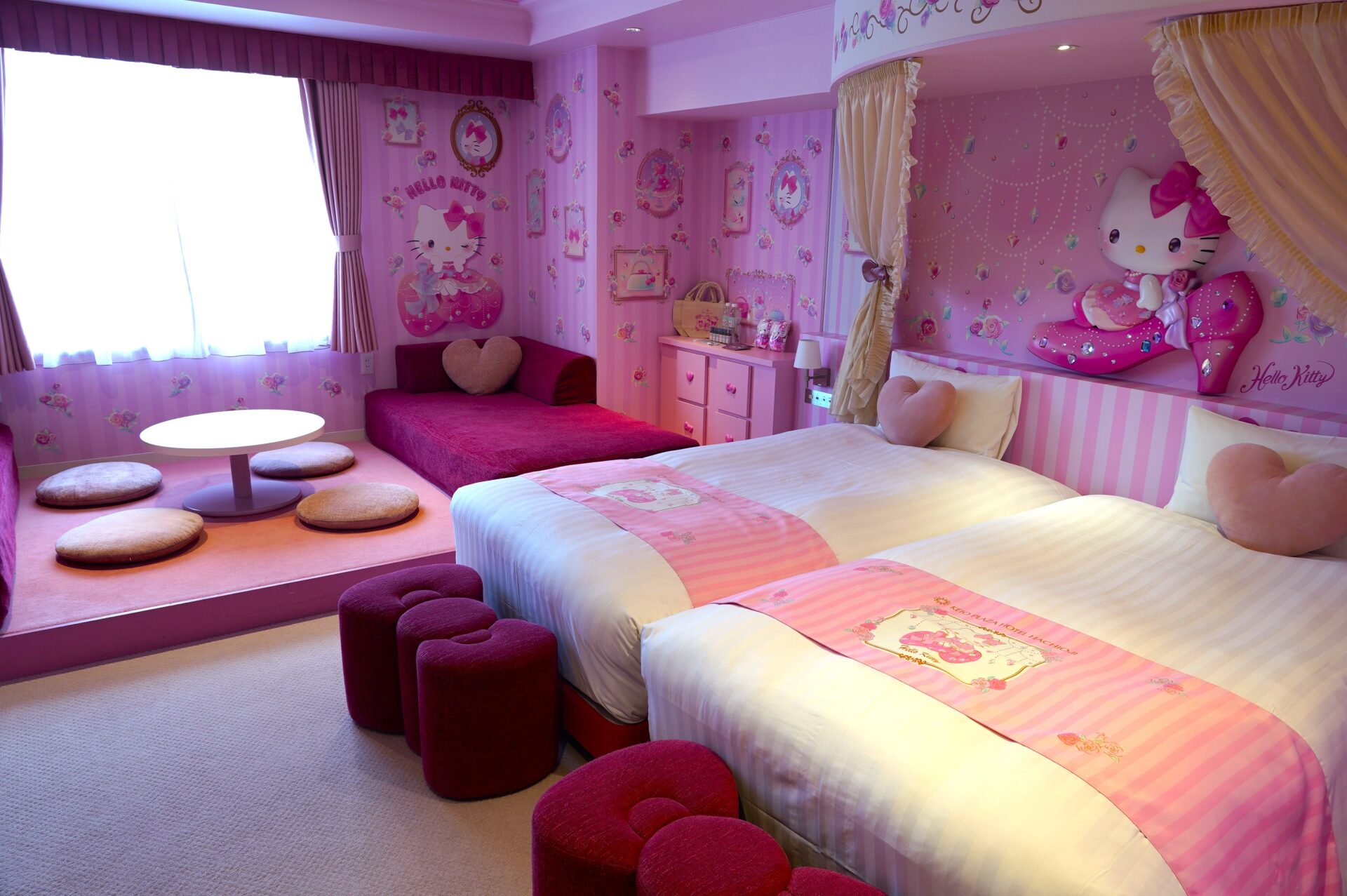
Indulge your sweet tooth at the charming cafe/bakery, featuring an array of delightful treats, including exclusive Hello Kitty Princess cakes that are almost too cute to eat! But, make sure you reserve one by 5pm, 3 days before!

Start your relaxed evening with plenty of delicious options; a true feast for the senses! For an elevated dining experience, explore the hotel’s other high-class restaurants, some even offering chances of breathtaking views of majestic Mt. Fuji until the sun sets: a feast for your eyes and your palate!
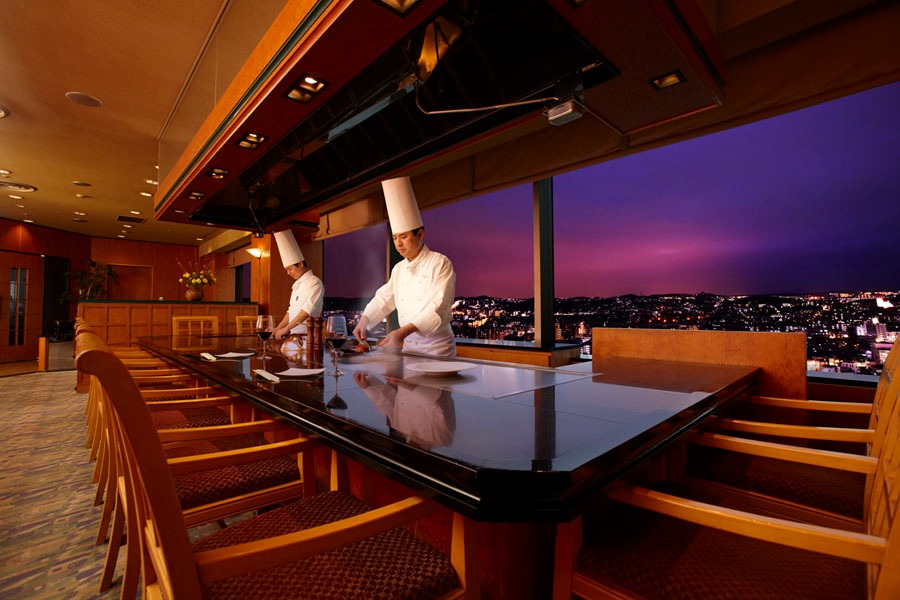
Incredible Value, Unforgettable Stay: Experience premium comfort without the premium price tag! Regular rooms offer significantly better value than comparable accommodations in bustling central Tokyo.
Hello Kitty Dreams Come True: For all the Hello Kitty enthusiasts out there, get ready for an unforgettable stay in our special Hello Kitty rooms!
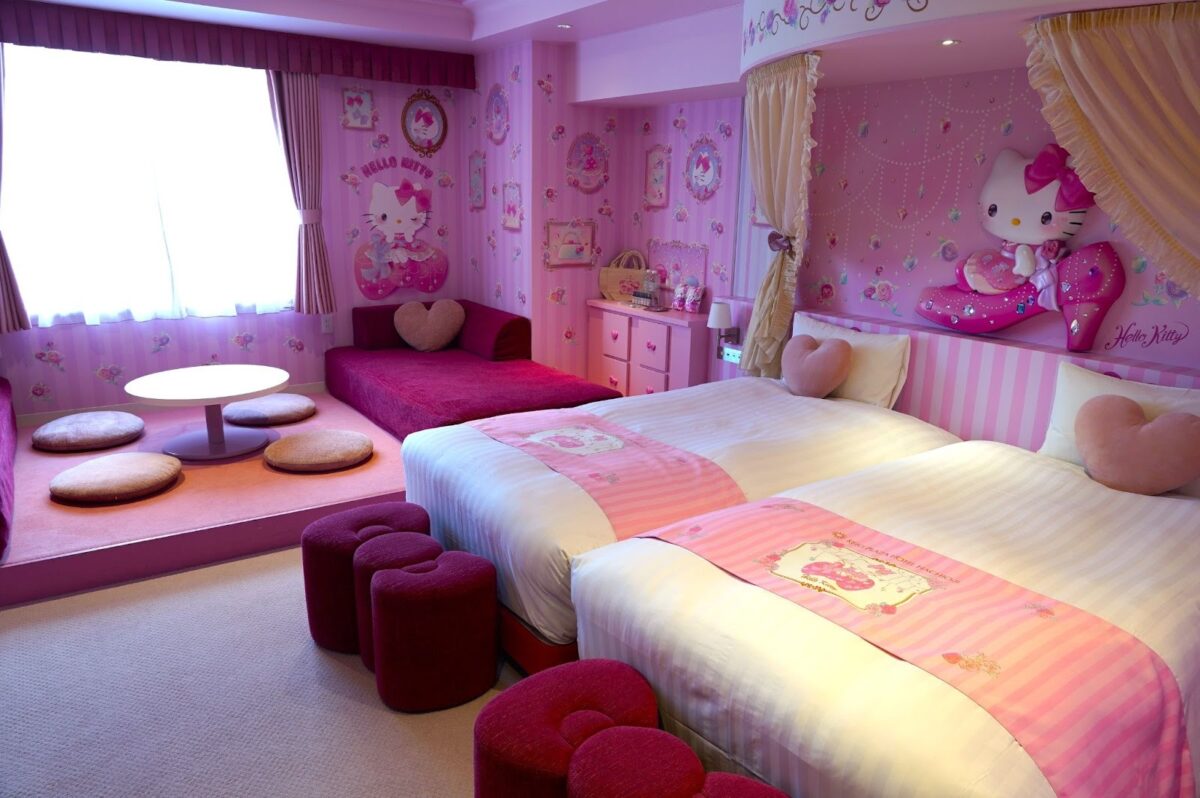

Your Perfect Relaxation Haven: After two days of exciting adventures, this hotel is your ultimate sanctuary, providing the perfect blend of comfort and relaxation to recharge and rejuvenate.
Klook.comDay 2: Mt. Fuji Day Trip
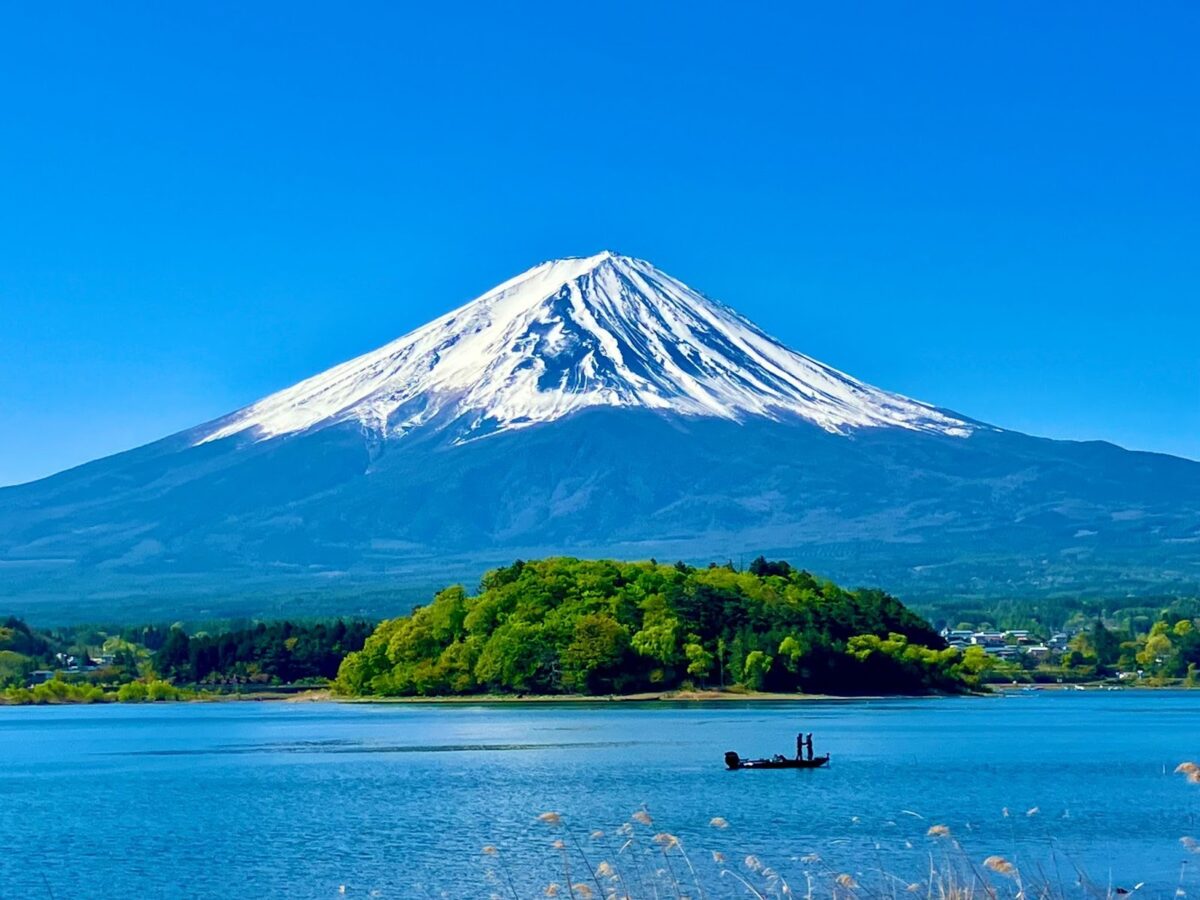
Mt. Fuji is a much more reasonable trek from Hachioji! Take advantage of this great location and visit the pride of Japan. Read along to find out just how to enjoy this famous area!
Morning: Journey to Mt. Fuji & Panoramic Views
7:30 AM – 10:00 AM: Travel to Mt. Fuji
- Highway Bus + Fujikyu bus (about 2.5 hours):
- First, take a highway bus from Chuodo Hachioji to Kawaguchiko Station (as low as ¥1,350 one way, about 1 hour)
- Note: there is a bus that goes directly from Chuodo Hachioji that goes directly to the 5th station, but it is only available from July to August.
- Next, take a Fujikyu bus from Kawaguchiko station (about 1 hour) to Fuji Subaru Line 5th Station
- Adults round-trip: ¥3,000, Elementary school student: ¥1,500
- Adults one-way: ¥1,950, Elementary school student: ¥980
- First, take a highway bus from Chuodo Hachioji to Kawaguchiko Station (as low as ¥1,350 one way, about 1 hour)
10:00 AM – 12:30 PM: Mt. Fuji 5th Station Exploration
The 5th Station (elevation approx. 2,300m) offers panoramic views. From here, you’ll be able to capture stunning photos and truly appreciate the vastness of the landscape. If you’re not there for the full climb, there’s a bit of casual hiking nearby.
- Visit Mt. Fuji Komitake Shrine and browse souvenir shops. This ancient shrine offers a glimpse into local spirituality, and the shops are perfect for finding unique gifts and mementos of your trip.
- Enjoy the scenery from the observation deck. Take your time to soak in the breathtaking views and capture some memorable photos of the surrounding nature.
- Depending on the season, enjoy short nature walks or light trekking. These gentle paths allow you to experience the natural beauty of the area up close and enjoy some fresh air.
Climbing Mount Fuji: Your Essential FAQ
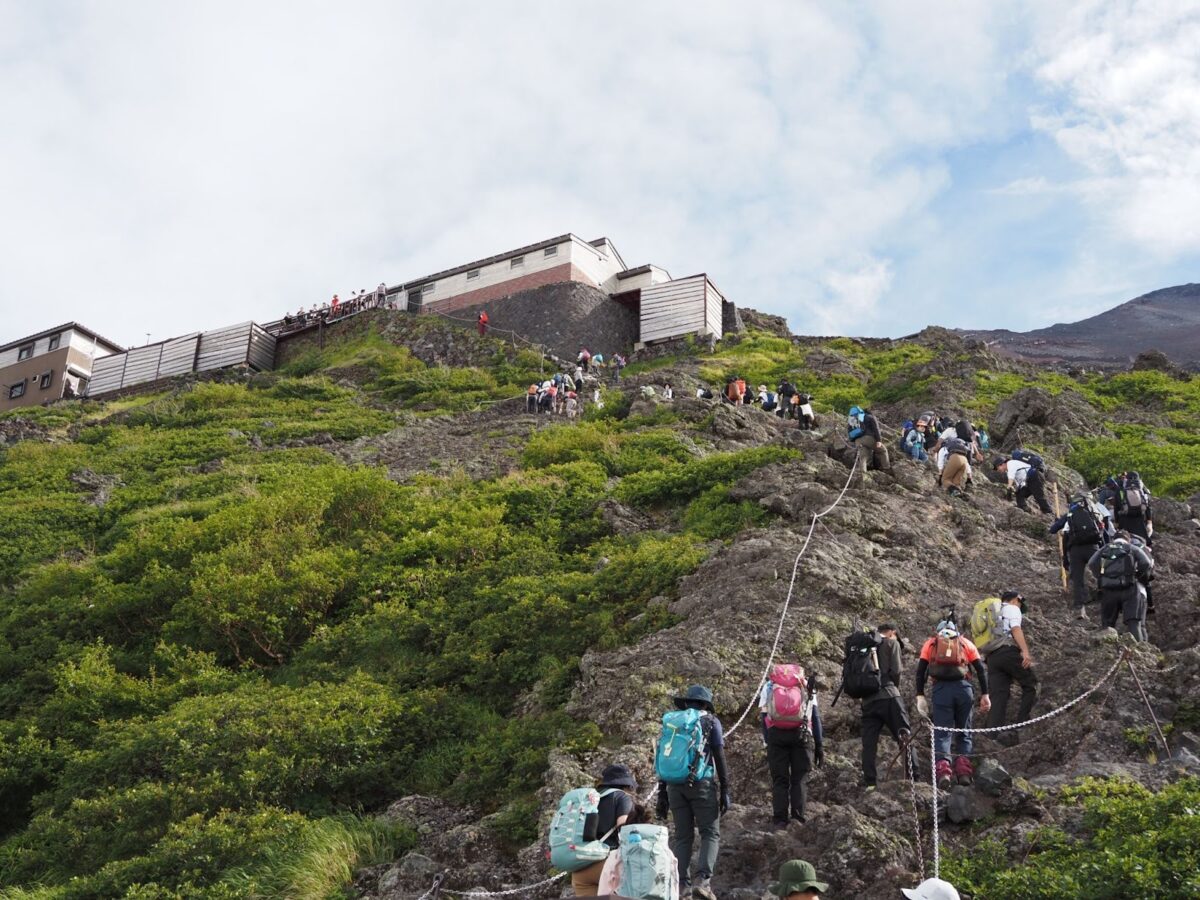
Planning a trip to Mount Fuji? Here are some frequently asked questions to help you prepare for an unforgettable experience!
Q: Can I climb Mount Fuji?
A: Absolutely! Climbing Mount Fuji is a fantastic experience, but it’s generally only recommended during the official climbing season, which typically runs from early July to early September. Outside of these months, conditions can be extremely harsh and dangerous, and special permits and experienced guides are required.
Q: Will the 5th Station be open when I go?
A: Yes, the 5th Station (and the four others located around the mountain) is open year-round! While it’s a popular starting point for climbers, it’s also a great spot for visitors to enjoy the views, grab a bite to eat, and buy souvenirs, even if they don’t plan to hike to the summit. The 1st through 4th stations are primarily used by climbers during the climbing season, offering rest stops and facilities along the various trails.
Q: What trail should I take?
A: Mount Fuji offers four main trails, each with its own characteristics and varying difficulty levels. Choosing the right one depends on your experience and fitness level:
- Yoshida Trail: The most popular and accessible trail, starting from the Fuji Subaru Line 5th Station. It has the most facilities (mountain huts, first aid stations) and is great for beginners.
- Subashiri Trail: Starting from the Subashiri 5th Station, this trail is less crowded than Yoshida and offers a more natural, forested ascent initially. It merges with the Yoshida Trail near the 8th station.
- Gotemba Trail: The longest and most challenging trail, starting from the Gotemba New 5th Station. It has fewer facilities and is recommended for experienced climbers.
- Fujinomiya Trail: Starting from the Fujinomiya New 5th Station, this is the shortest trail to the summit, making it steeper. It’s the second most popular trail and offers spectacular views.
Q: How long does it take to climb and descend?
A: The time it takes varies significantly depending on the trail, your athletic capabilities, and how often you stop. On average, most climbers budget:
- Ascent: 5 to 7 hours
- Descent: 3 to 5 hours
Many climbers opt to start their ascent in the afternoon, stay overnight at a mountain hut near the summit, and then continue to the peak in the early morning to witness the breathtaking sunrise (Goraiko).
Q: What gear do I need?
A: Proper gear is crucial for a safe and enjoyable climb. Here’s a checklist of essentials:
- Layers of clothing: Weather on Mount Fuji can change rapidly. Pack moisture-wicking base layers, insulating mid-layers, and a waterproof and windproof outer shell.
- Sturdy hiking boots: Ankle support is key for the uneven terrain.
- Backpack: Large enough to carry all your essentials.
- Headlamp or flashlight: Essential for early morning or late evening climbs, especially for sunrise attempts.
- Plenty of water and snacks: Stay hydrated and energized.
- Sun protection: Hat, sunglasses, and sunscreen are a must.
- Gloves: Even in summer, it can be cold at the summit.
- Rain gear: A waterproof jacket and pants are highly recommended.
- First-aid kit: Blister pads, pain relievers, and any personal medications.
- Cash: Many mountain huts only accept cash for food, drinks, and facility use.
- Trekking poles: Can help with stability and reduce strain on your knees, especially during the descent.
Q: Do I need to make reservations for mountain huts?
A: Yes, if you plan to stay overnight on the mountain, especially during the peak climbing season, it is highly recommended to make reservations for mountain huts well in advance. They can fill up quickly!
Q: Are there toilets on the mountain?
A: Yes, there are toilets available at each of the stations and at most mountain huts along the trails. Be prepared to pay a small fee (usually around 200-300 yen) for their use, as these funds help with maintenance. It’s also a good idea to carry some hand sanitizer.
Q: What about altitude sickness?
A: Altitude sickness can affect anyone, regardless of fitness level. Take your time, ascend slowly, and stay hydrated. If you start to feel unwell (headache, nausea, dizziness), descend immediately. Consider spending a night at the 5th Station before starting your climb to help acclimatize.
Afternoon: Lakeside Beauty & Local Flavors
12:30 PM – 1:30 PM:
Take your return bus back to Kawaguchiko station (About 1hour)
1:30 PM – 2:30 PM:
Lunch: Hoto Noodles
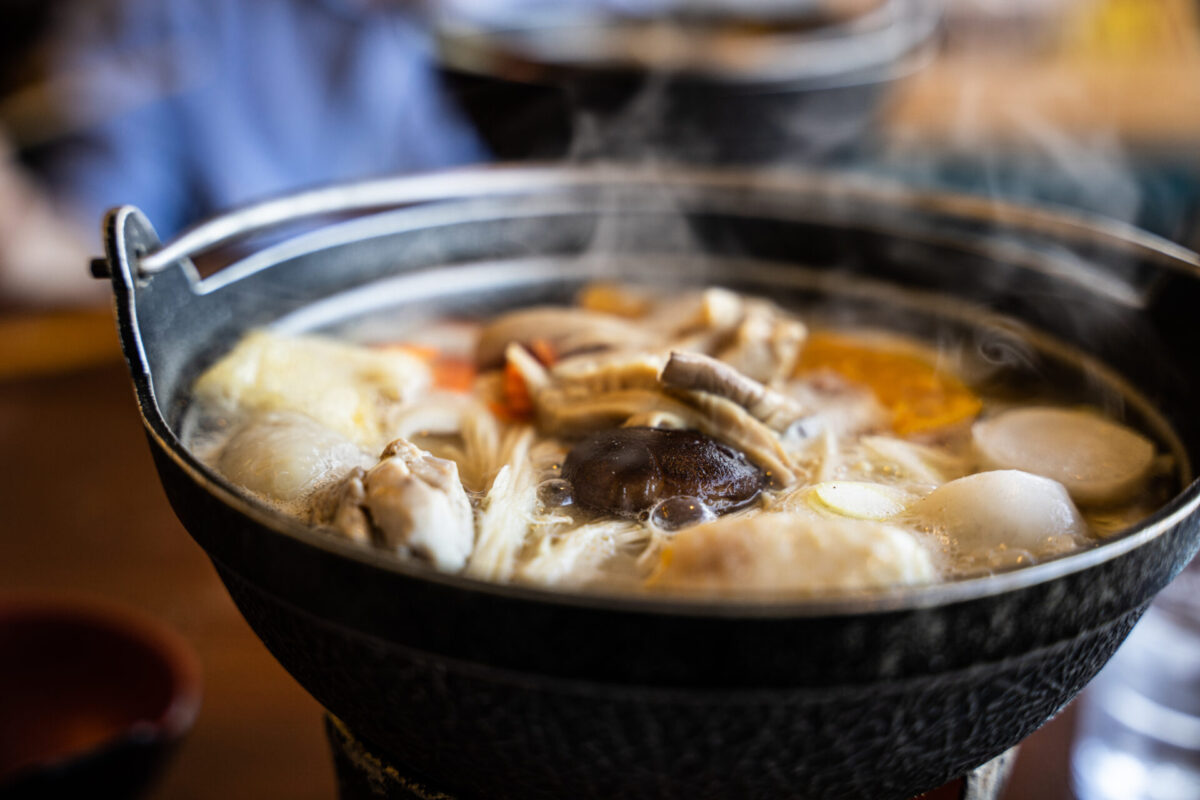
Savor Hoto noodles (approx. ¥1,200-¥1,800), a local specialty featuring thick udon in a miso-based soup with seasonal vegetables, perfect after outdoor activities or a brisk fall or winter day. This hearty and delicious dish is a must-try for anyone visiting the area, offering a comforting and authentic taste of local cuisine.
2:30 PM – 5:30 PM: Explore the Fuji Five Lakes
Visit one or more of the Fuji Five Lakes, such as Lake Kawaguchiko or Lake Motosuko, renowned for reflections of Mt. Fuji.
- Lake Motosuko: Famous for its appearance on the old ¥1,000 yen bill. The view of Mount Fuji on the bill is a recreation of a view you can get from this lake.
- Lake Kawaguchiko: Consider renting a bicycle (typically ¥1,000-¥2,000 for a few hours) to explore the peaceful lakeside, small shrines, and scenic viewpoints. Oishi park is a great stop to check out for nice views and a peaceful garden.
- Note: This takes between 2 and 4 hours depending on your pace and is about 12 miles or 20 km. If you want to do this, you may have to forgo some other activities!
- Lake Saiko: Known for its pristine natural beauty and tranquil atmosphere, offering excellent opportunities for camping and fishing.
- Lake Shojiko: The smallest of the Fuji Five Lakes, offering stunning panoramic views of Mt. Fuji, often reflected perfectly on its calm surface.
- Lake Yamanakako: The largest of the Fuji Five Lakes and a popular spot for water sports, with breathtaking views of Mt. Fuji, especially at sunrise and sunset.
Exploring the Fuji Five Lakes: Your Essential FAQ
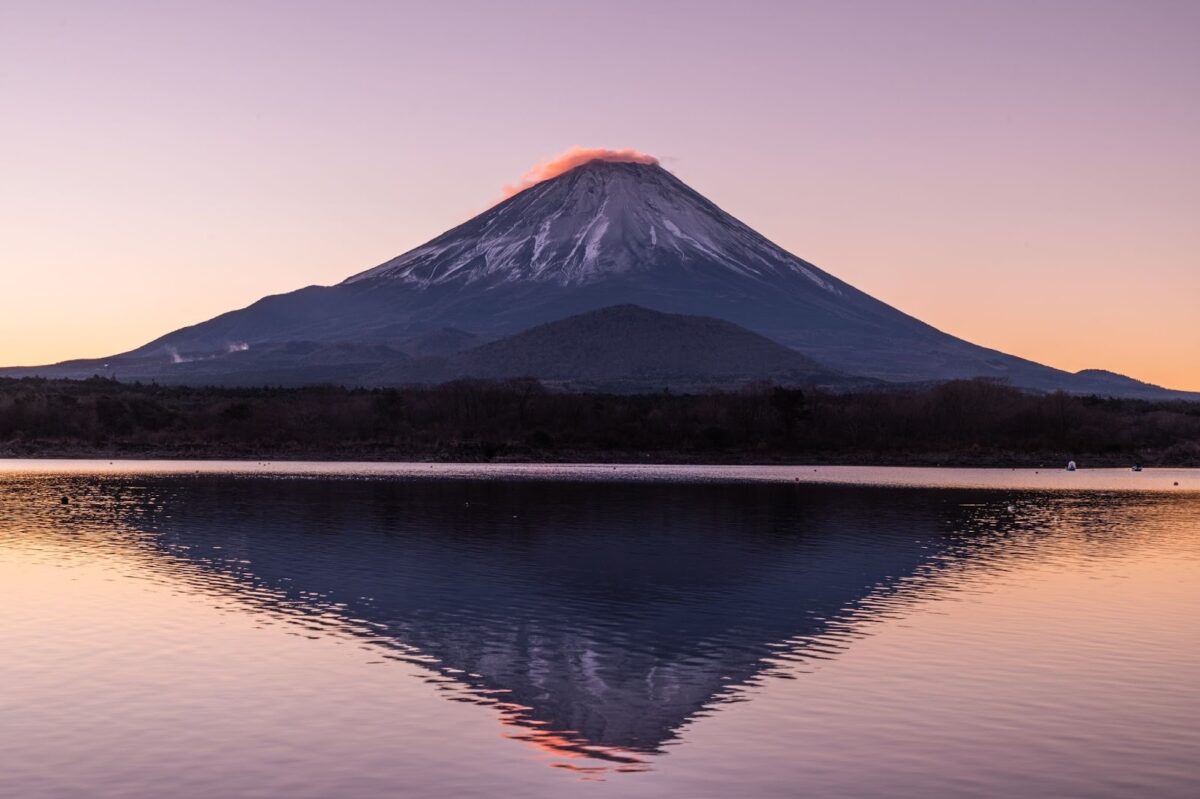
Do the lakes sound interesting to you? Here are some frequently asked questions to help you make the most of your trip!
Q: What are the Fuji Five Lakes?
A: The Fuji Five Lakes (Fujigoko) are a group of five lakes formed by ancient eruptions of Mount Fuji. They are Lake Kawaguchiko, Lake Yamanakako, Lake Saiko, Lake Shojiko, and Lake Motosuko. Each lake offers unique perspectives of Mount Fuji and different activities to enjoy.
Q: Which lake is the best to visit for views of Mt. Fuji?
A: While all five lakes offer stunning views, Lake Kawaguchiko is generally considered the most popular and accessible for iconic Mt. Fuji vistas, especially from spots like Oishi Park. Lake Motosuko is also famous for its reflection of Mt. Fuji, depicted on the ¥1,000 yen bill.
Q: Can I swim in the lakes?
A: Swimming is generally permitted in most of the lakes, particularly during the warmer months (July and August). However, always check local regulations and designated swimming areas, as conditions and rules can vary by lake.
Q: Is it easy to get around between the lakes?
A: There are local bus services connecting the different lakes and surrounding attractions. However, renting a car offers the most flexibility for exploring the entire region at your own pace. If traveling by car, it generally takes 3-4 hours to drive around all five lakes.
Evening: Return to Hachioji
5:30 PM – 7:00 PM: Return to Hachioji
From Kawaguchiko Station, take the same bus you took to get there from Hachioji (approximately 1 hour, but traffic may be worse around this time)
Iyasaka Ramen: For those seeking a delightful culinary experience, Iyasaka Ramen presents an ideal choice. This renowned Hachioji specialty offers a comforting, soy sauce-based ramen, elegantly topped with finely chopped onions. Its exceptional broth boasts remarkable depth, a subtly impactful flavor that is surprisingly light and remarkably easy to savor. Accompanied by classic accoutrements such as a perfectly soft-boiled egg and impeccably cooked chashu, its simplicity is elevated to perfection. Further details on this exquisite establishment are available in the accompanying article.
Hachioji: One of the Best Spots for a Fuji Trip and More!
Hachioji serves as an ideal launchpad for an unforgettable two-day adventure, blending the serene beauty of nature with exciting cultural discoveries, all without the hustle and bustle of central Tokyo. Day 1 invites you to explore picturesque hiking trails, enjoy tranquil lakeside strolls, and indulge in a touch of luxury dining. Day 2 promises thrilling adventures around the iconic Mt. Fuji, breathtaking scenery, and the chance to savor authentic local culinary delights. Whether your interests lie in conquering mountain paths, delving into fascinating dining on local delicacies or experiencing profound spiritual moments, Hachioji provides the perfect starting point for a journey rich in nature, culture, and truly unforgettable experiences.
For more detailed information on Hachioji, please visit the Hachioji Convention and Visitors Association’s official website. The site expands on details we mentioned in this article, and even offers some that we just didn’t have room for above!
This project is supported by Tokyo Convention & Visitors Bureau.