Ise-Shima ‒ Timeless Cycles of Nature and Human
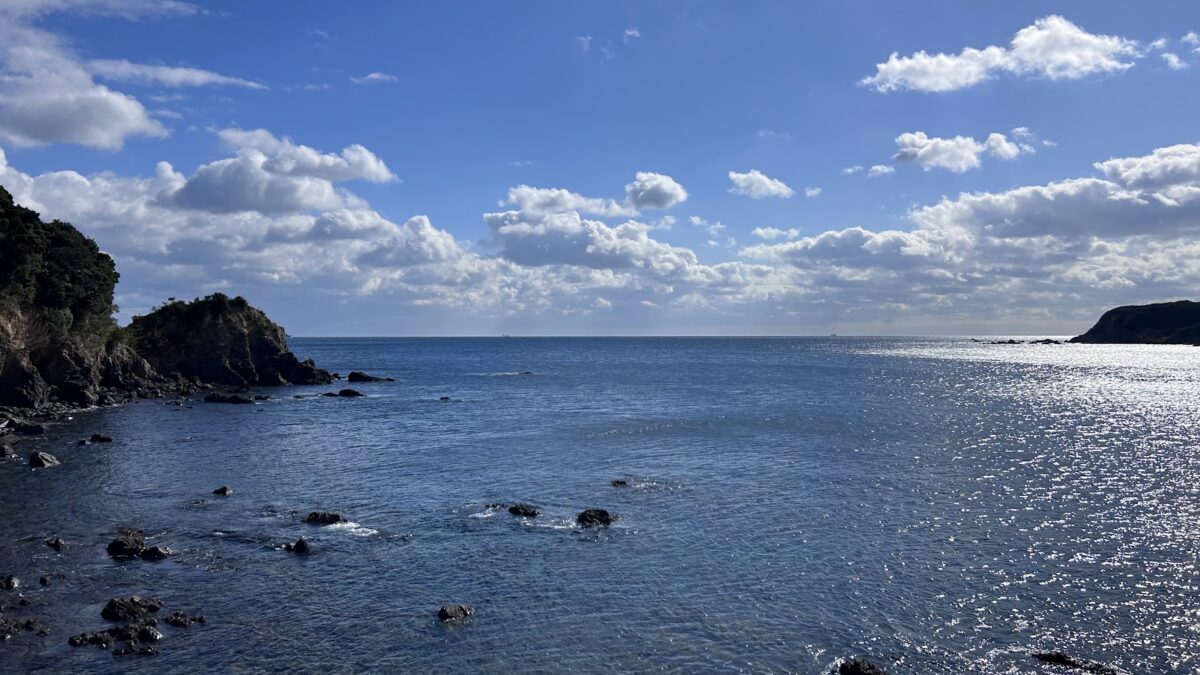
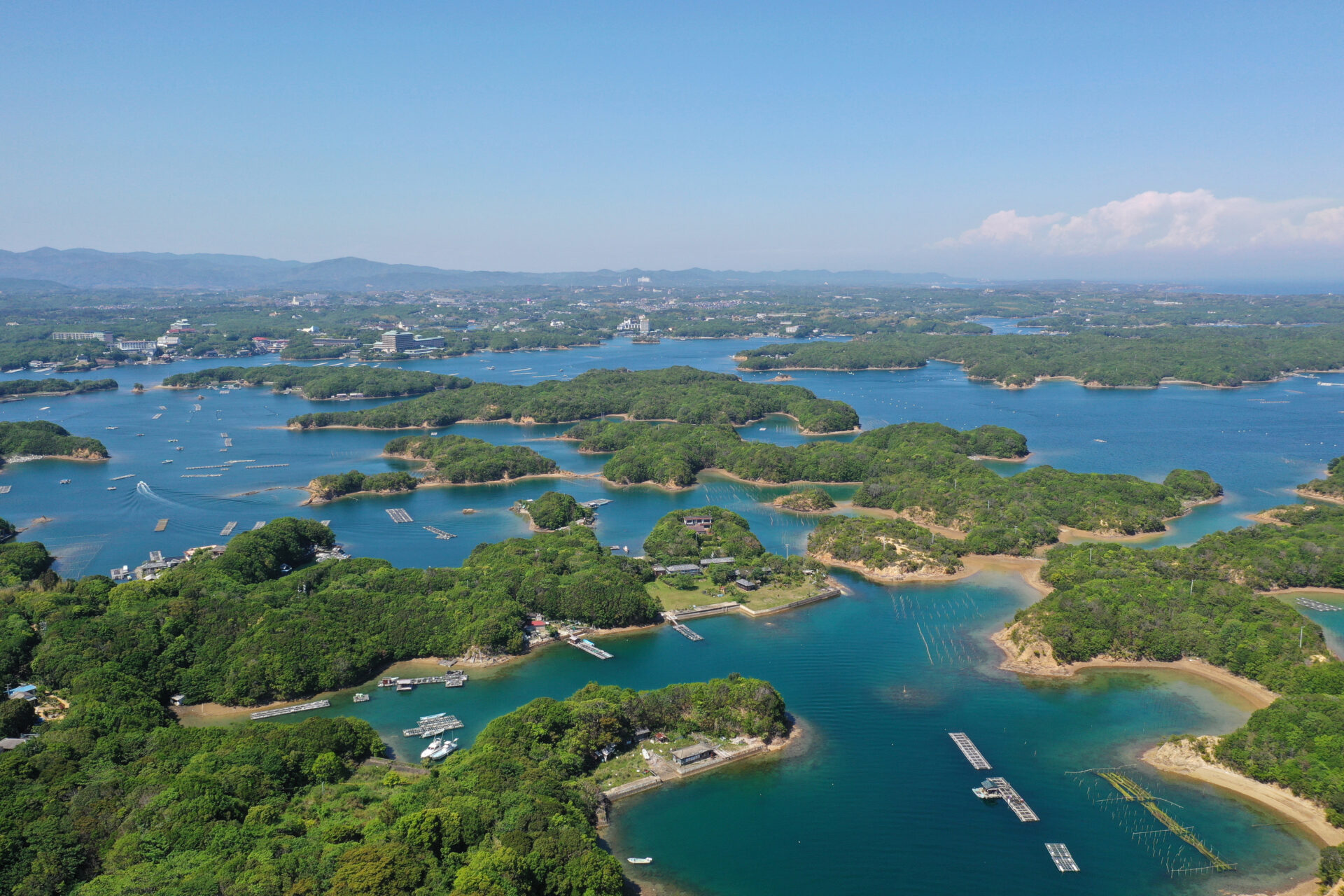
The Ise-Shima region has two main characteristics. One is the deep history and culture centered on Ise Jingu (Shinto shrine), and the other is the beautiful coastline and many small islands. The sea provides us with blessings, spiny lobster, abalone, pearls as well as breathtaking ocean views, while many believe Ise Jingu is the spiritual heart for the Japanese people.
In Ise-Shima, time does not simply pass – it cycles, renews, and breathes. Here, the pure waters of ancient forests flow into the bountiful Pacific, nurturing 2,000 years of Ama diving traditions and exquisite pearls. This is a place where rituals, nature, and daily life exist in perfect harmony.
Whether you are walking the hallowed paths of Ise Jingu or sharing a fire with the Ama divers, you are not just a visitor; you are part of a sacred cycle.
Come, find your inner calm, and reconnect with a Japan you never knew existed!
Ise Jingu, the Center of “Cycles of life”
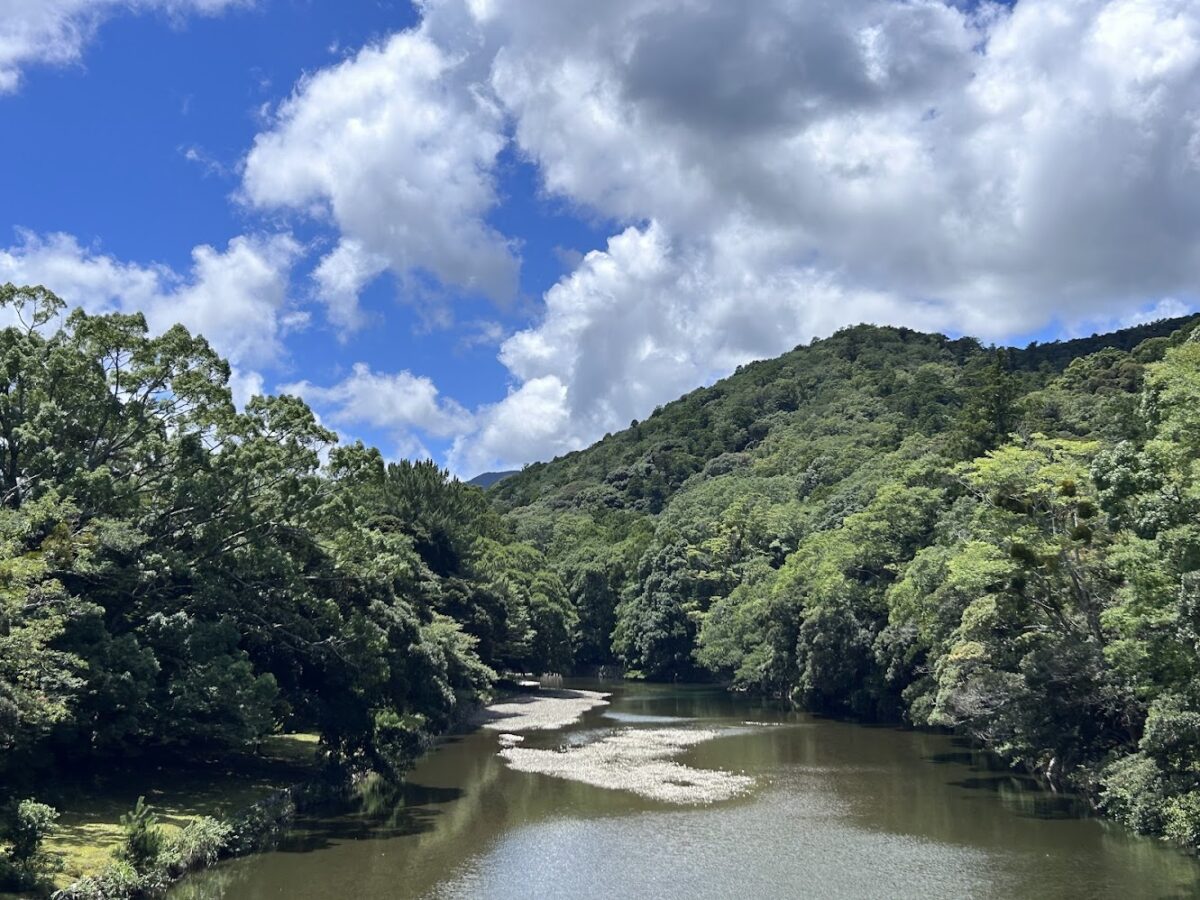
Ise-Shima’s cycles of life begin in the forests of Ise Jingu. Since ancient times, the forests have been protected by the locals as a sacred place. The pure and clear water from the forests, which flows down the rivers such as the Isuzu River, eventually reaches the sea, bringing the nutrients from the forests to various marine creatures. The people of this region live with a deep sense of gratitude and reverence toward the Jingu forests, recognizing them as the source that sustains all life here.
Shinto and Ise Jingu
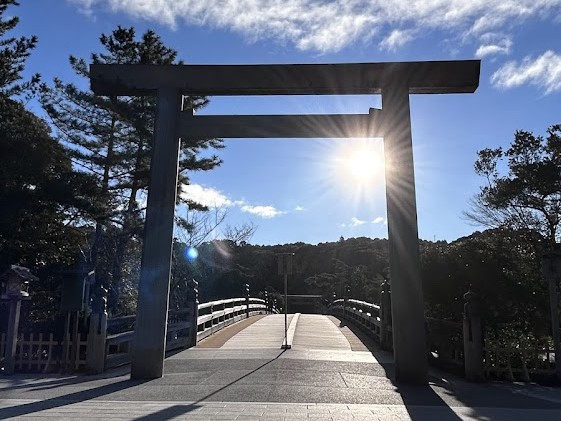
Among the countless Shinto shrines found throughout Japan, Ise Jingu has long been worshipped as a uniquely sacred site. At its heart are two main shrines: Kotaijingu (or Naiku) and Toyo’uke-daijingu (also known as Geku). Ise Jingu includes 125 Shinto shrines of various sizes, centered around Naiku and Geku and each conducts its own rituals.
Shinto is a belief system that was born from the everyday lives of the Japanese people. Since ancient times, people have lived in close relationship with nature through farming, fishing, and so on. While nature gives us great blessings, it can also cause overwhelming disaster and destruction. People sensed that something supernatural was behind these natural phenomena, a presence, the workings of kami (deities).
Things in nature such as mountains, rocks, trees, and waterfalls made deep impressions on our ancestors. They were believed to be dwelling places of the deities and thus came to be revered and worshipped. Over time, structures were built at these sacred sites, leading to the birth of Shinto shrines.
Shinto shrines are sacred places where a great number of kami residing in the natural world are enshrined. Among them are the ujigami, guardian deities of a specific area or local community. Amaterasu-Ōmikami, who is enshrined at Naiku is regarded as the “supreme ujigami”, revered as both the ancestral deity of the Japanese imperial family and the guardian deity of the entire nation.
Japanese Philosophy Reflected in Architecture
The architectural style of the main sanctuaries of Ise Jingu is completely different from that of Japanese houses or castles. It preserves what is considered the oldest and most pure architectural form in Japan, known as Shinmei-zukuri. In striking contrast to historic Western cathedrals and palaces, the buildings of Ise Jingu feature little to no ornate decoration or elaborate carvings. Only solid, unpainted Japanese cypress (hinoki cypress) is used for the pillars and structural elements, allowing the natural color and grain of the wood to remain visible. The roofs are thatched with kaya (a kind of pampas grass), and only natural materials are used throughout. This simplicity reflects the belief that the deities prefer the unadorned beauty of nature.
The Spirit of Shikinen Sengu: Passing Tradition on to the Future
Shikinen Sengu is a sacred ritual held every 20 years. In this ritual, all the shrine structures within the precincts are rebuilt, along with approximately 714 types and 1,576 items of sacred garments and ritual treasures. Notice that next to the shrine building, there is a plot of the same size. They can build identical shrines and move the kami to the new building when it’s completed. This periodic renewal maintains a constant state of freshness, enhancing the shrine’s divine power. The ritual of Shikinen Sengu (or scheduled reconstruction) has continued for 1,300 years. By the cyclical rebuilding, the ancient concept we call Tokowaka, meaning “eternal youth or perpetual rejuvenation”, has been passed down to the present day.
By repeating the exact same rituals in the exact same manner as our ancestors did every 20 years, we can share the same spirituality with each generation. In this way, ancient craftsmanship, artistic tradition, and faith have been passed down through ages.
The Cycle of Nature’s Blessings – Ama Divers
The rich seas are fed by clear river waters full of nutrients flowing down from the forests.
Here, a culture of Ama divers has lasted for more than 2,000 years.
They dive without using any modern diving equipment, relying only on their breath, and carefully harvest abalone and sazae (a delicious sea snail)*.
Ama culture is deeply rooted in local communities. The Shima Peninsula, which includes Toba and Shima cities in Mie Prefecture, has the largest number of Ama in Japan. Each fishing village still preserves its own unique customs and beliefs.
It’s a cycle of nature’s blessings, with people directly receiving the sea’s bounty with gratitude.
Wisdom for Sustainable Harvesting
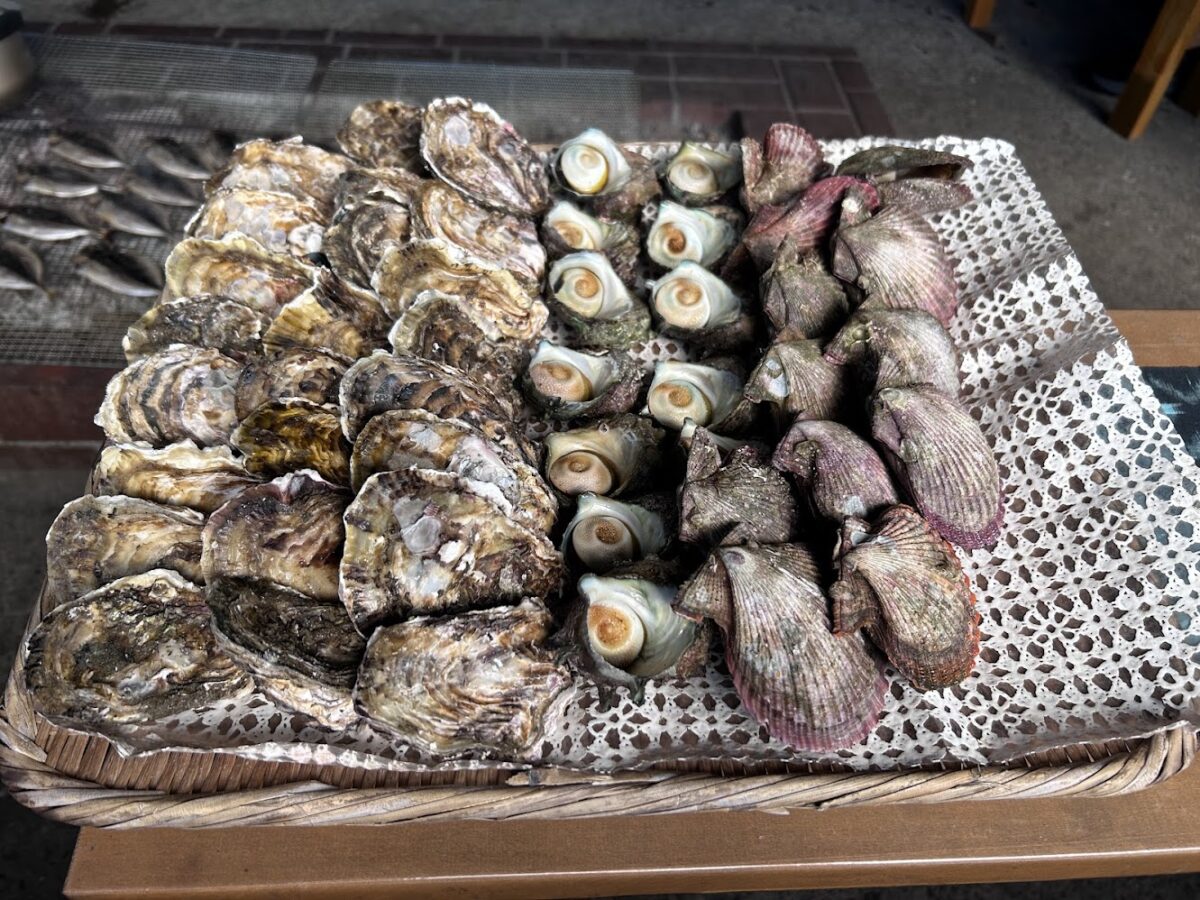
Through years of diving experience, they have learned to read the tides and understand the terrain of the seafloor and rocky reefs, becoming deeply familiar with where abalone, sazae (a delicious sea snail) and other marine life are found. The reason the Ama of the Shima Peninsula continue this traditional form of free diving is simple. Through long tradition, they have learned that this is the best way to avoid exhausting ocean resources such as abalone. The wisdom and respect behind “not taking too much” help prevent overharvesting and preserve the sea’s bounty, serving as a key to passing these resources on to future generations.
Ama diving in the Ise-Shima region follows strict regulations set by each community, designed to ensure sustainable fishing and careful resource management.
Ama Customs – Community Bonds among Ama
The strict practices followed in Ama fishing developed within individual fishing villages in the 17th and 18th centuries, and were later formalized as the rules of fisheries cooperative associations. These strict practices can be seen as the result of the wisdom and effort developed by local communities working together to preserve local marine resources and to pass on both Ama culture and the bounty of their fishing grounds to future generations. Although Ama divers compete as rivals in their work, a deep bond and a strong sense of community unite them in protecting each other’s lives. The strong sense of community among Ama divers is nurtured through their participation in local rituals and traditional events, and through the time they spend interacting in ama-goya, the Ama huts near their fishing areas.
Ama Huts(Ama-goya)
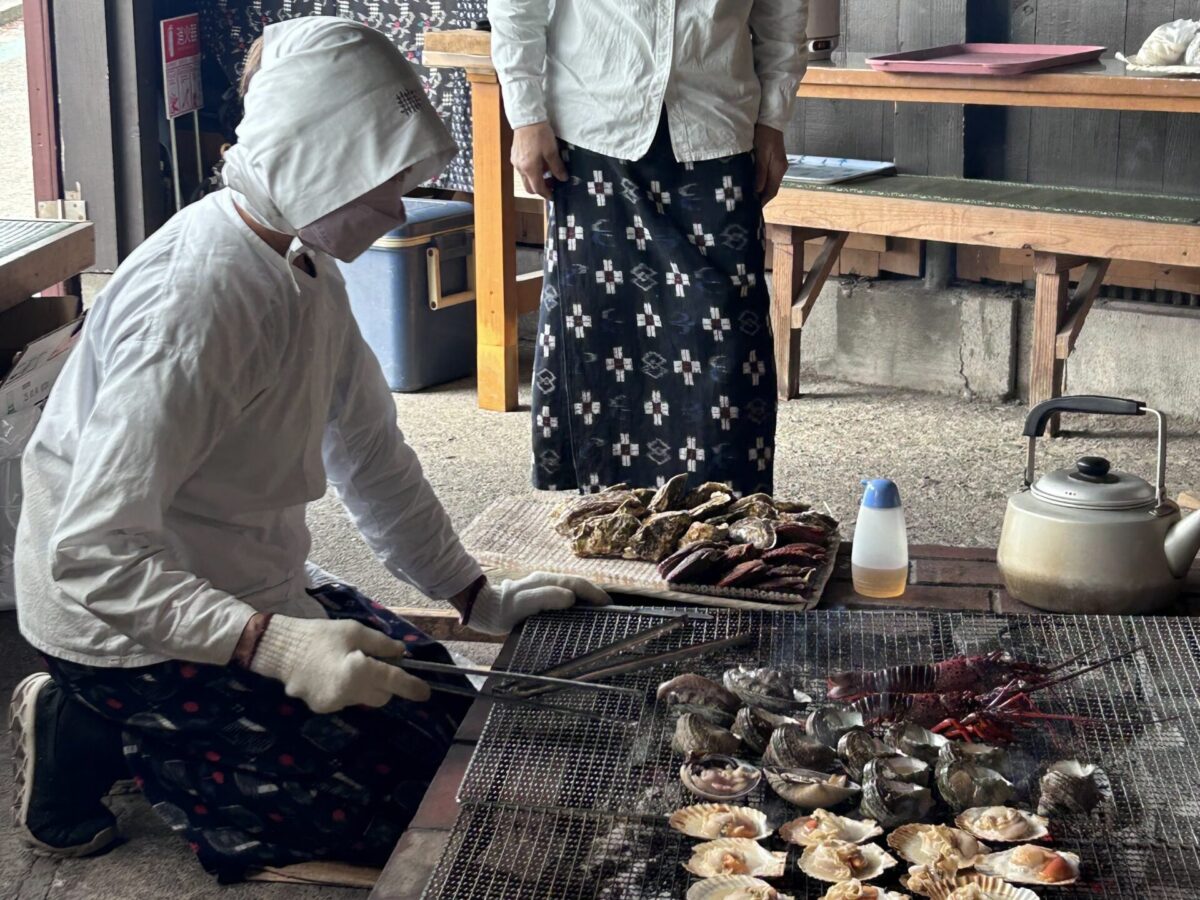
Ama huts are the frontline bases for Ama fishing. They are also places where divers warm themselves by a fire after diving, rest between dives, and enjoy light meals and tea.
In addition, Ama huts also serve as important gathering places where local Ama divers exchange information and talk through everyday concerns together.
Through everyday conversations in ama huts, the skills and knowledge of Ama fishing, as well as an awareness of protecting marine resources, are handed down to the next generation.
While traditional ama huts are private bases for divers to rest, several specially designed huts invite visitors to experience this culture firsthand. Today, these spaces welcome guests to savor fresh seafood, meticulously grilled over an open charcoal fire by the Ama divers themselves.
As you sit by the crackling embers, enveloped in the savory aroma of the ocean, time seems to slow down. Listening to the stories shared by these guardians of the sea, you will discover the profound gratitude and wisdom they have passed down through generations.
Beyond just a meal, this is a moment of true mindfulness—an invitation to experience the sacred cycle of Ise-Shima, from the forest to the sea, and finally to your table. In the warmth of the hut, find nourishment for both your body and your spirit.
Pearls: Another Treasure Nurtured by Human Wisdom and the Cycles of Nature
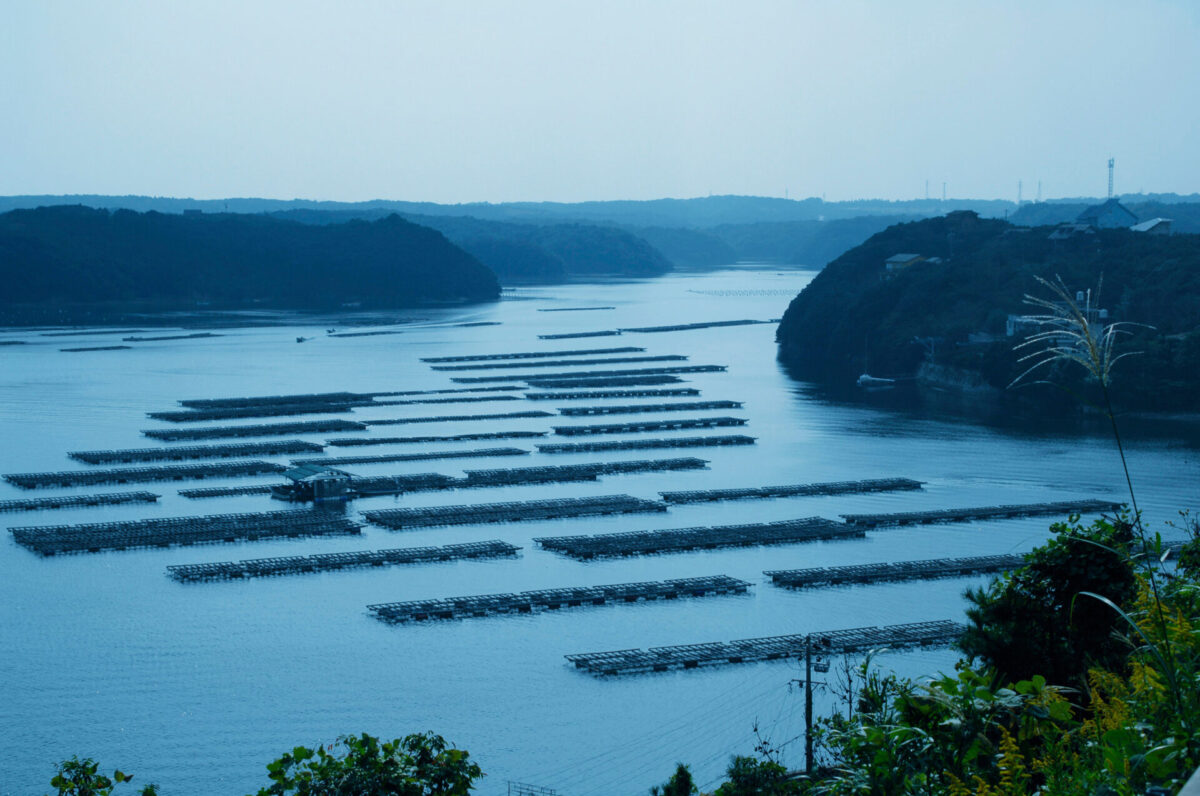
The history of pearl cultivation began in 1893, when Kokichi MIKIMOTO successfully cultivated half round pearls for the first time in the world in Ise-Shima.
Beautiful pearls are produced by healthy Akoya pearl oysters. Pearl cultivation also relies on the natural cycles of forests, seas, and water. Nutrient-rich water flowing from the mountains of Ise-Shima National Park, including the vast forests of Ise Shrine, nurtures Akoya pearl oysters. They are produced through the combination of delicate human craftsmanship and the blessings of nature. Thanks to this collaboration, Akoya pearls are admired around the world.
Pearls and Ama – Pearl Cultivation and the Role of the Ama
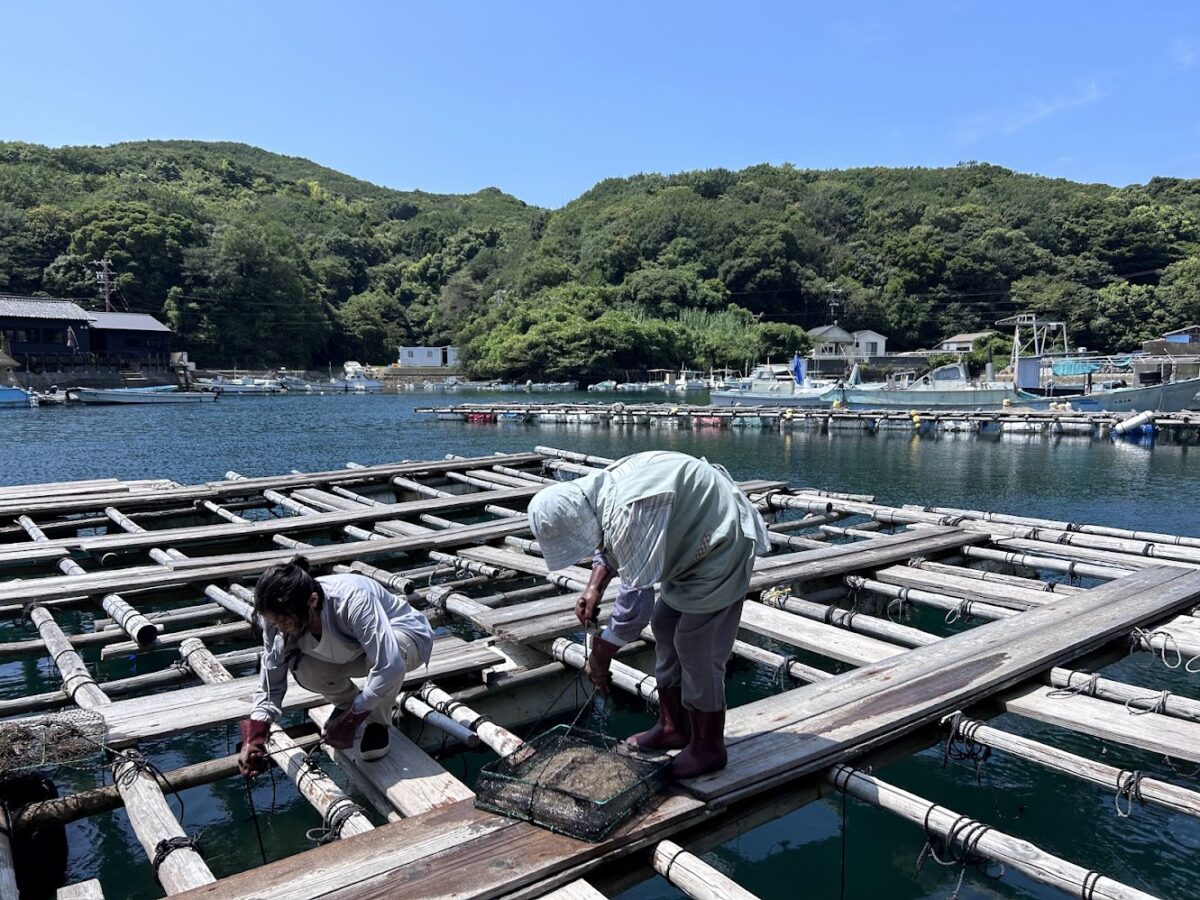
In the early days of pearl cultivation’s success and industrialization, the Ama played an essential role as a vital workforce. The success of Kokichi MIKIMOTO’s pearl cultivation enterprise depended on the Ama’s exceptional diving skills and their ability to work underwater. The Ama collected Akoya pearl oysters for pearl cultivation. After nucleus insertion, they lowered the Akoya pearl oysters back into the sea.
To begin pearl cultivation, large numbers of natural Akoya pearl oysters first had to be collected from the sea. These oysters would serve as the mother oysters for forming Akoya pearls. At the time, Akoya pearl oysters lived at specific depths and in particular locations. Before modern diving equipment became widespread, Ama fishing—without any equipment—was the most efficient and dependable way to collect them.
In the early stages of pearl cultivation, work underwater was essential not only for collecting Akoya pearl oysters, but also throughout the entire process leading up to the removal of the pearls. This work required the Ama’s deep knowledge of the sea and specialized skills to work underwater for long periods of time.
Even after pearl cultivation techniques were established, Kokichi Mikimoto continued to rely on the Ama as ambassadors for the pearl business, guiding visiting dignitaries through the cultivation sites and showcasing the Ama at work. In this way, the Ama played a vital role in the hands-on work of pearl cultivation. They supported its development not only physically, but culturally as well.
Pearl Harvest Experience: Discover Your Own One-of-a-Kind Treasure
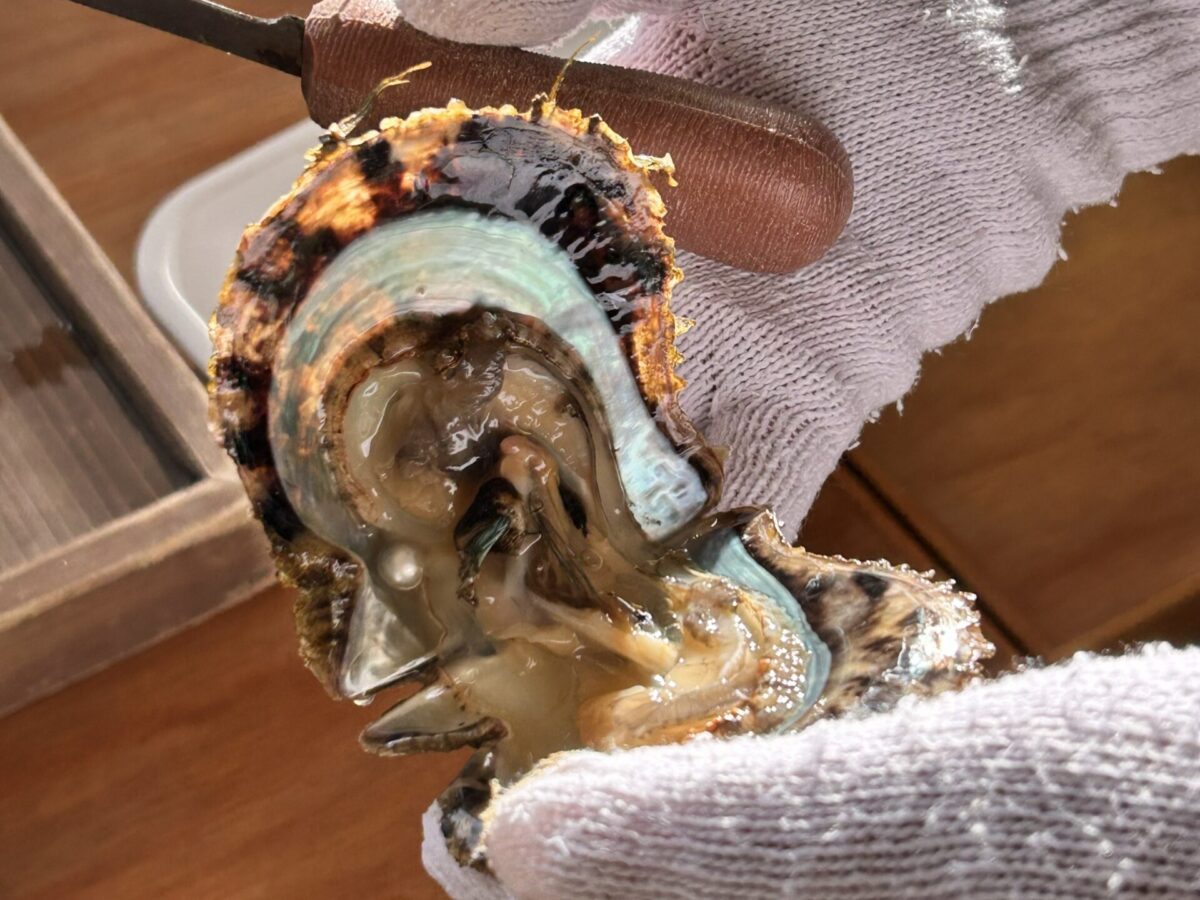
Why not experience the thrill of harvesting your very own pearl from an Akoya oyster nurtured in the pristine waters of Ise-Shima?
Under the gentle guidance of local experts, you will carefully open an oyster to reveal the shimmering treasure hidden within. Since every pearl is formed by a living organism, each one is unique in color and shape—truly a one-of-a-kind gift from nature. After the harvest, you can choose to have your pearl set into a beautiful pendant or brooch, creating a lasting memento of your journey.
Touching the brilliance that took years for a “life” to create is a profound experience. The moment you hold that pearl in your palm, you will feel a deeper connection to the sacred cycles of the sea.
A journey to Ise-Shima is more than a simple visit; it is an invitation to immerse yourself in a pure cycle of nature and spirit that has endured for millennia.
From the winds whispering through sacred forests to the azure seas protected by the Ama, and the shimmering pearls nurtured by human hands—every element here serves as a gentle reminder of what truly matters.
Just as travelers have sought these hallowed grounds for centuries, we invite you to experience your own moment of Tokowaka – the eternal renewal of mind and body.
Ise-Shima awaits you.
Come and find your inner calm, rediscover your true self, and become part of our sacred story.