Discover Fukue Island: A Hidden Gem of Japanese History and Serenity
The Goto Islands, gracefully situated off the coast of Nagasaki, are a realm of dazzling natural beauty and profound history. Fukue Island, the archipelago’s gateway, invites travelers to step away from the bustle of modern life and, surprisingly, delve into the very final chapter of the Samurai era.
This is your invitation to explore the timeless history of Fukue Castle and wander the dramatic silence of the samurai residential streets.
Fukue Castle: The Last Bastion of the Samurai Spirit
Fukue Castle holds a unique place in Japanese history. It was completed in 1863, just five years before the Meiji Restoration formally ended the age of the Samurai, earning it the distinction of being one of the last castles ever built in Japan.
A Castle Against the Tides
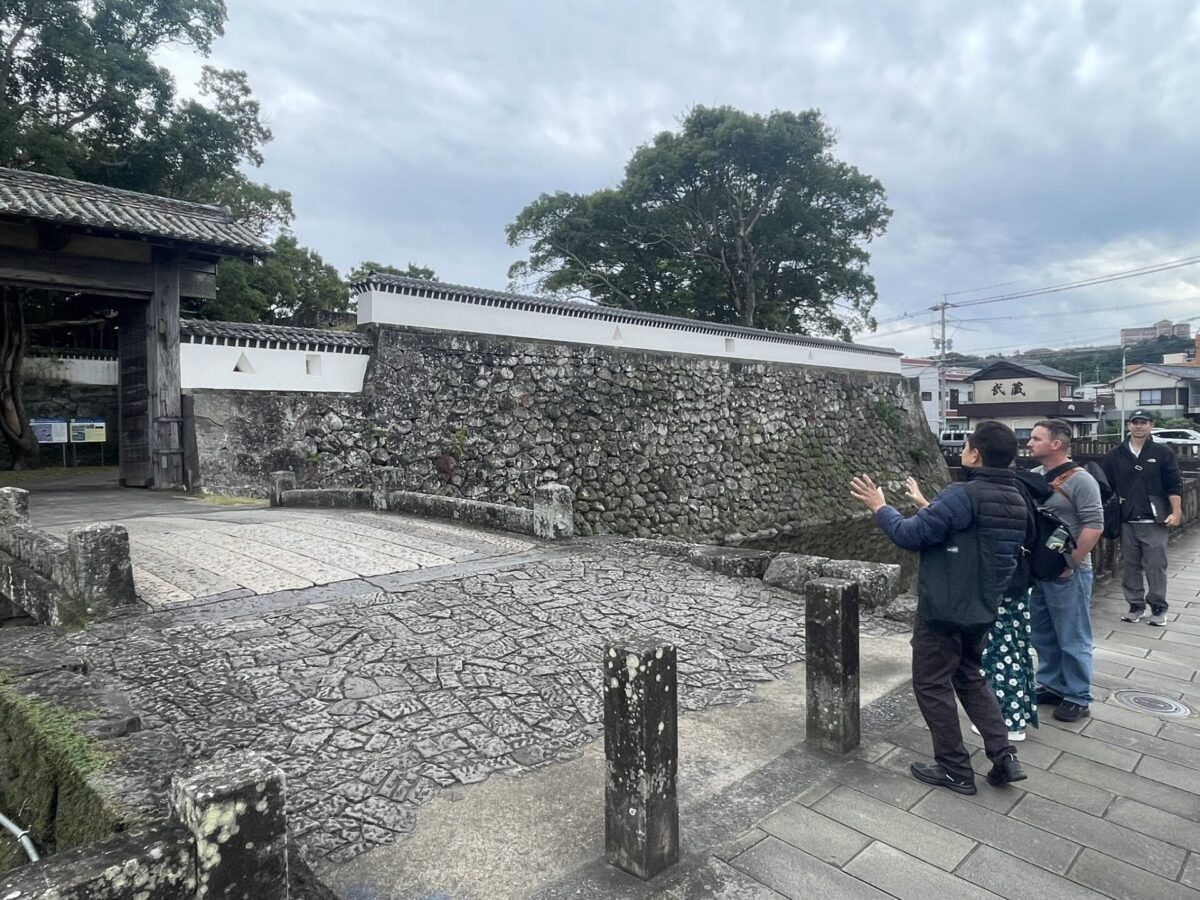
The castle’s completion occurred during a tumultuous time, as the age of the Samurai was rapidly approaching its end.
- In the mid-19th century, numerous foreign ships approached the Japanese coast seeking trade. At the time, Japan maintained its Sakoku (closed country) policy. It had been in place since the mid-17th century, trading only with China, Korea, and the Netherlands.
- To defend Japan from the threat of foreign ships, the castle was built strategically on Fukue, the entrance to the outer sea. This fortress represents the Goto clan lord’s final, resolute commitment to protecting his domain and demonstrating loyalty to the Shogun.
- Fukue Castle is said to be the only umi-jiro (sea castle) in Japan surrounded by the sea on three sides. It was also equipped with cannons inside the walls.
- Tragically, just nine years after its completion, the castle was dismantled by the new government, which was focused on the Westernization of Japan.
The Beauty of Quiet Heritage
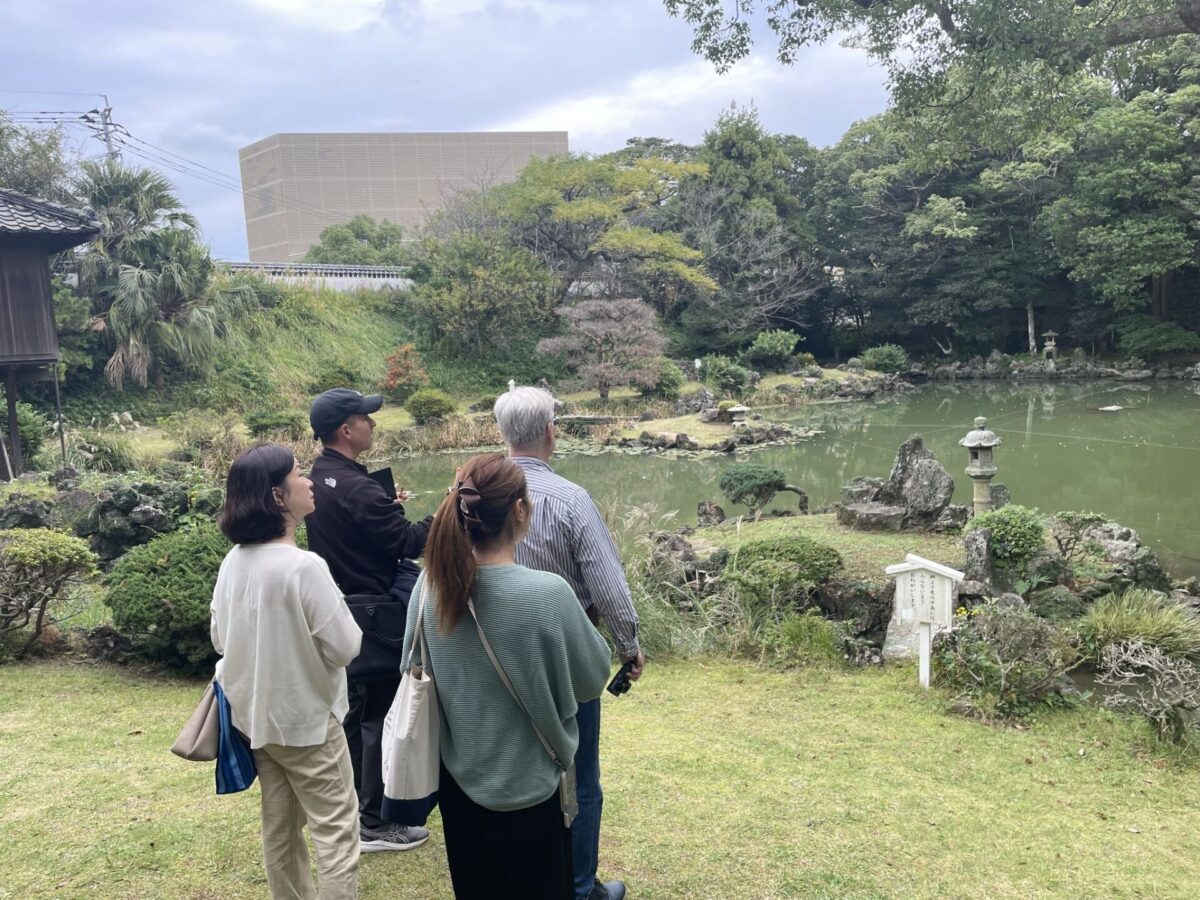
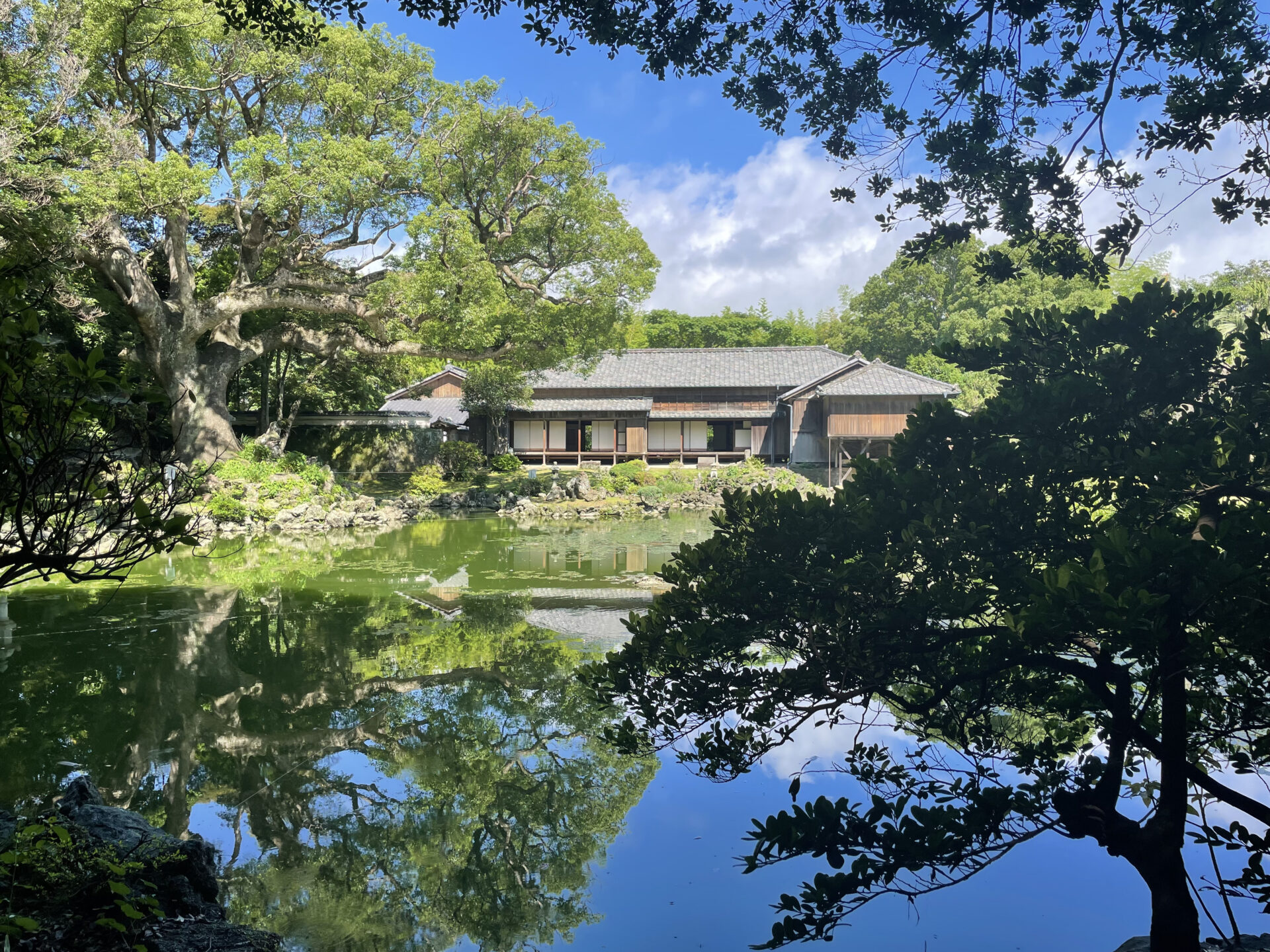
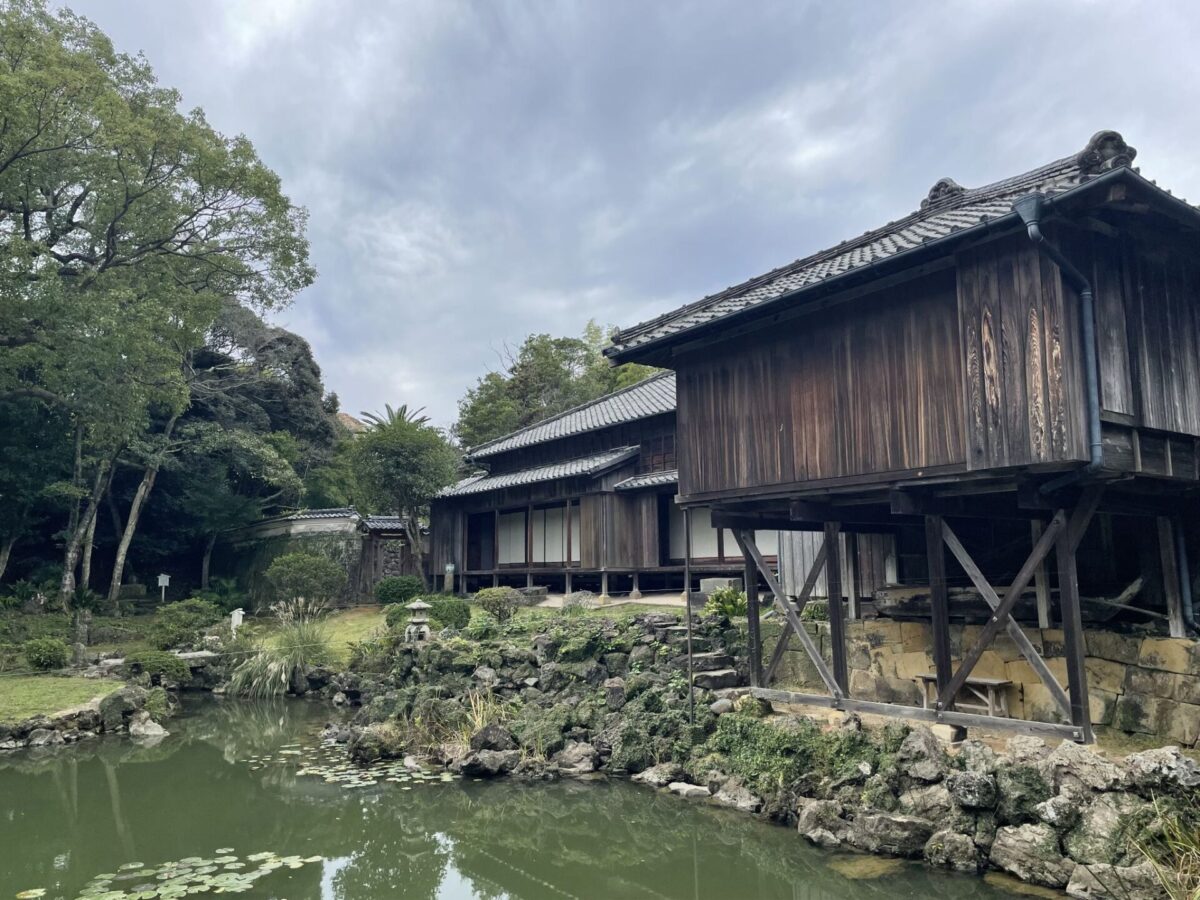
A residence with a Japanese garden, built in 1861 as the home for the 30th Lord of the Goto family to retire in, remains preserved in a corner of the Fukue Castle grounds.
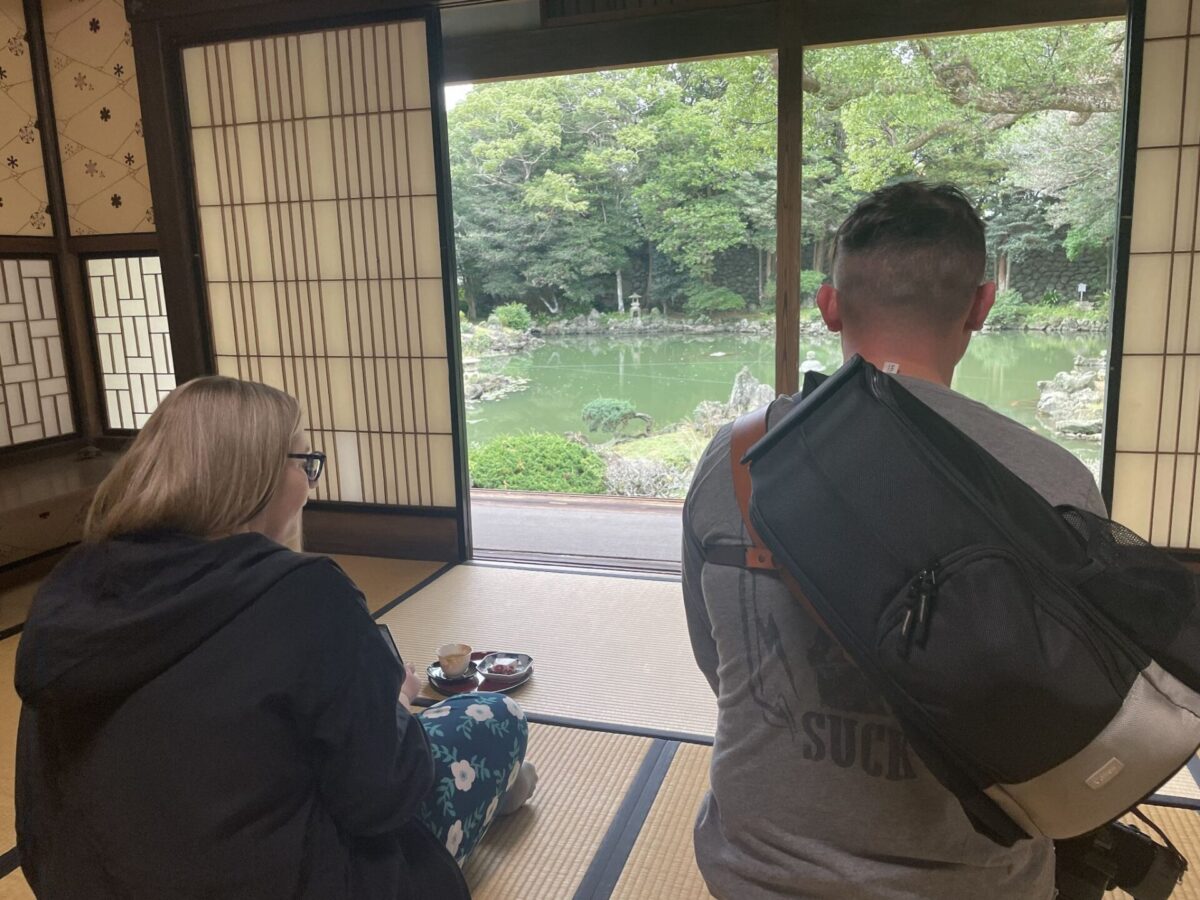
- The Garden’s Unique Fusion: The garden, created by a Buddhist priest from Kyoto, is modeled after the pond at Kyoto’s Kinkaku-ji Temple, giving it a refined elegance. However, its characteristics truly unique to Goto include the use of lava stone from Mount Onidake, Fukue’s symbolic volcano, for the garden rocks and artificial hills, and the planting of subtropical species like Areca palms and Sago cycads.
- Symbolism in Stone: An ancient camphor tree, over 800 years old, stands by the pond. The pond itself, shaped like the Japanese character for “heart” (shin, 心), features stones placed throughout that resemble tortoises;a tribute to a lord who was fond of the animal.
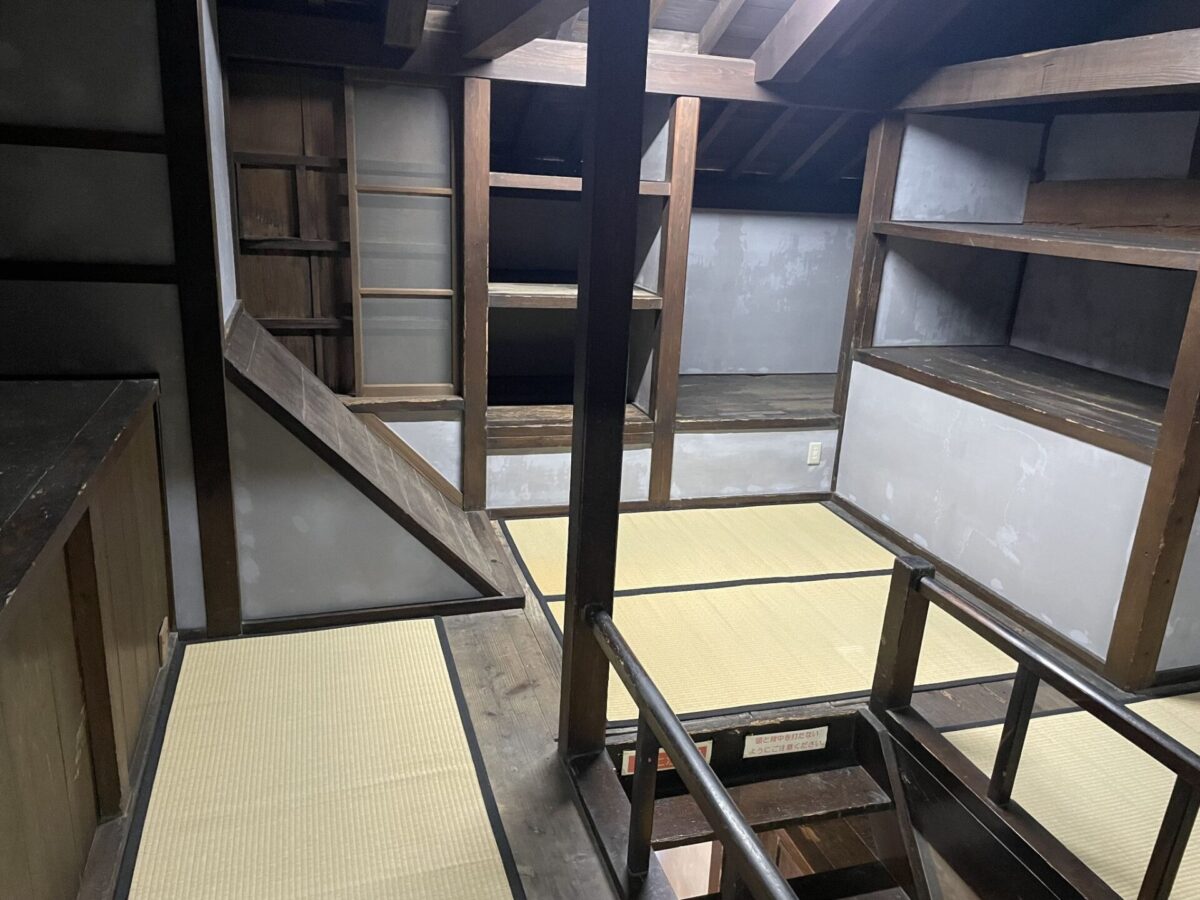
- The Residence’s Secrets: Inside the residence, you will find many surprises: elegant and tasteful rooms that each have different designs, and even a “Ninja Mansion”-like section with hidden doors that lead to escape routes for use in case of enemy invasion.
Residential Samurai Streets: Where Time Stands Still
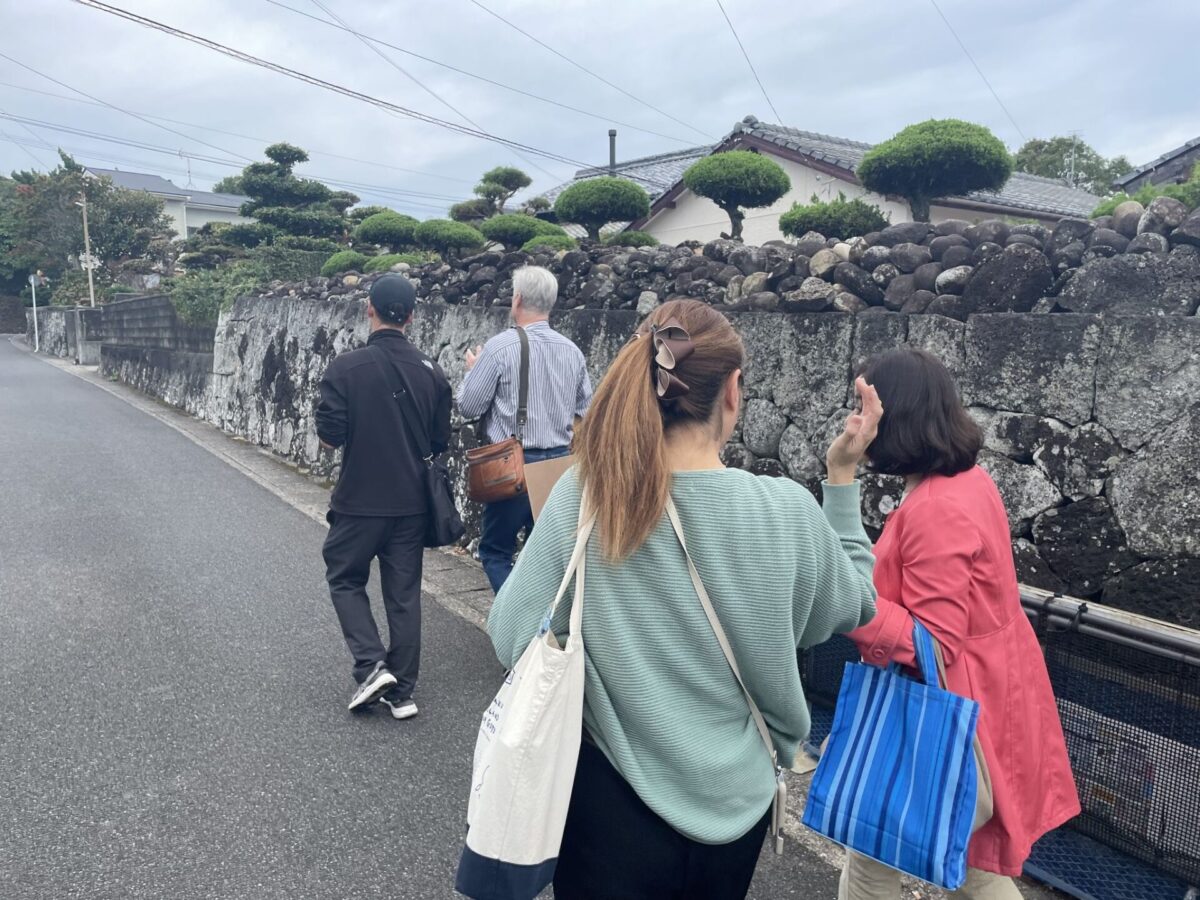
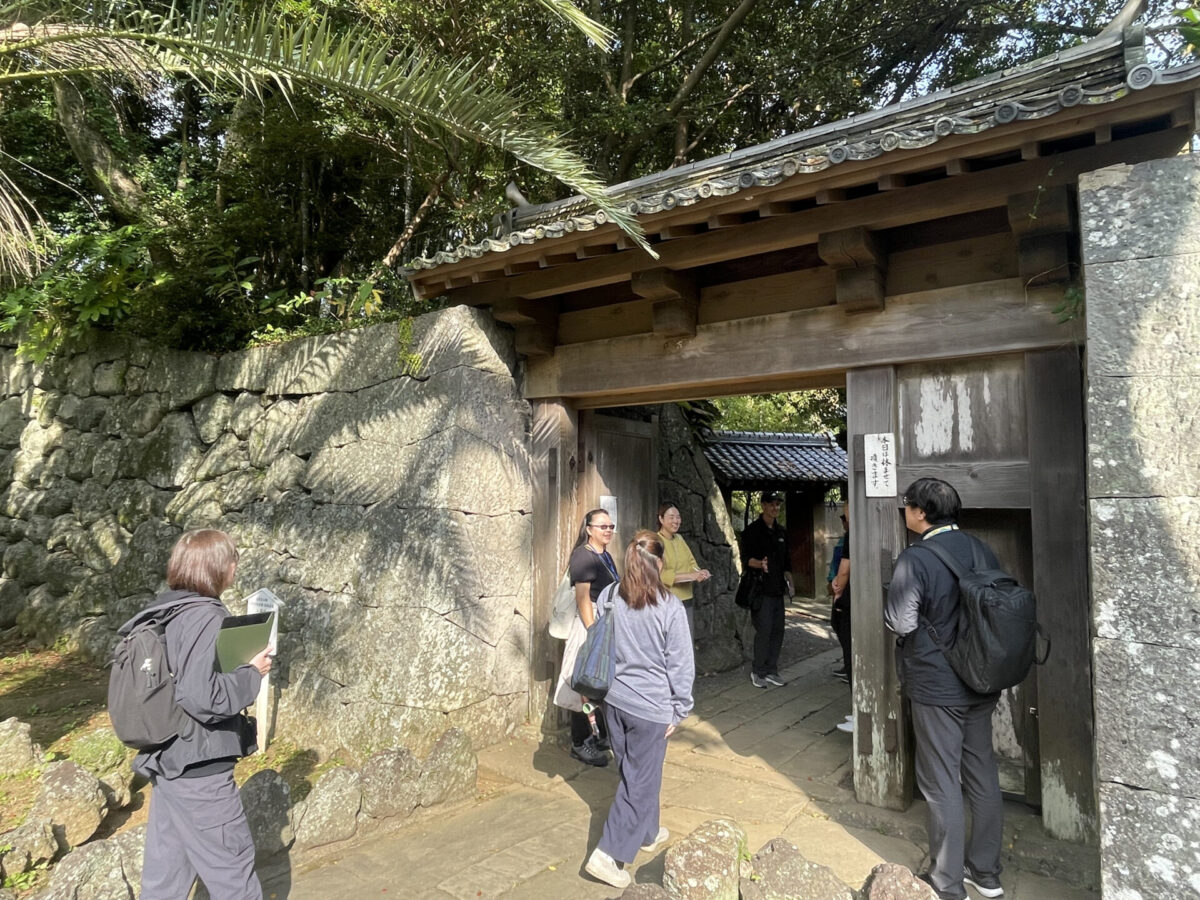
Just south of Fukue Castle lies a residential Samurai Street. Walking through feels like a journey back to the age of the Samurai. This area, where the residences of middle-ranking Samurai once lined the street, is remarkably well-preserved.
The Volcanic Stone Wall Defense
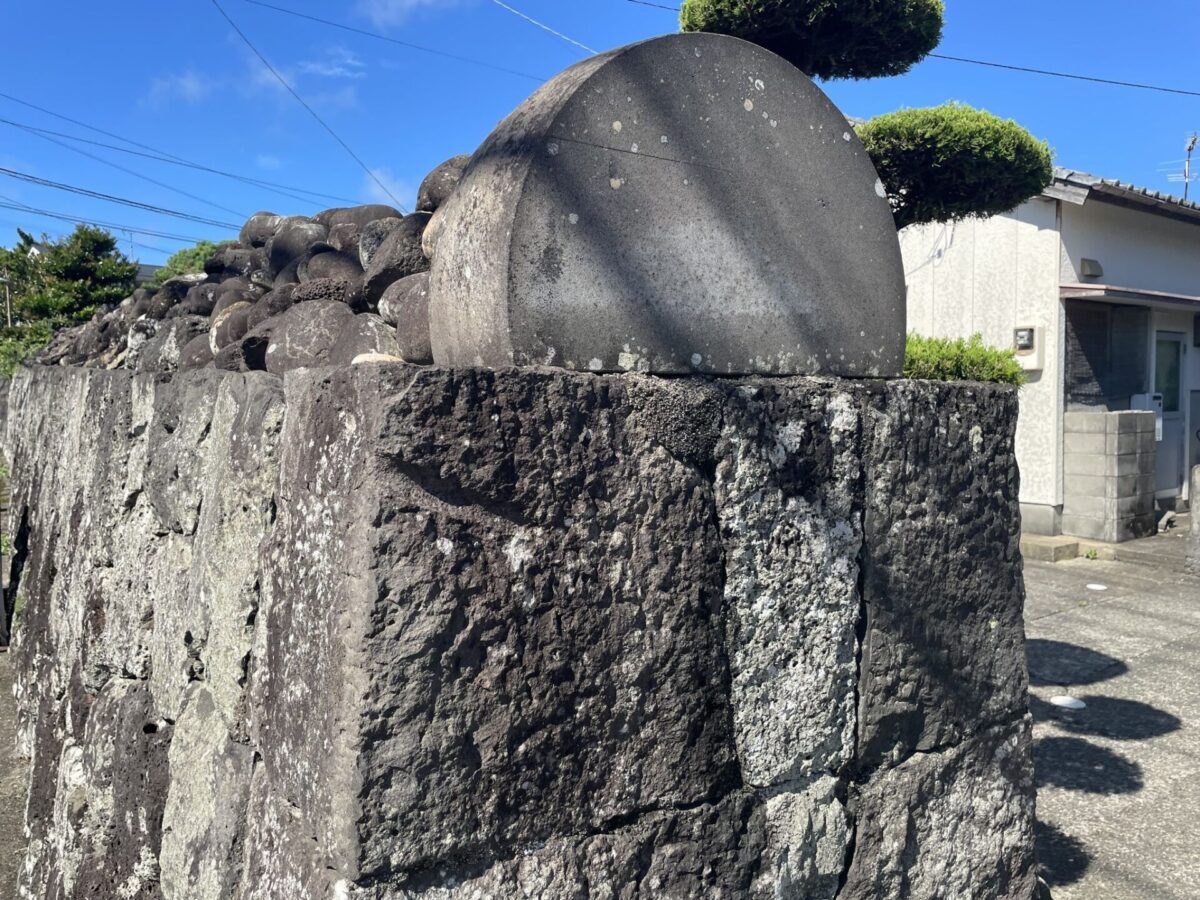
The most distinctive feature of this street is its unique stone wall construction.
- The stone used for the Samurai residences’ surrounding walls is cooled lava that flowed out of volcanoes like Mount Onidake when it erupted; a perfect example of skillful use of the island’s geological makeup.
- The stone walls here have a particularly rare structure, featuring smooth river stones (tama-ishi) resting on top of tightly stacked, cut stones. One theory suggests that if someone attempted to intrude into a residence by climbing the wall, the stones would tumble and alert the residents.
Local Specialties: Taste and Tradition of Fukue Island
To enrich your stay on Fukue Island, get to know special local products crafted from the island’s climate and culture.
Baramon Kites: A Gallant Symbol Soaring in the Sky
Baramon Kites (Baramon Dako) are traditional kites passed down among the Goto Islands. Its distinctive design and name carry the island’s history and strength.
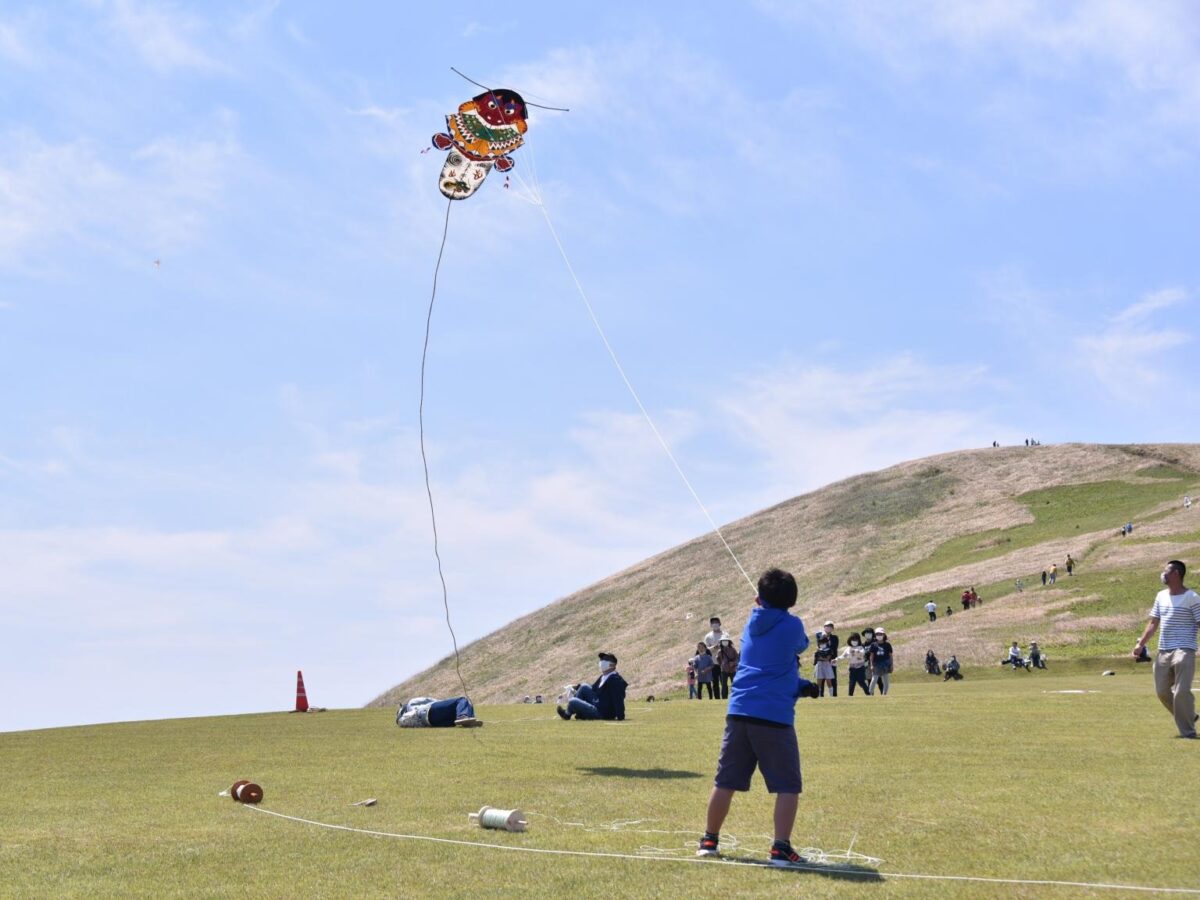
- Design and Meaning: The kites feature a fierce Demon face. The name “Baramon” is widely believed to originate from the Portuguese word baramont, meaning “heretic” or “barbarian.” This fearsome face serves as an Amulet against evil, warding off disaster and bad luck.
- A Symbol of Growth: They are traditionally given as gifts to celebrate the birth or the first seasonal festival of a boy, wishing for healthy growth and success.
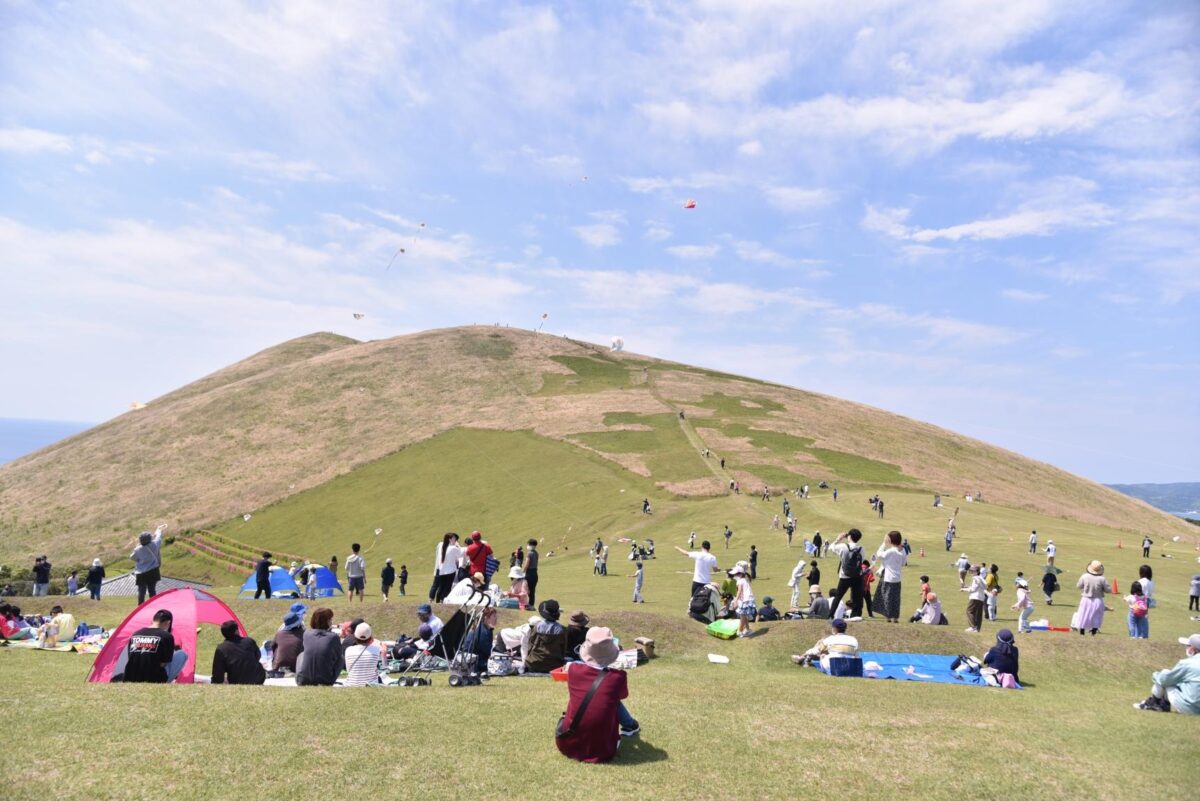
- Experience: Every May, a Baramon Kite flying event is held, often on Mount Onidake. The kites are also popular as palm-sized crafts and souvenirs. You can even try your hand at painting your own Baramon Kite to take home as a memorable souvenir of your trip.
Camellia Tea: The Healthy Blessing of the Island
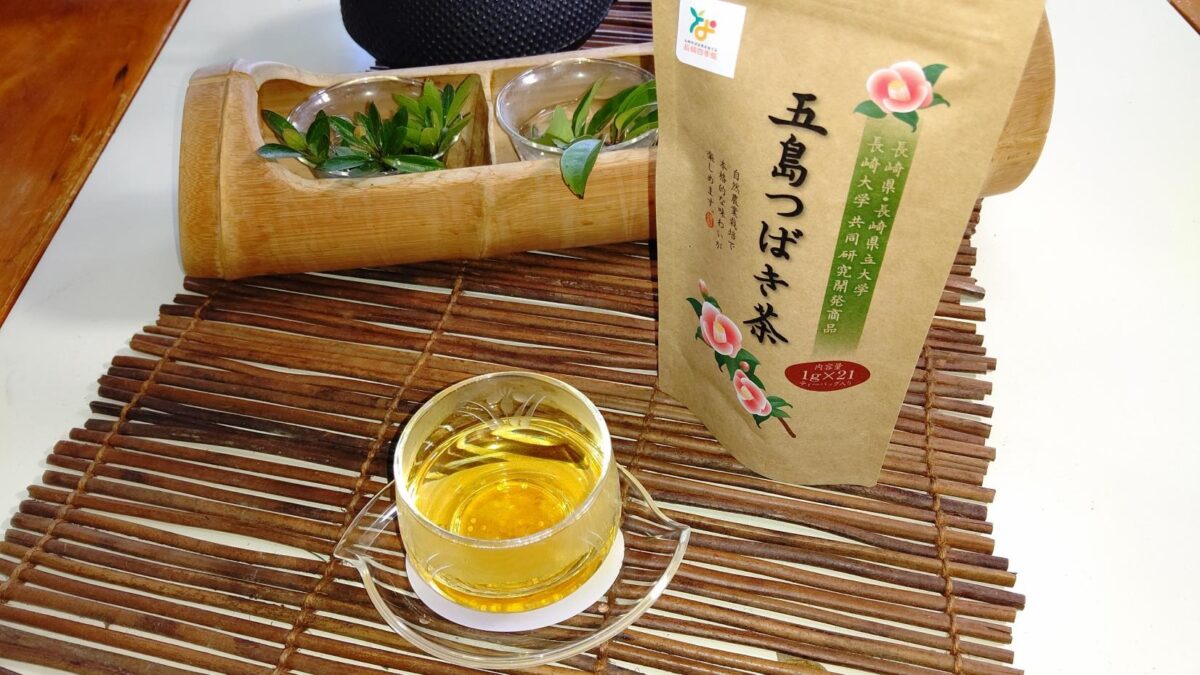
The Goto Islands are known for their vast, wild forests of Japanese Camellia (Yabutsubaki).
- Oil and Tea: Oil extracted from the seeds of the wild Camellia has been prized since ancient times for cosmetics and cooking. More recently, Camellia Tea (Tsubaki Cha), made from the leaves of this plant, has gained attention among health-conscious travelers.
- Benefits: Camellia Tea is naturally caffeine-free, making it a great choice at night. It is believed to contain polyphenols, making it an excellent souvenir for those interested in beauty and healthcare.
- The Taste of Nature: Characterized by a subtle sweetness and a clean, refreshing taste, it offers a flavor that is distinct from typical Japanese green tea, allowing you to feel the calm nature of the island.
If Fukue Island seems like an amazing place to visit, you’re not wrong!
Here are some great tours you can attend to get the full experience and more:
Fukue Island is more than just a beautiful island, it is a place where the final, dramatic chapter of Japan’s samurai history, along with the wisdom and culture inherited across generations, comes alive.
A journey tracing the footsteps of the last Samurai, encountering unique stone-walled streets, and discovering the island’s own crafts and tastes, is sure to resonate deeply within your heart.