- The Strategic Soul of Aichi
- Japan’s “Fermentation Powerhouse”: a perfect balance of strategy and environment
- A Timeline of Aichi Fermentation
- Where to stay
- A One-Day Route Through Aichi’s Fermentation History
- Conclusion: Fermentation as the Heart of Aichi’s Cultural Identity
The Strategic Soul of Aichi
Aichi’s soul is not found so much in grand sights, but more in the deep, resonant umami of its fermented foods: a flavor forged by the samurai class. During the intense Sengoku and Edo periods, fermentation was more than just flavor; it was a strategic necessity, a “power bar” for warriors on long campaigns. This military need directly birthed the “red food culture” that Aichi is celebrated for today.
The values of self-sufficiency and frugality were centered around the samurai class, shared throughout Edo society, and this social background fostered a manufacturing culture that avoided wasting raw materials or by-products.
One example of this is the technique used to transform sake lees, a former by-product, into high-quality vinegar. This type of interdependent manufacturing could be considered a symbol of the ideas of rationality and coexistence that were deeply rooted in society at the time.
Japan’s “Fermentation Powerhouse”: a perfect balance of strategy and environment
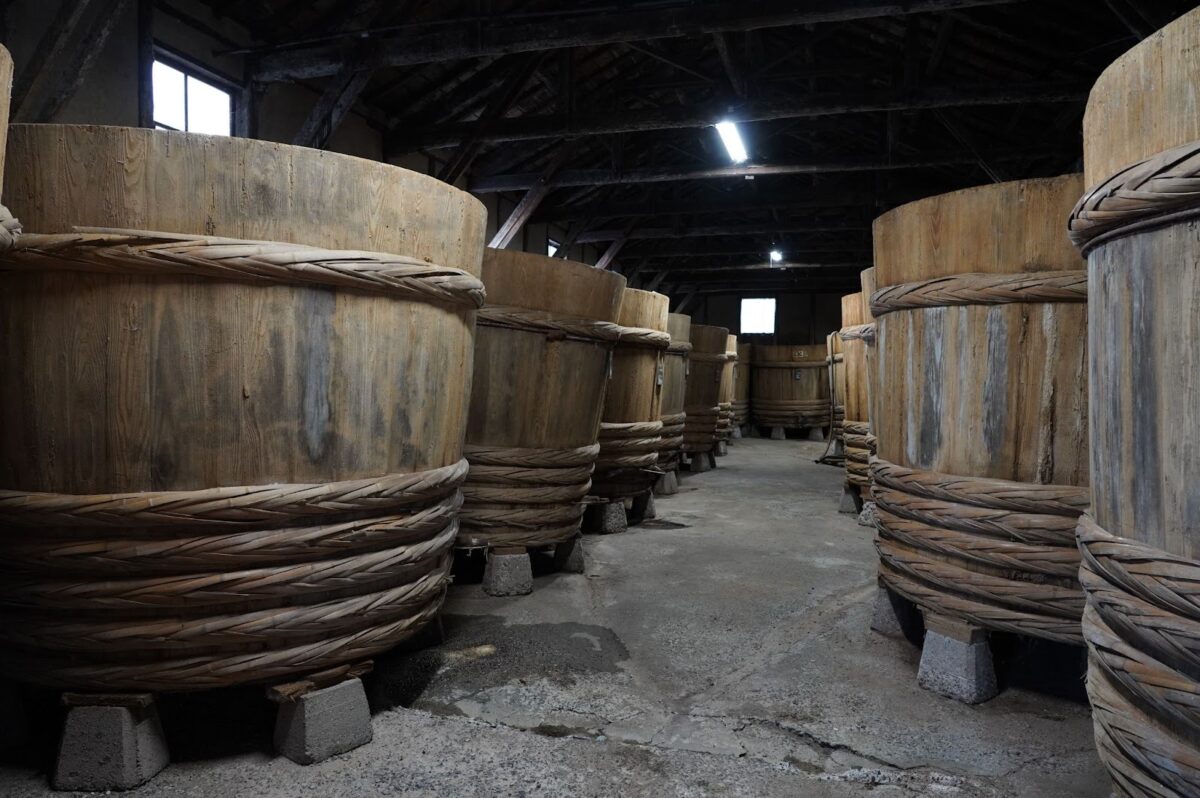
- Strategic Logistics: The close trade relationship with the Tokugawa shogunate in Edo was vital. Efficient coastal shipping, aided by favorable seasonal winds, guaranteed a reliable supply of miso, soy sauce, vinegar, and sake as essential provisions and tribute. This cemented the region’s prosperity and influence.
- Ideal Climate: Warm, humid weather and pure water from the Kiso, Ibi, and Nagara rivers created the perfect environment for koji, a special type of mold which is the backbone of fermentation, to thrive.
- The Three Pillars: This synergy perfected the Aichi staples: Mame Miso (red soybean miso), Tamari Shoyu (soy sauce), and Mikawa Mirin.
Today, this storied past is savored in every bite of “Nagoya-meshi,” and in many dishes beloved across Japan. Dishes like miso-katsu, hitsumabushi, and miso-nikomi udon are not just local fare; they are bold, layered expressions of a culture shaped by centuries of fermentation and samurai discipline. Even globally famous foods like sushi trace their roots back to the preservation and flavoring techniques perfected in this samurai-influenced era. In the case of sushi, while it has an extremely long history going back many centuries, the “edomae” style that many enjoy today was heavily influenced by aichi’s fermentation industry. Aichi’s appeal reveals itself through this heritage of flavor, celebrating innovation, resourcefulness, and mindful heritage.
A Timeline of Aichi Fermentation
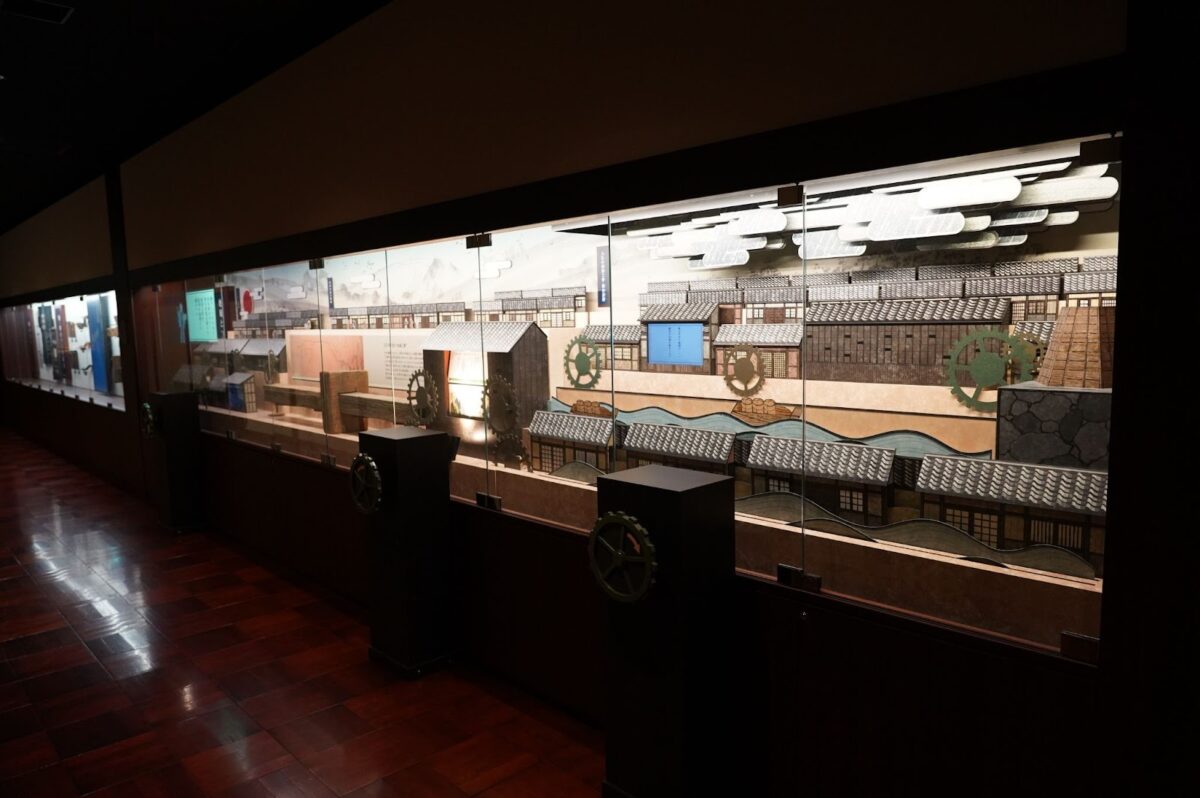
Discover how the fermentation industry developed in the scope of the culture and economy of the times, and how some manufacturers still exist and thrive today.
Sengoku Period (1467–1615)
The Sengoku Period, often called the “Warring States Period,” was an era of intense civil war and social upheaval in Japan. Centralized authority collapsed, leaving powerful regional military governors (daimyō) to constantly fight each other for control, leading to a period where military necessity, including efficient food preservation, became paramount. This tumultuous time ended with the reunification of Japan by key figures like Oda Nobunaga, Toyotomi Hideyoshi, and Ieyasu Tokugawa setting the stage for the Tokugawa Shogunate.
Nobunaga Oda (1534–1582)
A powerful Japanese daimyō known for initiating the unification of Japan during the late 16th century.
Hideyoshi Toyotomi (1537–1598)
A samurai who rose from peasant origins to become one of the most significant figures in Japanese history, succeeding Oda Nobunaga and completing the unification of Japan.
Tokugawa Ieyasu (1543–1616)
A powerful daimyō and strategic leader who emerged victorious after Toyotomi Hideyoshi’s death, establishing the Tokugawa Shogunate and ushering in more than 250 years of political stability in Japan.
From Samurai Rations to “Nagoya-meshi”
The Power of Fermentation: The unique, long-fermented Mame Miso known as “Hatcho Miso” was more than just a seasoning; it was a foundational element of strategic success and longevity in Japan.
A Power Bar for Leaders and Soldiers
Longevity through Diet: Shogun Tokugawa Ieyasu, who lived to the remarkable age of 75 (compared to an average life expectancy of 40 or less at the time), attributed his health and “source of victory” to a frugal diet centered on brown rice and Hatcho Miso. He continued to have his preferred miso shipped to him even after relocating to Edo.
Strategic Military Ration (Hyo-ryo): During the Sengoku period, Miso was the ideal military food. Its composition (made primarily from soybeans and salt) ensured durability and resistance to extreme temperatures, making it stable for long campaigns. Soldiers carried miso-dama (miso balls), a portable, high-protein, and salt-rich ration that could be instantly dissolved in hot water for soup; something that might be seen as a predecessor to modern instant meals.
Traditional Origin and Production
The Name: “Hatcho” derives from the location where it originated: Hatcho village (now Okazaki City, Aichi), situated exactly eight (pronounced “ha” in this case) cho (about 870 meters) west of Okazaki Castle, Ieyasu’s birthplace.
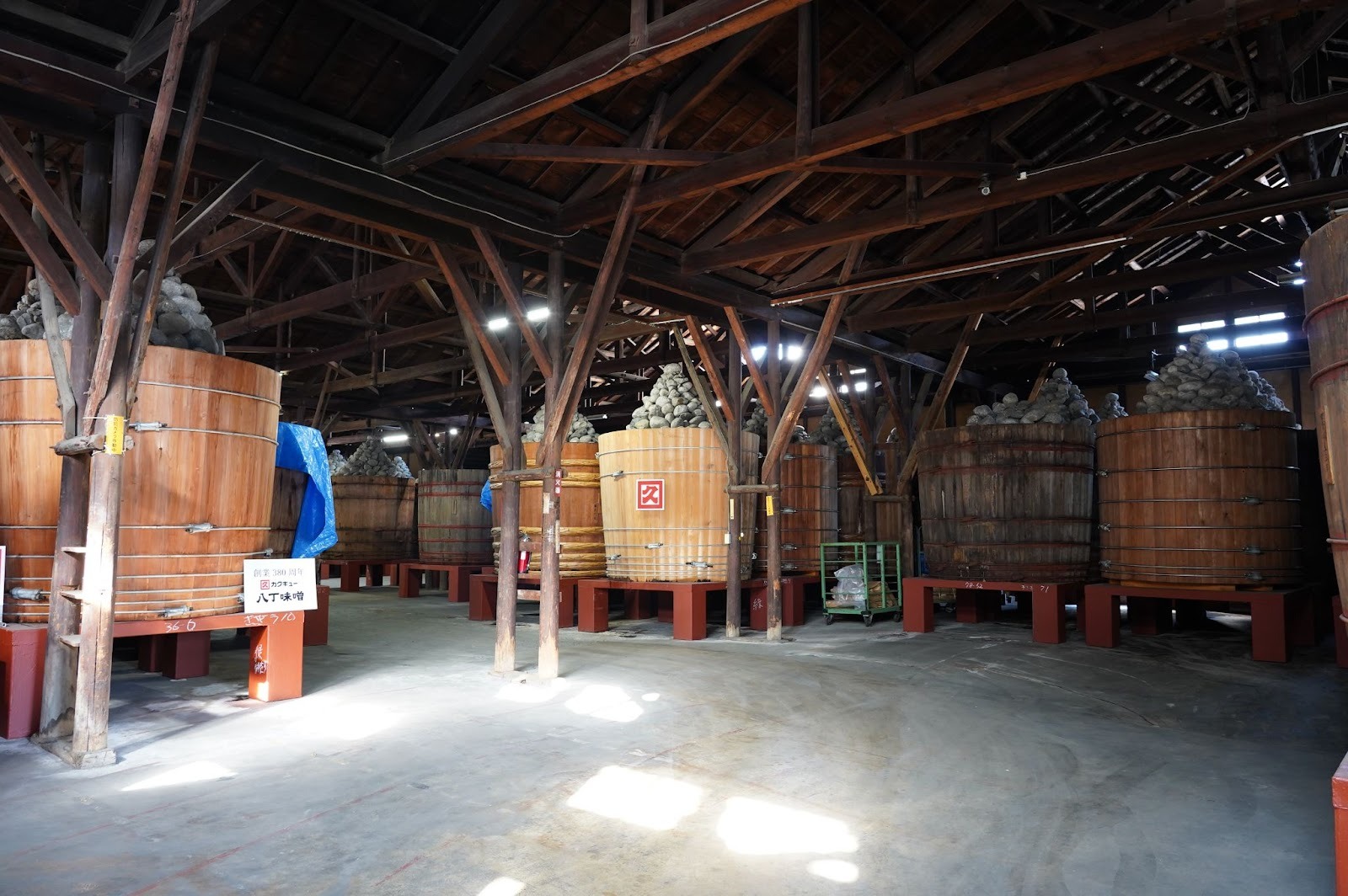
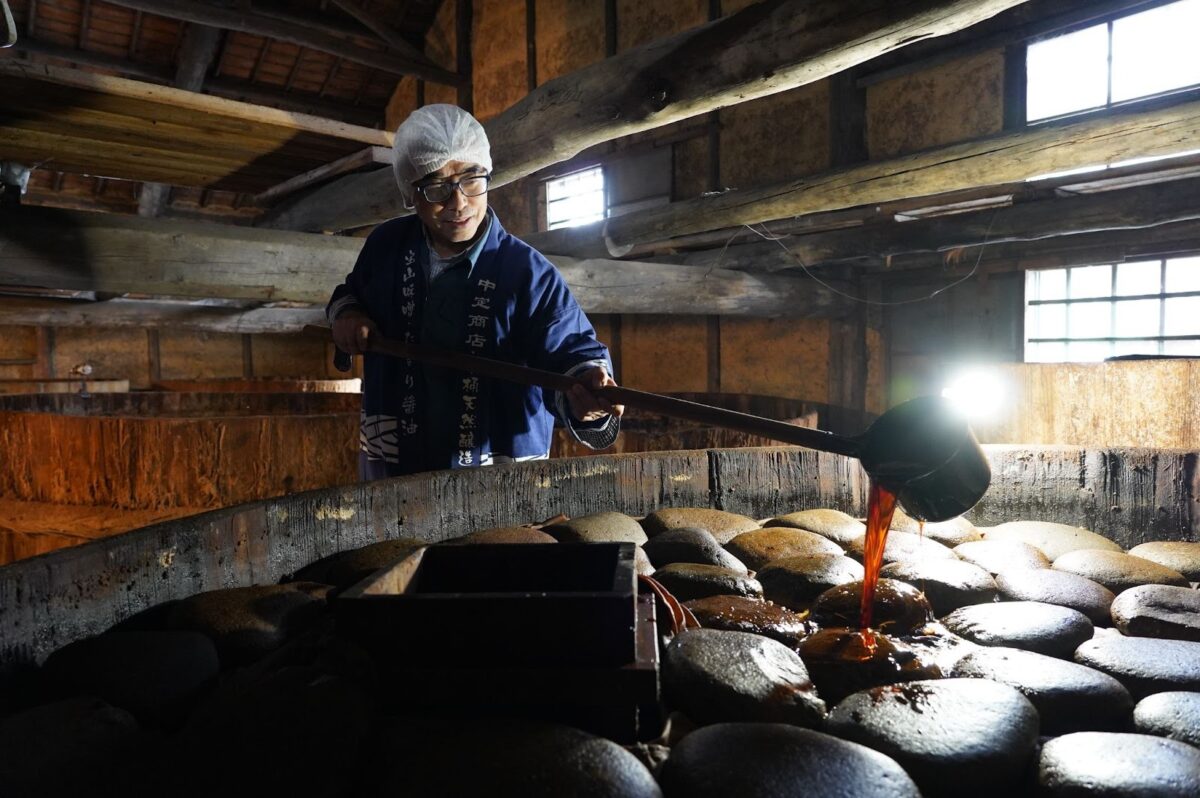
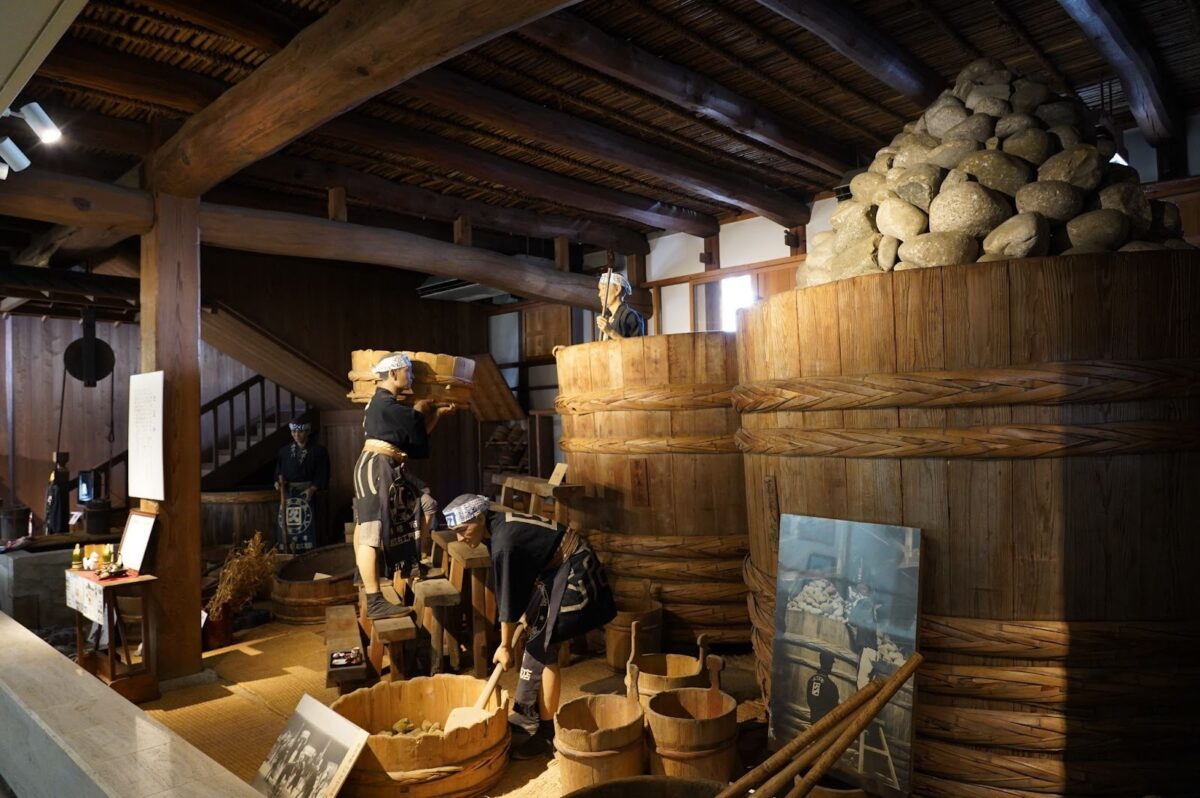
Unique Method: This Mame Miso uses only soybeans and salt (no rice or barley). It is aged for approximately over 2 years in massive cedar vats, with its surface meticulously weighed down by hand-stacked river stones to ensure air exclusion and a dense, concentrated result.
Modern Legacy and Global Recognition
Hatcho Miso remains a powerful symbol of Aichi Prefecture’s “red food culture.” Its exceptional stability and nutritional value have led to its use as a staple in various ways. Today, this high-nutrition natural food is gaining international attention across Europe and America, testifying to its enduring relevance.
Ultimately, the intensity and nutritional foundation provided by this unique fermented food shaped not only Aichi’s local cuisine (like Miso-katsu and Miso-nikomi Udon) but also had a subtle yet profound influence on Japan’s history.
Edo Period (1603–1868)
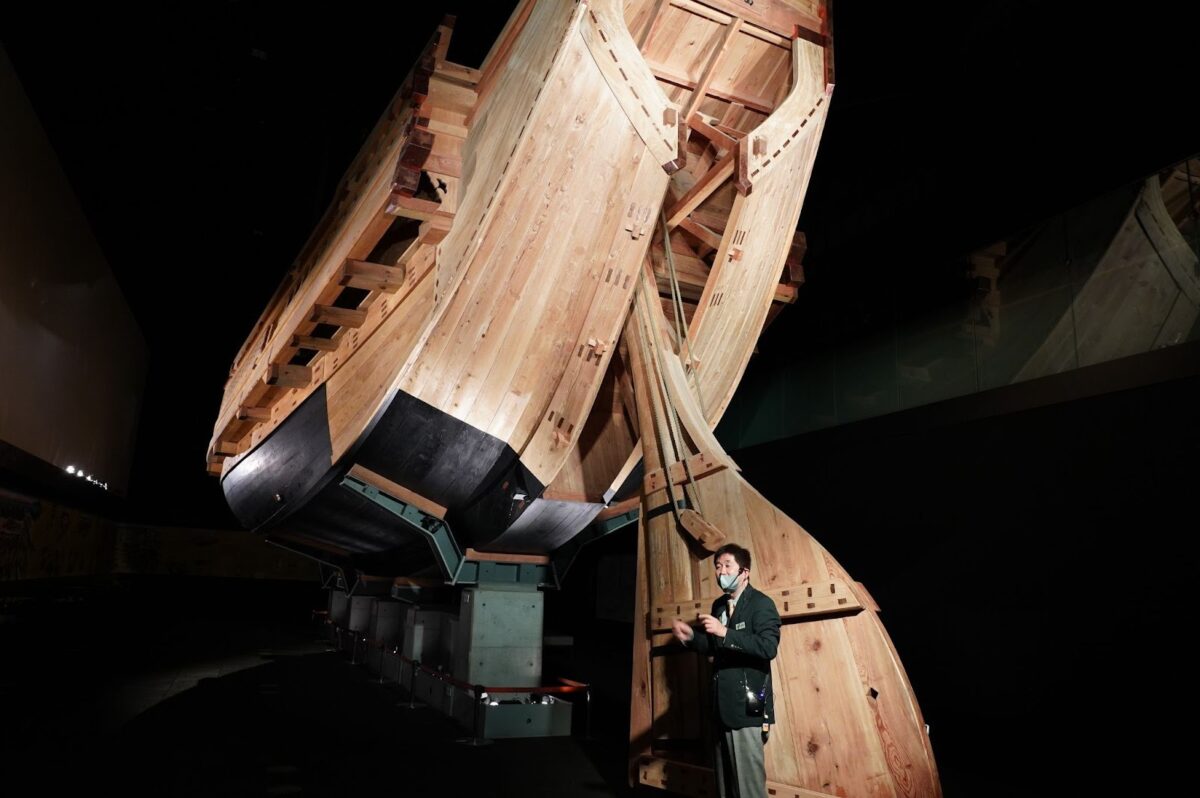
As the nation moved from war to long-term stability under the Tokugawa Shogunate, Aichi’s fermented foods transitioned from military rations to pillars of a flourishing merchant culture.
This period marked an era of strict isolation and unprecedented domestic peace following the unification of Japan by the Tokugawa Shogunate. This long period of stability allowed for the flourishing of a rigid social structure, a vibrant urban merchant culture, and the development of refined arts and cuisine in Japan’s major cities This accelerated the shift of fermented foods from primarily military provisions to widely traded commercial commodities.
Tokugawa Ieyasu: The Architect of Fermentation Culture
When talking about fermentation and the edo period, it is imperative to know about Ieyasu Tokugawa, born in Mikawa, who embodied the region’s relationship with food. Ieyasu lived to 75 years old, nearly double the typical life expectancy of 30–40 which was largely credited to his disciplined diet of simple, fermented foods. His thrifty and efficient nature influenced a production style that focused on concentrated, reliable flavors.
Edo-era manufacturers you can visit today
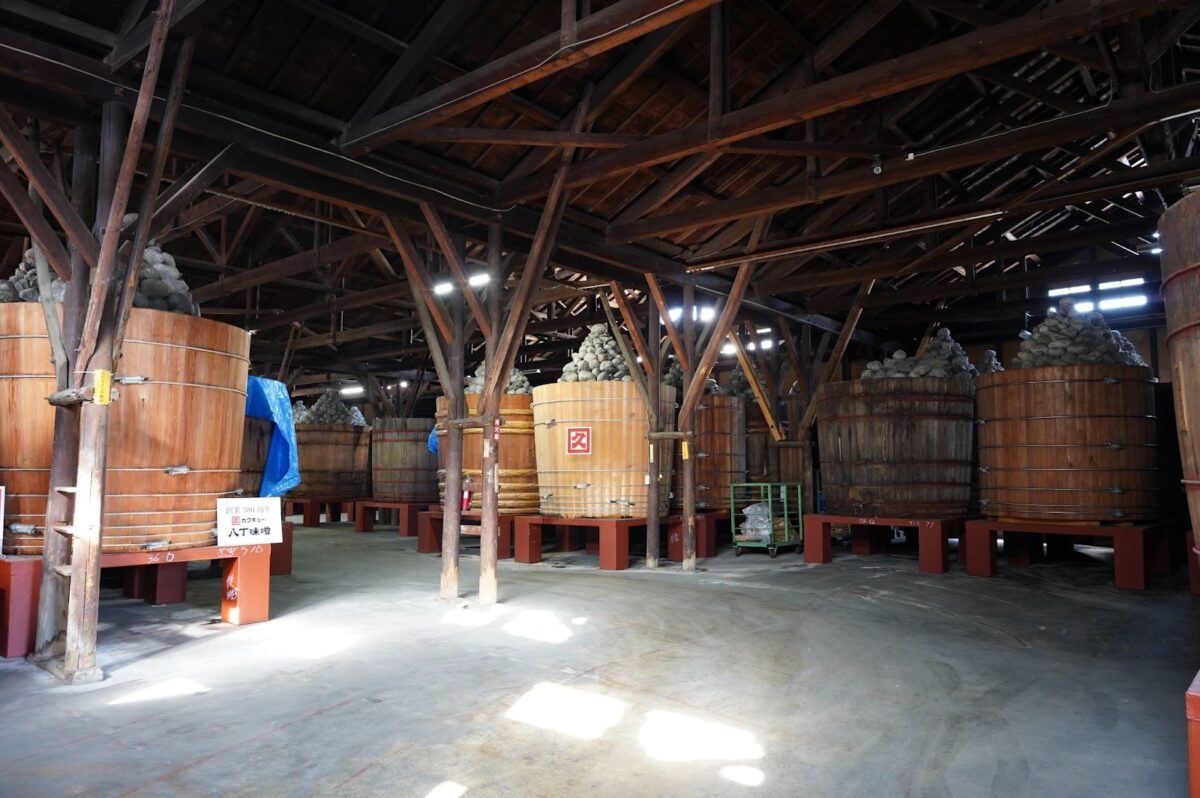
Kakukyu Hatcho Miso Traditional Brewery (1645)
Located exactly eight cho (870m) from Okazaki Castle, this proximity to the center of Tokugawa power established its credentials early. Kakukyu is the standard-bearer for Hatcho Miso, a darker, richer variety of soybean paste that is aged for a minimum of two summers.
Address: 69 Hatcho-cho, Okazaki City, Aichi Prefecture
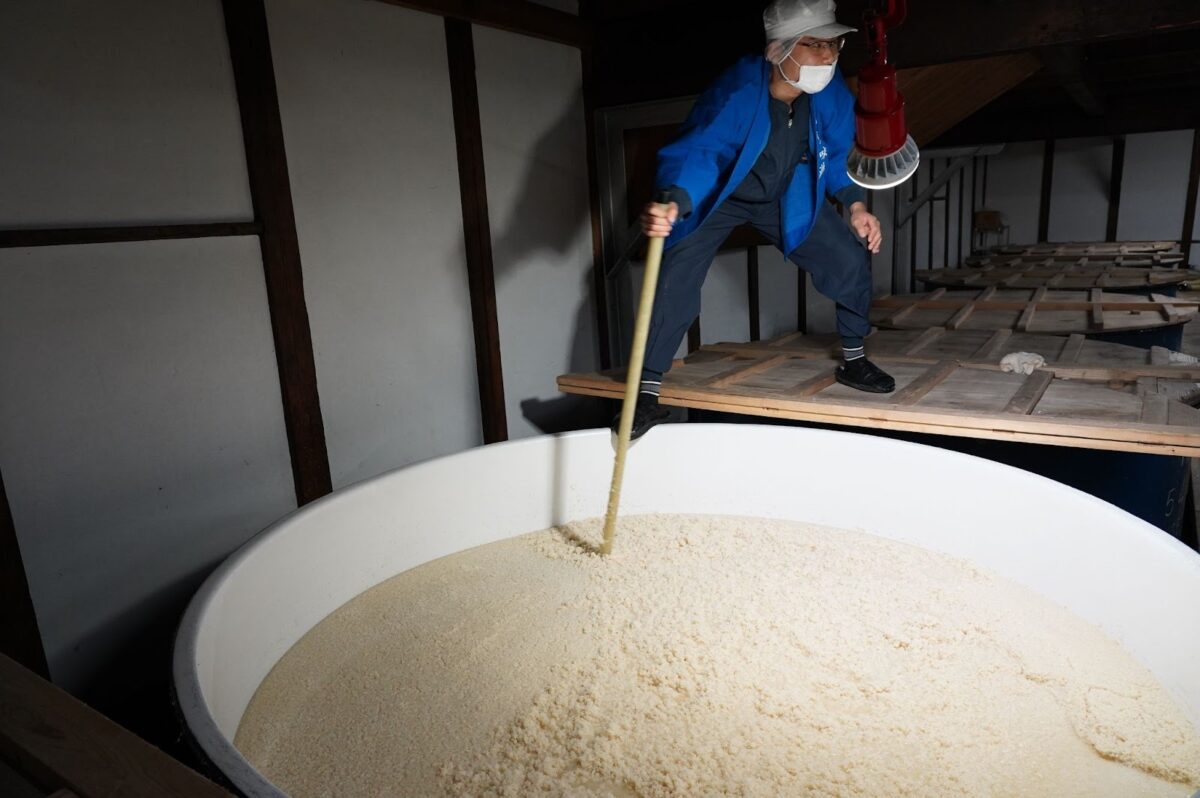
Kokonoe Mirin (1772)
As one of Japan’s oldest Mirin brewery, Kokonoe has centuries of experience perfecting the art of sweet rice wine. Initially an expensive beverage popular among the warrior class, Kokonoe’s production methods transformed Mirin into a versatile and essential culinary staple.
Website
Address:〒447-0845 Aichi, Hekinan, Hamaderamachi 2-11
Yamashin (1802)
Yamashin is a specialized refiner of Shiro Shoyu (white soy sauce), which uses a higher percentage of wheat (90%; normally 50%) than soybeans, resulting in a lighter color and sweeter profile, a striking contrast to standard koikuchi (dark soy sauce), which typically uses roughly equal parts soybeans and wheat. This subtle, amber-colored luxury was highly sought after by the Edo upper class.
Address: 3-36 Nishiyama-cho, Hekinan City, Aichi Prefecture
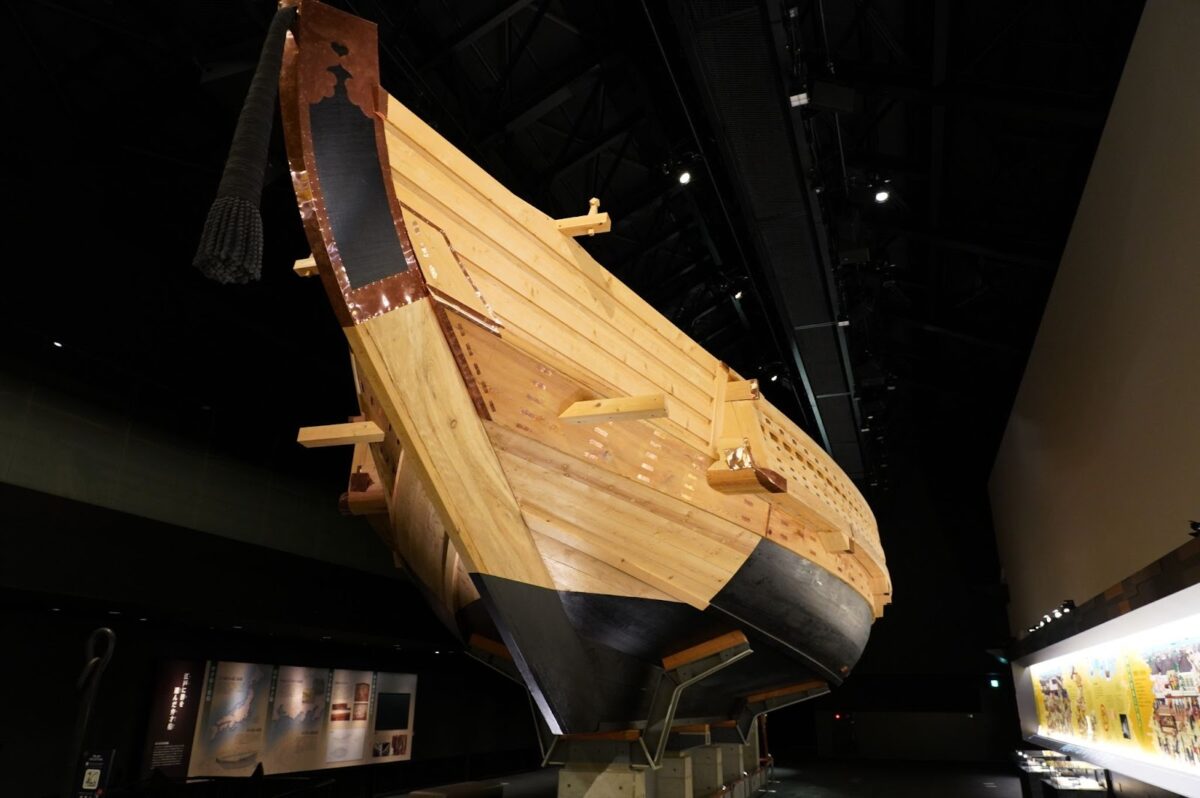
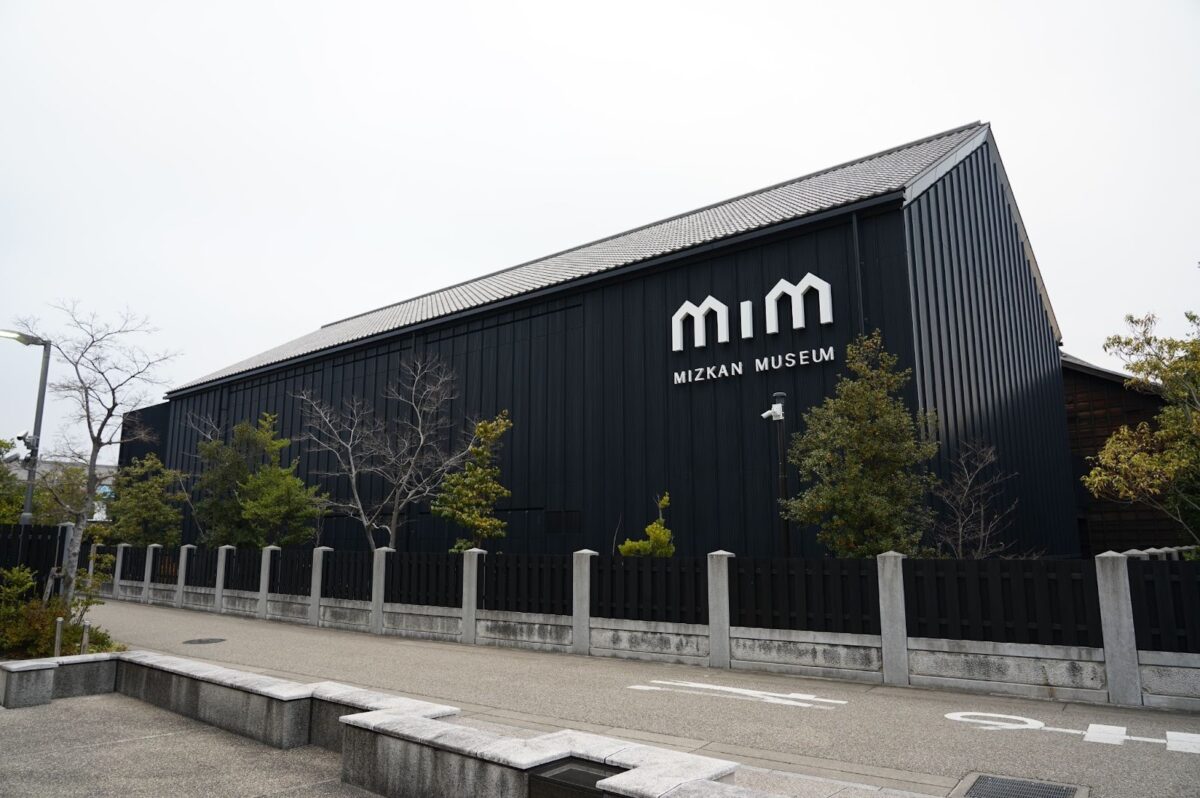
MIZKAN MUSEUM (1804)
Mizkan pioneered the technique of creating vinegar from the lees (sediment) left over from sake production, an efficient and flavorful method. This high-quality vinegar made from sake lees was a key ingredient that fueled the Edomae Sushi boom in the Shogun’s capital, providing the perfect balance for preserved fish.
Address: 2-6 Nakamura-cho, Handa, Aichi Prefecture
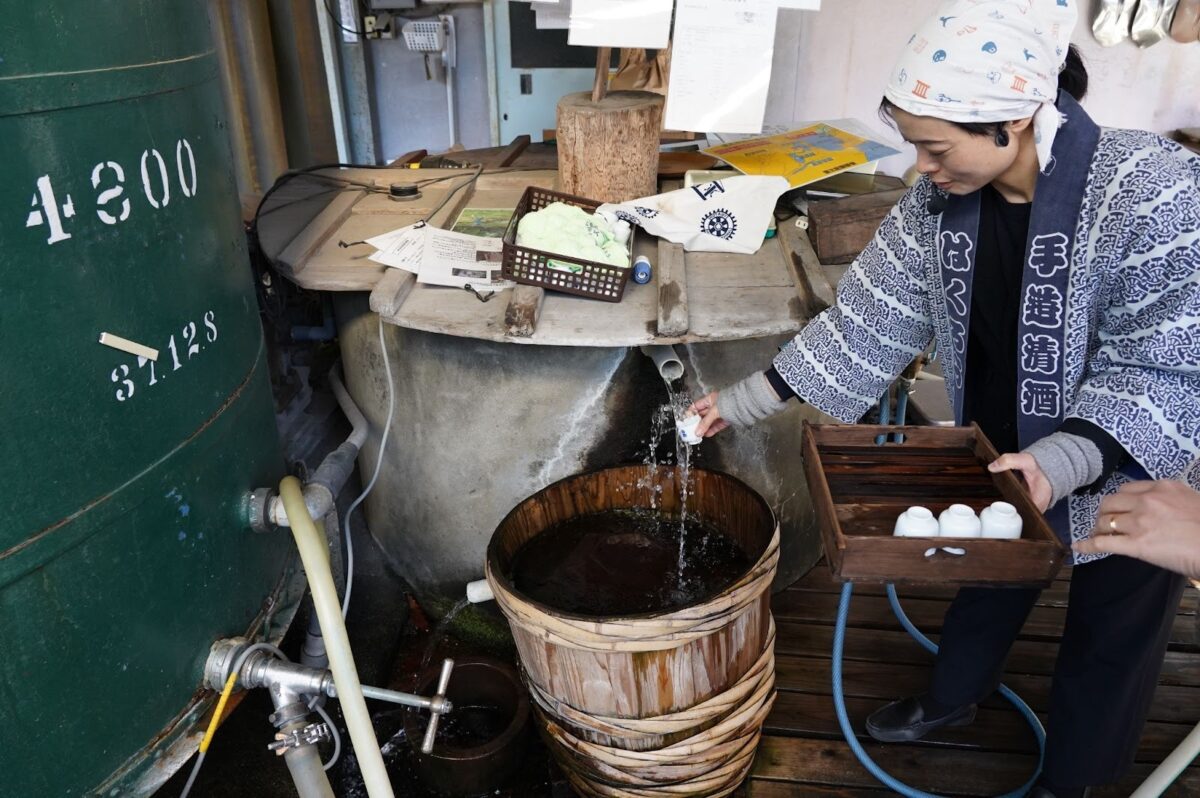
Sawada Shuzo (1848)
Founded on the Chita Peninsula, Sawada Shuzo sources “soft” water from a spring nearly two kilometers away via a private pipeline. Its buildings were designed to take advantage of local wind patterns, and during the Meiji period the brewery also served as a site for yeast experimentation and development. These traditions produced clear, consistent sake valued in Edo.
Address: 4-10 Koba-cho, Tokoname City, Aichi Prefecture
The Merchant Boom
Efficient maritime shipping routes, aided by favorable seasonal winds, allowed Aichi to ship massive quantities of miso, soy sauce, vinegar, and sake as supply to Edo, linking the regional economy to the political heart of Japan. This commercial success fostered the rise of specialized manufacturers (such as the ones mentioned above) who developed the techniques and standards that would define Aichi’s reputation for fermented goods.
Meiji Period (1868–1912)
The Meiji Restoration transitioned Japan from feudal rule to a modern, centralized state characterized by rapid Westernization and industrialization. For the fermentation industry, this period was crucial, demanding that manufacturers modernize production and business structures while fiercely preserving the traditional methods and microbial assets essential for high-quality miso and soy sauce.
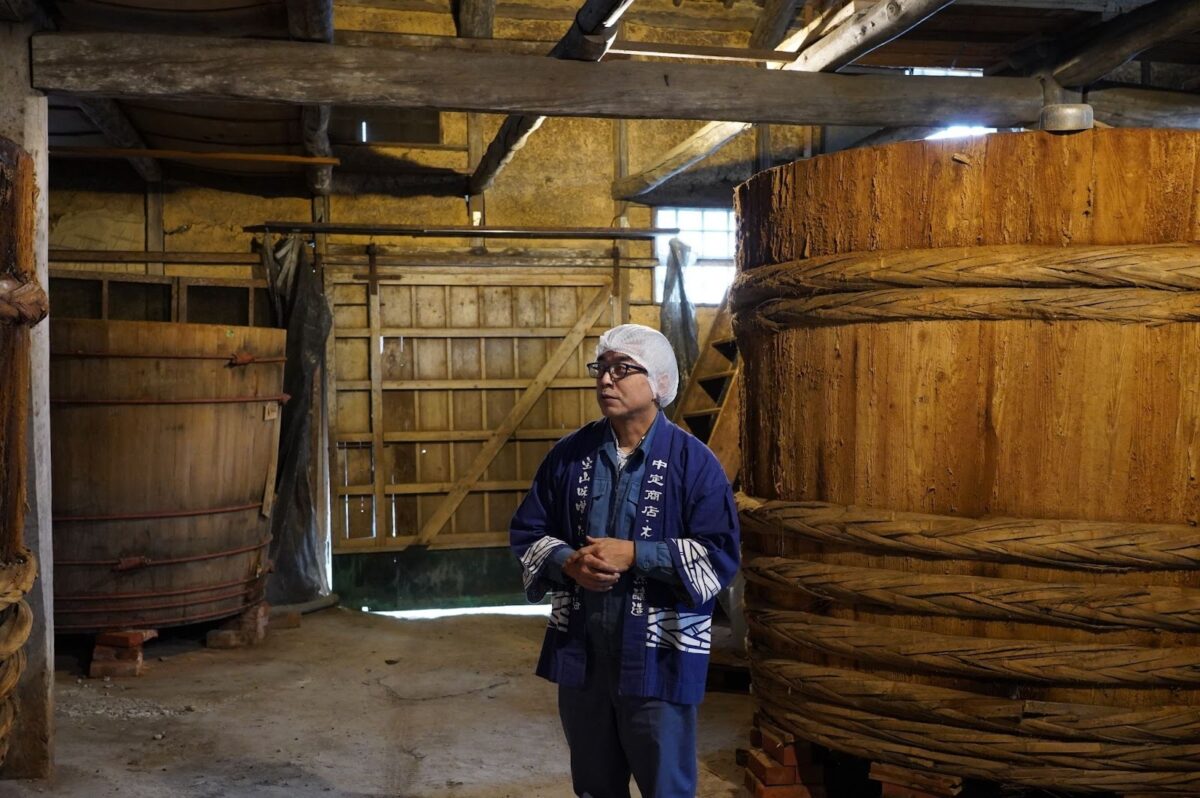
Nakasada Shoten (1879)
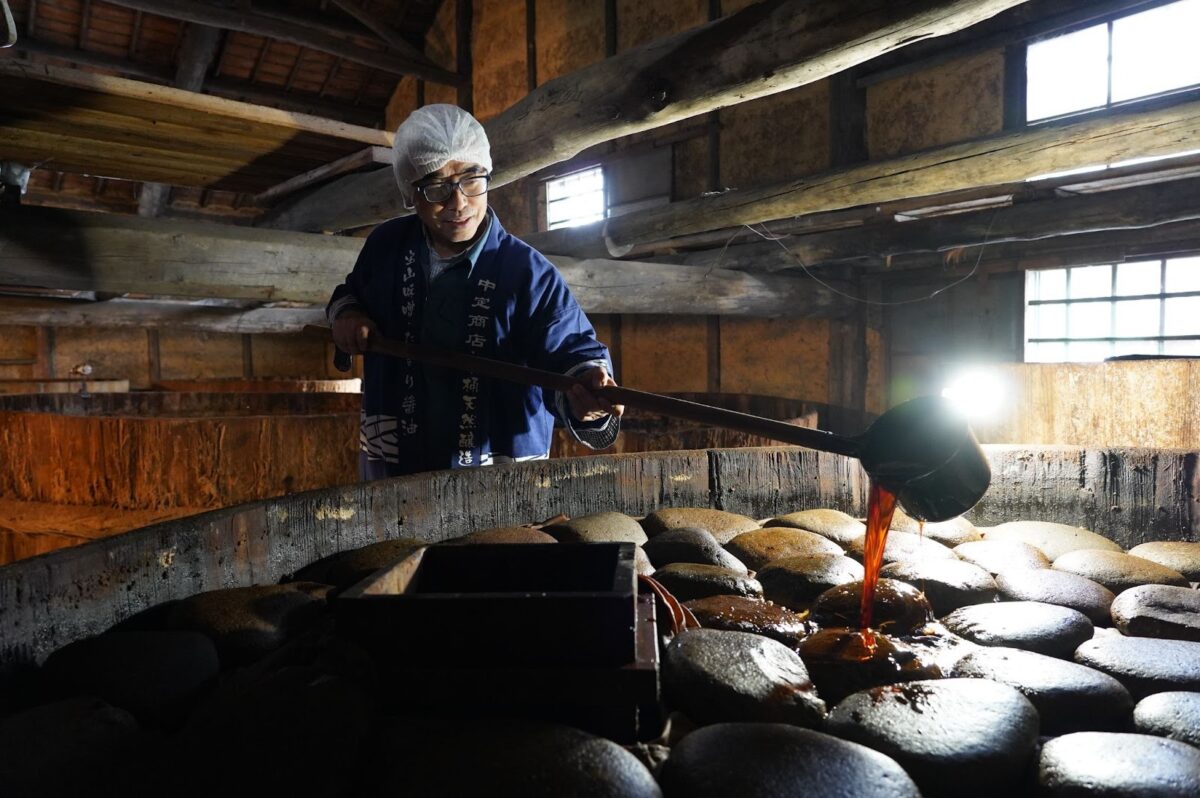
Founded during a pivotal period of Japan’s modernization, Since its founding, Nakasada Shoten has built a history by preserving the country’s traditional fermentation techniques and utilizing them in the production of miso and soy sauce. Nakasada Shoten reuses wooden vats originally from ancient sake breweries, preserving the ancestral microbes that give their products a “shogunate-era” depth.
Address: 51 Komukae, Taketoyo City, Chita-gun, Aichi Prefecture
Taisho & Showa Periods (1912–1989)
A period of industrial refinement where traditional seasonings solidified as the core of Aichi’s regional identity, driving the early development and specialization of the local fermentation industry.
Heisei & Reiwa Periods (1989–present)
These eras represent the successful transition of Aichi’s fermentation heritage from regional craft to a source of national and international culinary identity, focusing on preservation, gourmet refinement, and the conscious sourcing of local ingredients.
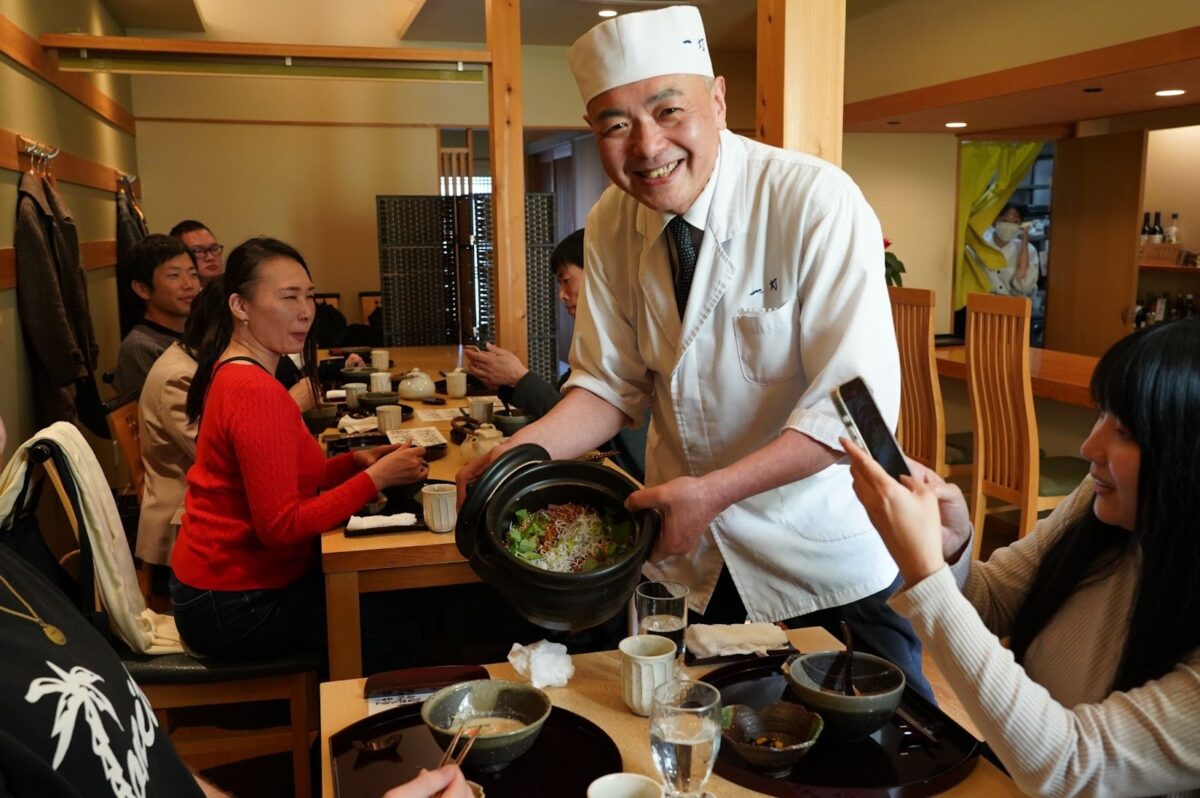
Kobanten Hanare Ittou (2015)
This modern establishment, located in Hekinan, is dedicated to preserving the regional culinary identity of the Mikawa lands. It achieves this by consciously sourcing its ingredients and produce from a network of trusted local producers in the area.
Address: 1-16 Sakuzukamachi, Hekinan City, Aichi prefecture
Where to Experience Samurai Fermentation Today
For those wishing to taste history, these facilities remain “fortresses of tradition” where the smell of sweet mirin and earthy miso creates an immediate emotional understanding of the past.
Kakukyu: Hatcho Miso
Founded in 1645, Kakukyu is the definitive standard-bearer for Hatcho Miso. Its origin story is literally rooted in the region, having been founded exactly eight cho (about 870 meters) from Tokugawa Ieyasu’s birthplace, Okazaki Castle. This miso was a vital, long-lasting ration for the samurai. The facility itself is a living museum, famously maintaining a “steady-as-a-rock” philosophy by using massive wooden vats weighed down by hand-stacked river stones; a technique unchanged since the Edo period.
Mizkan: Vinegar
Mizkan, founded in 1804, built its legacy on transforming sake lees (brewery waste) into high-quality vinegar. This pragmatic innovation fueled the Edomae Sushi boom. The process required a massive maritime trade network to ship the product from Aichi to Edo. The Vinegar Museum reveals how this “simple” byproduct was actually a feat of massive engineering that revolutionized the global palate.
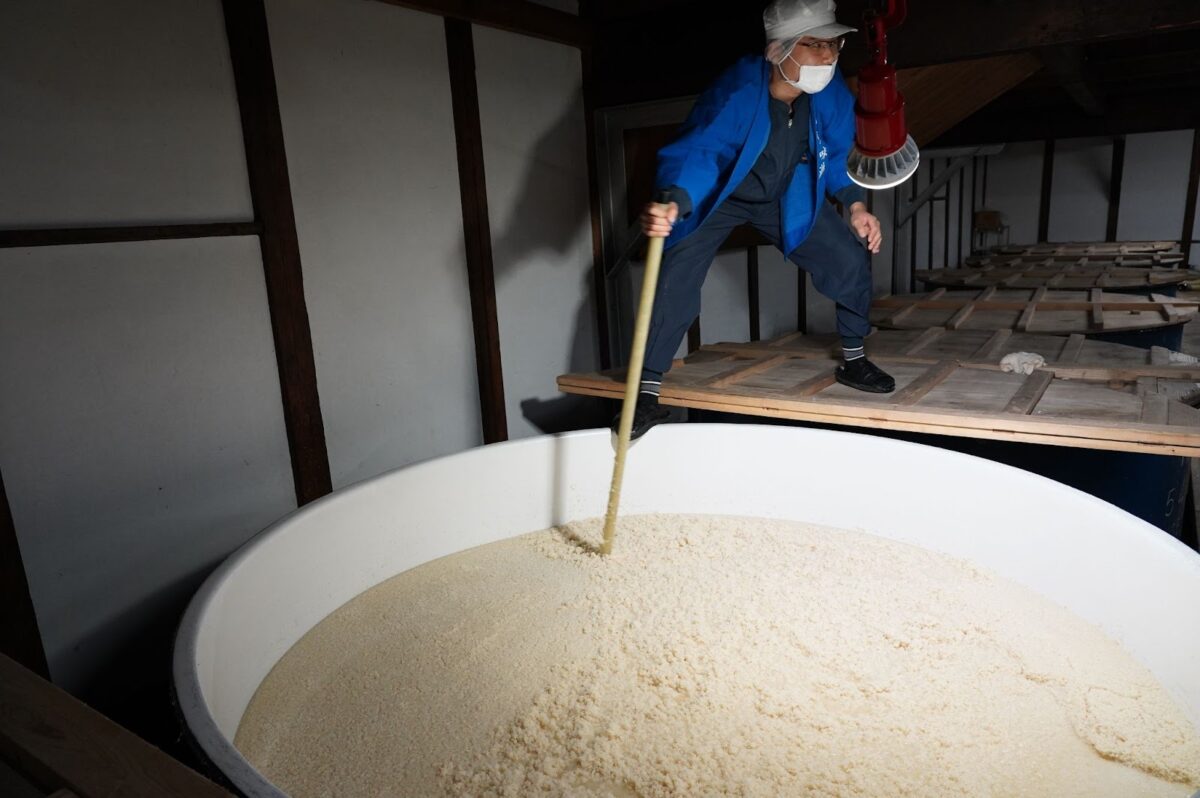
Kokonoe: Mirin
As one of Japan’s oldest Mirin brewery, founded in 1772, Kokonoe’s product was once a rare, expensive beverage for the nobility but is now a culinary staple. The brewery is housed in a 1706-built warehouse, which was actually moved from its original location to where it is now in 1787, where ancestral microbes give the Mirin its distinctive “shogunate-era” depth. The sensory experience of the steaming rice and history stays with every visitor.
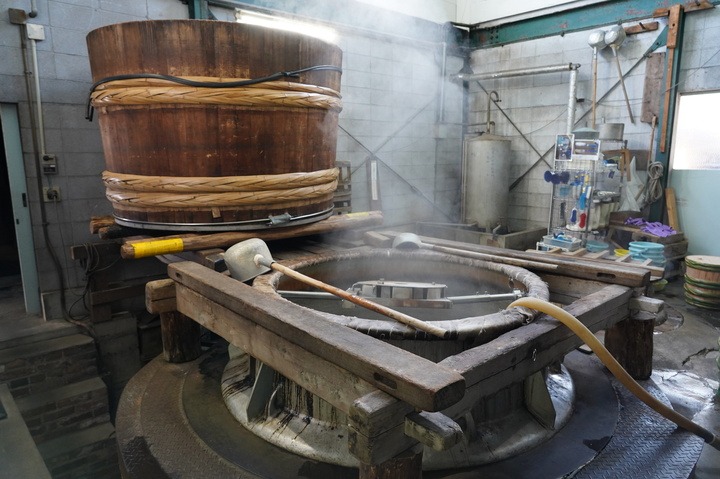
Sawada Shuzo: Sake
Founded in 1848, Sawada Shuzo represents the pinnacle of Chita Peninsula sake brewing. The brewery operates with a disciplined reverence, utilizing historic tools and structures for modern production. It is led by the eloquent 6th-generation head, Kaoru Sawada, carefully passes on the traditional sake brewing techniques and passion of their predecessors.
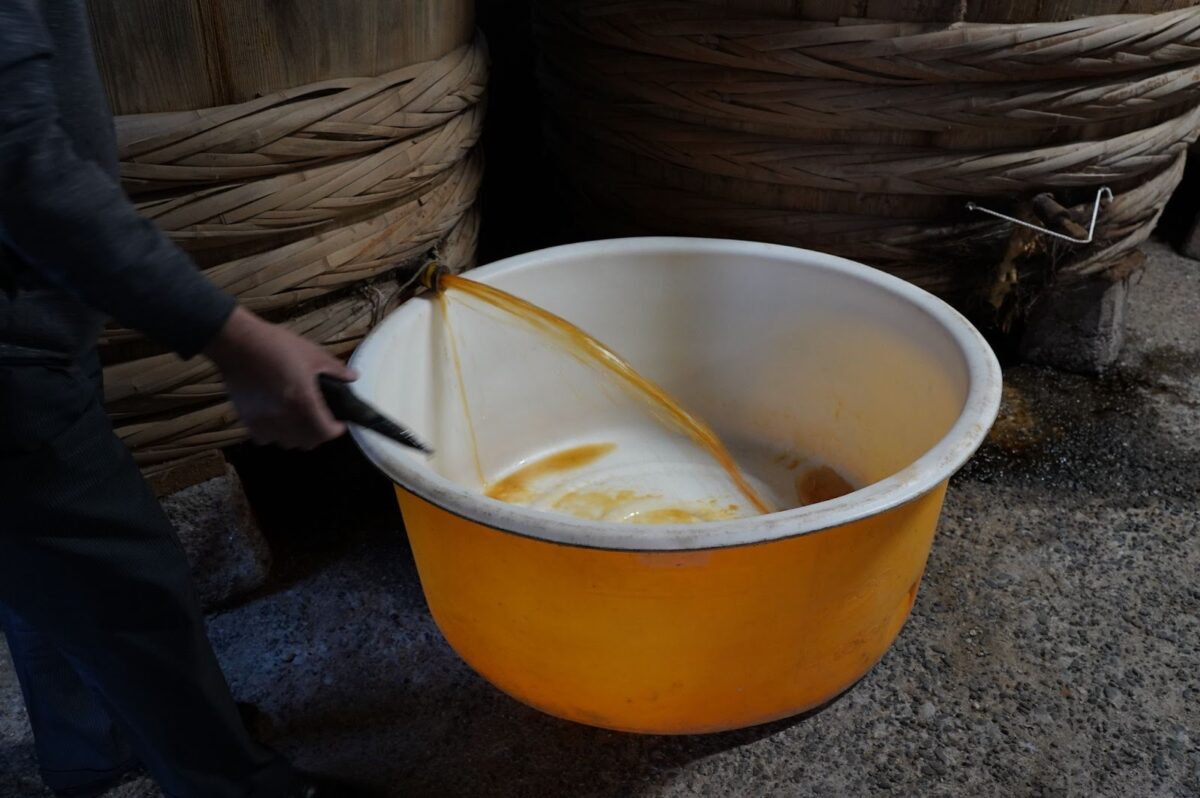
Yamashin: White Soy Sauce
Yamashin, founded in 1802, became a leading producer of Shiro Shoyu (White Soy Sauce). This refined condiment suited the aesthetic tastes of the Edo-period’s upper classes by allowing the natural colors of ingredients to shine; also a reason for its international popularity among chefs today. Now, energetic leader Mr. Okajima has turned this traditional regional “secret weapon” into a staple for global chefs in places like Paris and Milan.
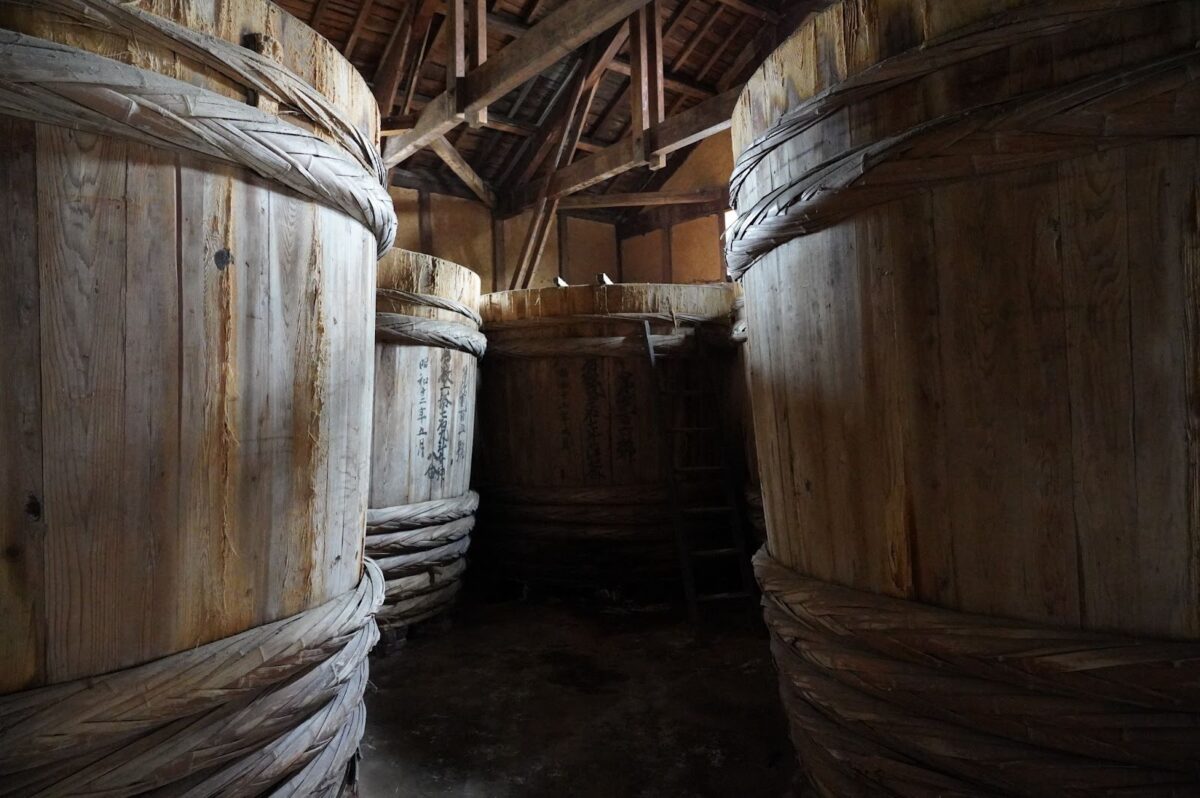
Nakasada Shoten: Miso and Tamari Soy Sauce
The Nakasada company, established in 1879, carries forward the discipline of the early Meiji transition, maintaining its lineage through mukoyoshi (son-in-law adoption). Home to the Brewing Tradition Museum, the facility preserves the “purity” demanded by traditional brewers. The current head, Mr. Nakagawa, blends scientific precision with a great, subtle sense of humor and charisma.
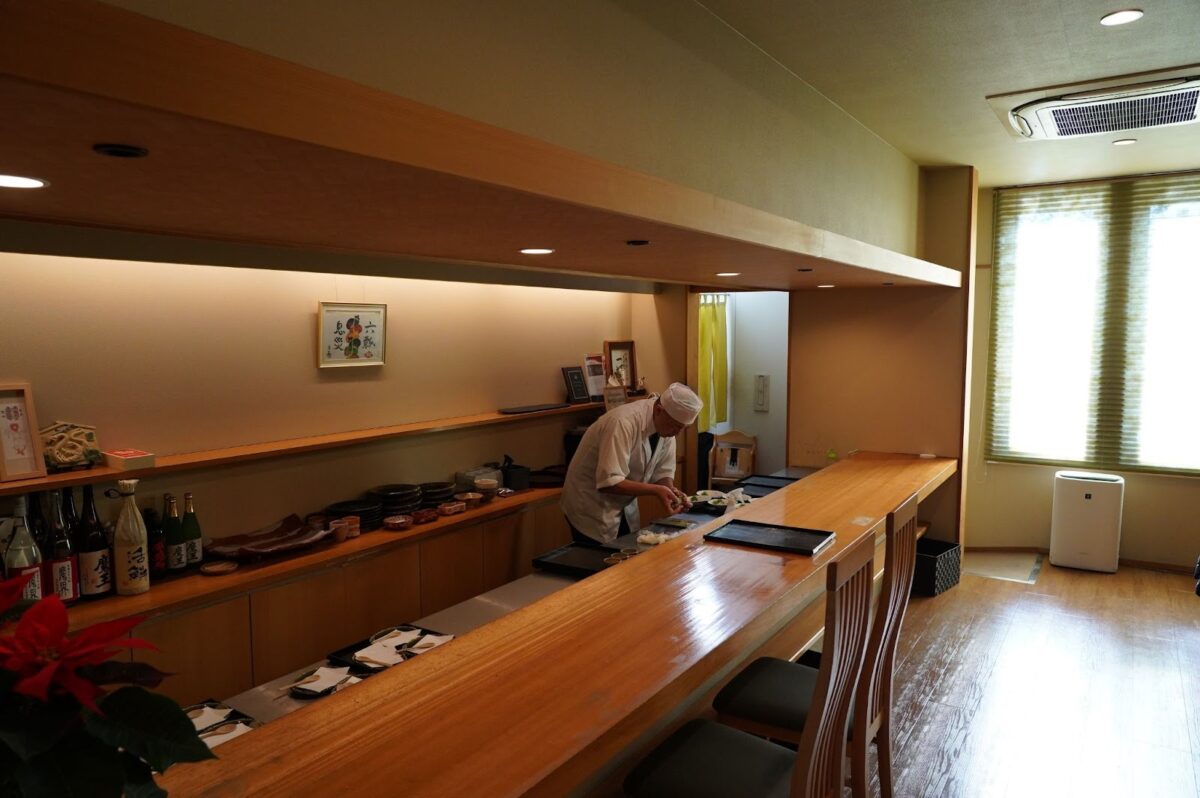
Kobanten Hanare Ittou: Authentic Restaurant
While a modern culinary establishment, Chef Hayahisa Osada’s work in Hekinan embodies the bushido spirit of service. He sources from local Aichi producers, the same lands that fed the Mikawa samurai, to create upscale, welcoming dishes that showcase the region’s fermented ingredients and preserve local identity. Here you will find many products from the other manufacturers listed, like Sawada’s sake or Yamashin’s soy sauce.
Nagoya Castle
Nagoya Castle is an architectural and historical icon of the region, famously known for its golden shachihoko (tiger-fish) ornaments atop the main keep. Originally built by Tokugawa Ieyasu in the early Edo Period, the castle was a critical military and political hub. While the main keep is a modern reconstruction following its destruction in WWII, the Honmaru Palace has been meticulously restored using traditional techniques and materials, offering a stunning glimpse into the luxurious living quarters of the Shogun’s family and retaining an atmosphere of samurai power and elegance.
Tokugawa Art Museum
The Tokugawa Art Museum houses the personal collections of the Owari Tokugawa family, one of the three main branches of the ruling Tokugawa clan. This treasure trove includes priceless artifacts, such as samurai armor, swords, tea ceremony utensils, Noh costumes, and one of the most important surviving sets of the Tale of Genji illustrated scrolls. The museum is not just a display of art; it is a direct window into the opulent culture and powerful heritage of Japan’s ruling military aristocracy during the Edo period.
Where to stay
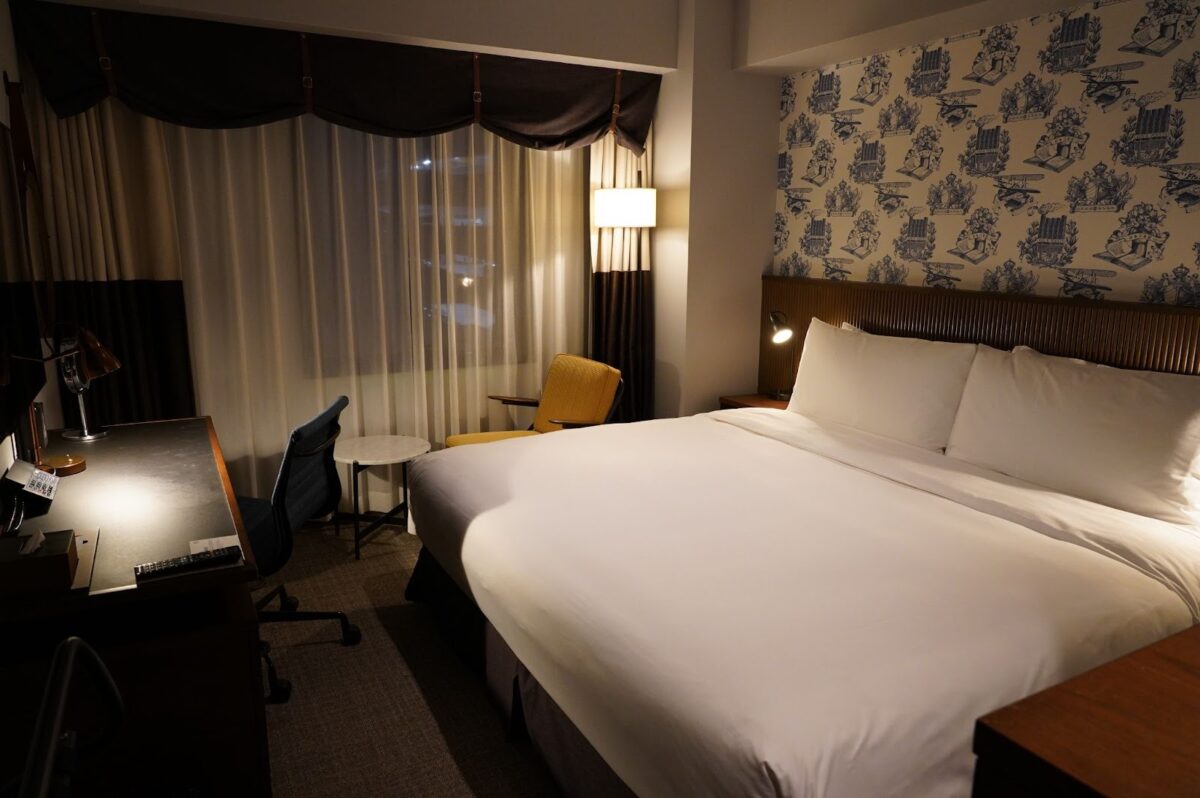
Even practical considerations support deeper exploration. With Chubu Centrair International Airport nearby, travelers have easy access. Convenient accommodations, such as the Four Points by Sheraton Nagoya Chubu International Airport, allow travelers to easily use it as a base to explore Okazaki, Taketoyo, Handa, Tokoname, Hekinan, and other fermentation-rich areas throughout Aichi. The hotel itself elevates the experience by providing high quality dishes at its on-site restaurant. They are working on menu items that artistically incorporate the flavors of Aichi in unique and delicious ways; if you’re lucky, they will be available when you stay.Aichi,such as miso or tamari,in a very fancy, gourmet way, providing a sophisticated and unique introduction to the region’s food culture.
A One-Day Route Through Aichi’s Fermentation History
This itinerary is designed as a realistic, followable day that connects samurai culture, fermented food traditions, and modern Aichi life. Times are approximate and flexible, but the flow reflects how fermentation culture naturally fits into the rhythm of the day.
Morning: Nagoya Castle & Samurai Culture
9:00–11:00
Start the day at Nagoya Castle, one of the most important historical landmarks in Aichi and a symbol of the region’s stability during the Edo period. The Tokugawa shogunate, which favored long-aged soybean miso, ruled from here, and the castle’s history provides essential context for why fermented foods flourished in the region.
- Explore the castle grounds and Honmaru Palace exhibitions, which introduce:
- Samurai daily life
- Food culture of the warrior class
- The role of preserved foods like miso in sustaining long-term governance
Access:
Nagoya Station → Subway (Higashiyama Line to Sakae, transfer to Meijo Line) → Nagoya Castle Station
Travel time: less than 20 minutes
This early stop grounds the day in political stability, time, and preservation; the same forces that shaped Aichi’s fermented food traditions.
Lunch: Miso-Based Local Cuisine
12:00–13:00
For lunch, choose a restaurant that uses traditional Aichi-style miso, allowing you to taste history rather than just read about it.
- Restaurants such as Kobanten Hanare Itto serve dishes highlighting the depth of soybean miso as well as other specialties from the area.
- If the afternoon route goes east toward Okazaki, lunch can be taken near Hatchō with dishes directly tied to local production.
Rather than a culinary detour, this meal acts as a bridge between history and lived experience illustrating how fermented foods moved from samurai necessity to everyday comfort.
Afternoon: Brewing & Fermentation Heritage
14:00–16:30
Choose one of the following, depending on interest and travel direction. Each represents a different scale of Aichi’s fermentation ecosystem.
Option A: Kakukyu Hatchō Miso Village (Okazaki)
A large-scale, historically significant producer using traditional stone-weight fermentation methods. This stop emphasizes:
- Time-intensive production
- Edo-period continuity
- The institutional weight of fermentation in Aichi
Activities:
- Witness the scale of the traditional wooden fermentation vats and the stone-weight system.
- Participate in a structured tasting of different aged miso varieties.
- Tour the museum and historical buildings explaining the company’s 380+ year history.
Access:
Meitetsu Nagoya Station → Meitetsu Line → Higashi-Okaszaki Station, then short taxi or bus
Option B: Brewing Tradition Museum and Nakasada Shoten (Taketoyo area)
Ideal for visitors staying central, this option focuses on:
- How soy sauce and miso are symbiotic
- The shared technical foundations of miso, soy sauce, and sake
Activities:
- View exhibits detailing the microbiological processes common to various fermentations.
- See giant vats of miso and soy sauce being made, help pour/redistribute the soy sauce.
Access:
Meitetsu Nagoya Station → Kowa line → Age Station, then a 10 minute walk
Option C: Sawada Sake Brewery (Chita Peninsula)
A more intimate, hands-on experience highlighting:
- Water sourced from hills
- Koji care and sensory decision-making
- Sake brewing that preserves traditional production methods using wooden tools
Activities:
- Take a guided tour along the brewery route, learning about the traditional tools and brewing processes
- Meet the toji (master brewer) to discuss ancient, traditional brewing techniques.
- Participate in a comparative tasting of sake.
This afternoon segment shifts from political history to human-scale craft, showing how fermentation knowledge is carried forward by people rather than preserved behind glass.
Access:
Meitetsu Nagoya Station → Meitetsu Line → Taketoyo station → bus to Koba Station, then a 2 minute walk
Dinner: Miso-Nikomi Udon or Kishimen
18:00–19:30
End the day with a dish locals still eat regularly: miso-nikomi udon or kishimen! both deeply tied to Aichi’s climate and ingredients.
- Thick soybean miso provides warmth, depth, and energy
- Flat noodles reflect regional wheat use
- The meal reinforces fermentation as everyday sustenance, not specialty cuisine
Dining at night mirrors how these dishes historically functioned: reliable, nourishing food after long days of work.
Conclusion: Fermentation as the Heart of Aichi’s Cultural Identity
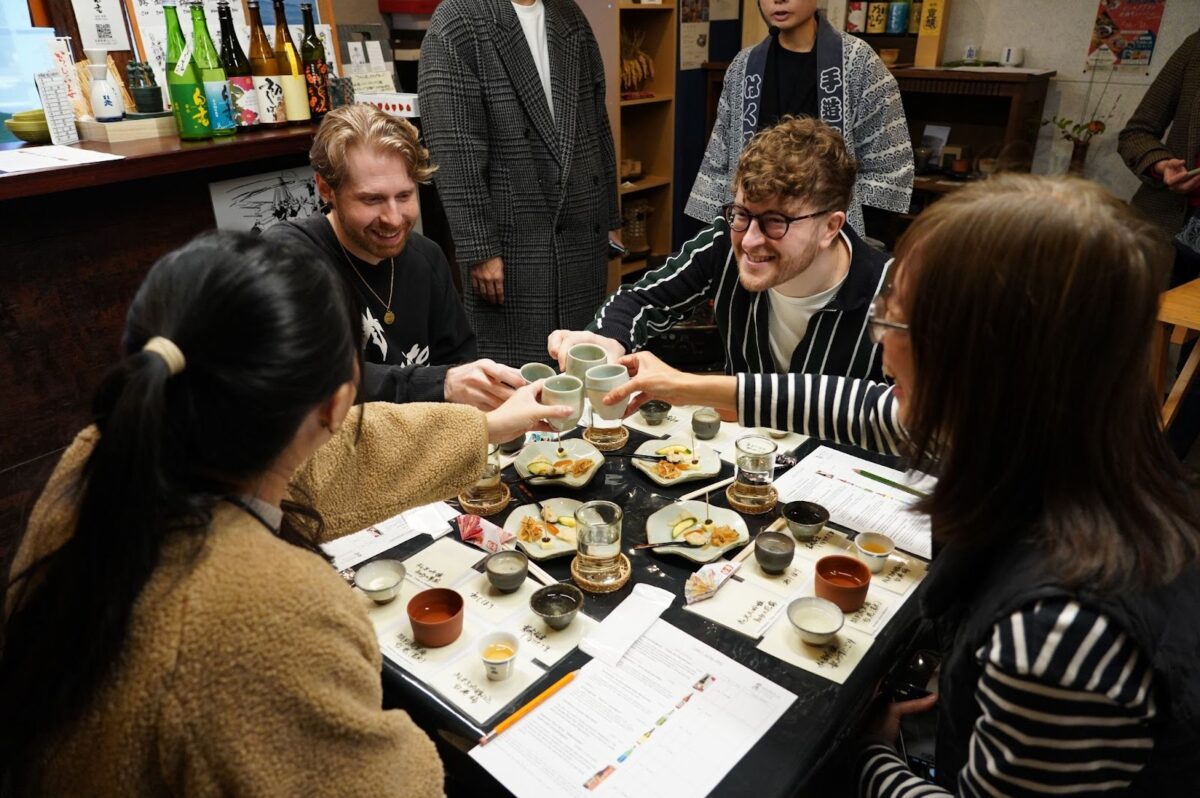
In Aichi, fermentation is a way of relating to time, place, and care, not simply a technique for making delicious food. Wooden vats that last generations, liquids that deepen in color over decades, and skills passed through hands rather than manuals all testify to a culture that values patience over speed and guidance over control.
Aichi’s food culture cannot be separated from its samurai past, nor can it be understood without engaging the people who continue to carry these traditions forward. For travelers seeking a deeper, more grounded experience of Japan, one rooted in flavor, craft, and living history, Aichi offers something quietly extraordinary.
(For those interested in exploring where and how to taste these traditions today, a dedicated food-focused guide builds on this historical foundation.)