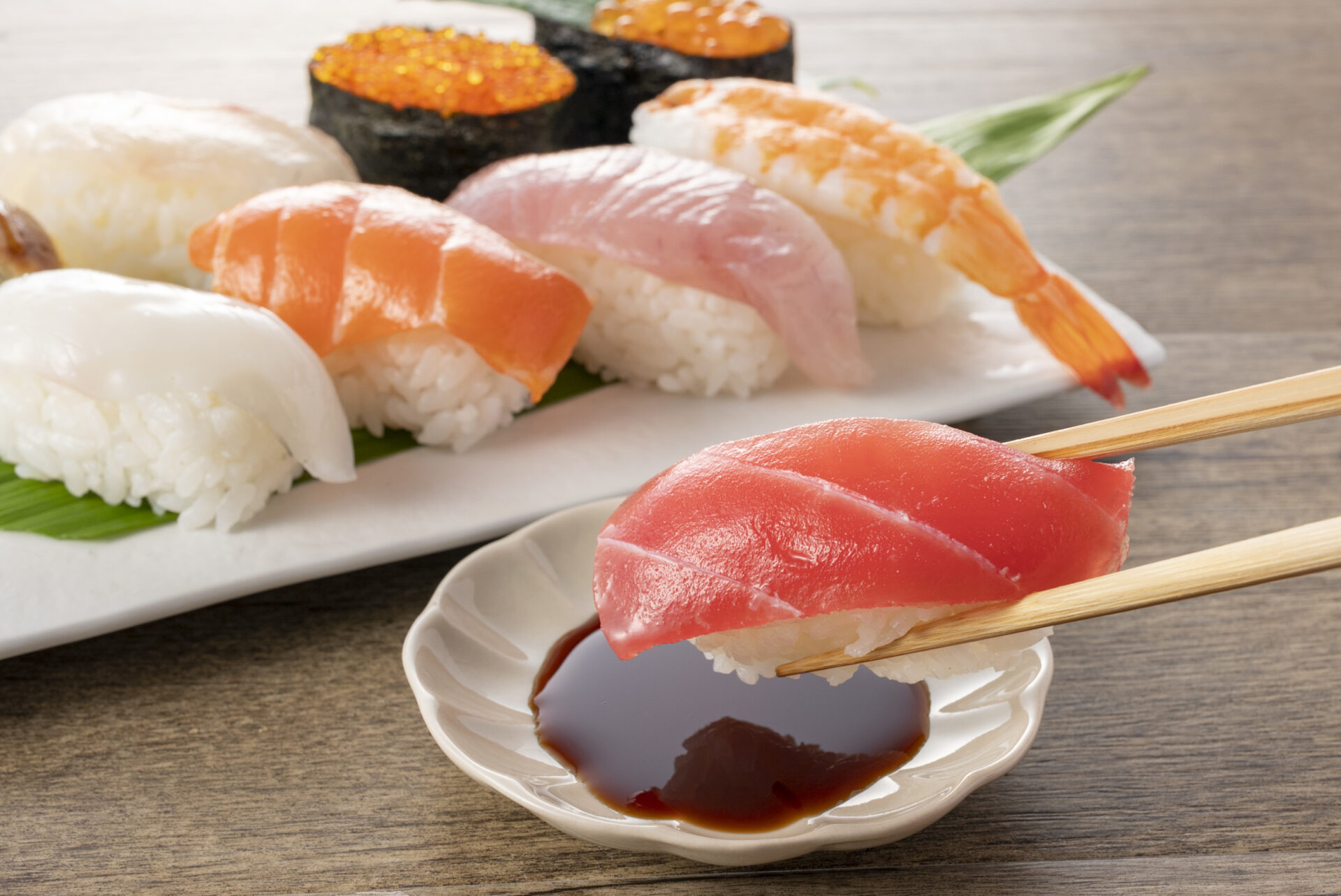
Japanese sushi is one of the country’s most recognizable culinary traditions, combining vinegared rice with ingredients such as seafood, vegetables, and egg. From hand-shaped nigiri and seaweed-wrapped maki rolls to colorful bowls of chirashi, there are many types of sushi to discover in Japan.
But sushi is about more than raw fish. Understanding the different styles, ingredients, and dining customs can help you order confidently and enjoy a more rewarding food experience during your trip.
In this guide, you’ll discover the most common types of Japanese sushi, learn useful Japanese menu terms, find out how to eat sushi in Japan, and get practical tips for choosing what to try. You’ll also learn how you can experience Japanese sushi culture firsthand with a hands-on sushi-making class in Tokyo.
- What Is Japanese Sushi?
- What Are the Main Ingredients in Sushi?
- 7 Common Types of Japanese Sushi You Should Try
- Popular Sushi Toppings to Try in Japan
- How to Eat Sushi in Japan: Essential Etiquette
- How to Enjoy Sushi in Japan
- Why Making Sushi Yourself Is a Memorable Cultural Experience in Tokyo
- Join Our Sushi-Making Class in Tsukiji, Tokyo
- Frequently Asked Questions About Japanese Sushi and Sushi-Making Classes
What Is Japanese Sushi?
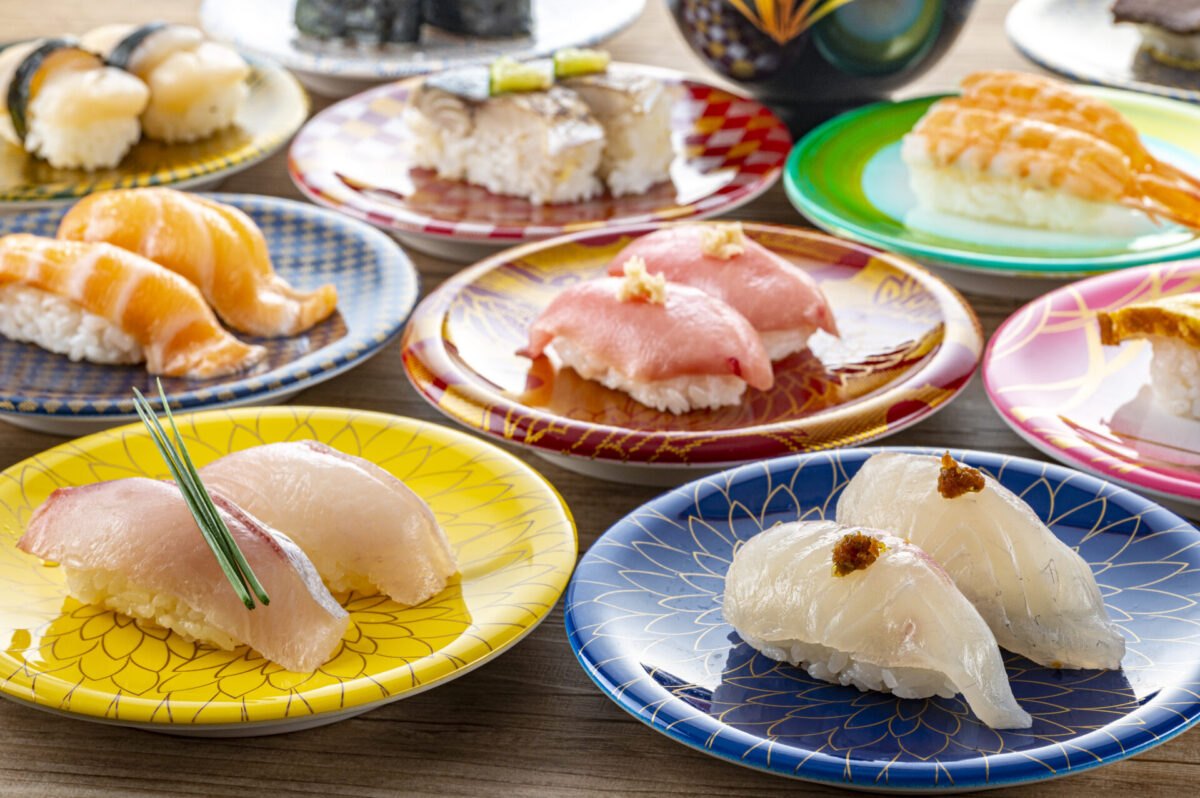
Japanese sushi is a dish made with specially seasoned rice, typically prepared with rice vinegar, sugar, and salt. The rice, known as shari, is combined with ingredients such as fish, seafood, vegetables, or egg to create different sushi styles.
Although raw fish is commonly associated with sushi, it is not essential. Many varieties feature cooked seafood, grilled ingredients, vegetables, or Japanese omelet.
What distinguishes sushi is primarily the seasoned rice, rather than whether the topping is raw or cooked.
A Brief History of Sushi in Japan
The history of sushi stretches back centuries. Early forms of sushi developed from methods of preserving fish through fermentation, in which rice helped the preservation process. These preparations were quite different from the sushi commonly served in restaurants today.
Over time, Japanese cooks developed styles that made the rice an important part of the dish rather than simply a means of preserving fish. The use of vinegar-seasoned rice helped create a faster preparation method and contributed to the development of modern sushi.
During the Edo period (1603–1868), a style of hand-shaped sushi associated with Edo, present-day Tokyo, became popular. This style is closely related to what we now know as nigiri sushi. It could be prepared and served relatively quickly, making it suitable for the busy urban food culture of the time.
Today, sushi ranges from casual meals at conveyor-belt restaurants to carefully prepared courses at specialist sushi counters. While techniques and ingredients continue to evolve, the balance of rice, toppings, seasoning, and craftsmanship remains central to the experience.
What Are the Main Ingredients in Sushi?
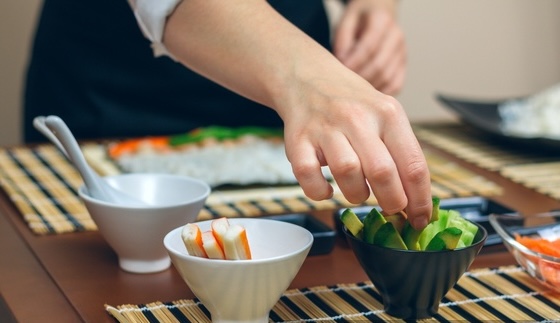
Understanding a few basic ingredients will help you recognize different sushi styles and appreciate how they are prepared.
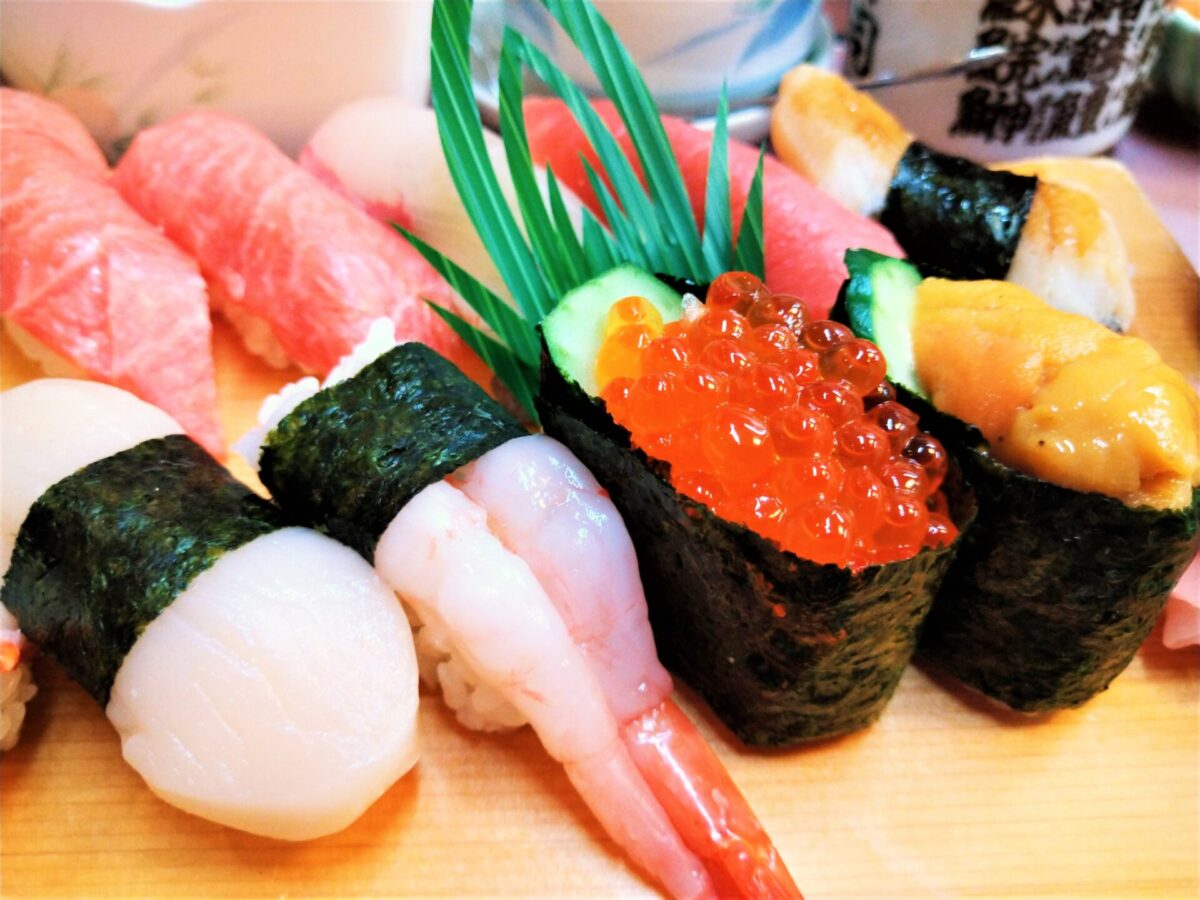
- Shari (シャリ): Vinegar-seasoned sushi rice. Its seasoning and texture play an important role in the overall flavor.
- Neta (ネタ): The ingredient placed on top of nigiri, often fish or seafood, but sometimes egg or another topping.
- Nori (海苔): Dried seaweed used to wrap sushi rolls and some other preparations.
- Shoyu (醤油): Japanese soy sauce, commonly served as a condiment.
- Wasabi (わさび): A pungent Japanese condiment that may be served separately or added during preparation.
- Gari (ガリ): Thinly sliced pickled ginger, often served alongside sushi.
- Tamago (卵): Egg, commonly prepared as a Japanese omelet and used as a sushi topping.
The ingredients and seasonings vary according to the style of sushi and the restaurant. Some chefs season individual pieces before serving them, while others provide soy sauce and condiments for diners to use themselves.
7 Common Types of Japanese Sushi You Should Try
There are several distinct types of sushi in Japan, each with its own shape, ingredients, and preparation method. Knowing the differences can help you decide what to order.
| Sushi type | Japanese name | What it is | Best for |
| 1. Nigiri | Nigirizushi | Hand-shaped rice topped with an ingredient | Trying individual fish and seafood toppings |
| 2. Rolled sushi | Makizushi | Rice and fillings rolled in nori | Exploring different combinations of ingredients |
| 3. Hand rolls | Temaki | Cone-shaped nori filled with rice and other ingredients | A casual, handheld meal |
| 4. Inside-out rolls | Uramaki | Rolls with rice on the outside and nori inside | Trying modern sushi-roll variations |
| 5. Scattered sushi | Chirashizushi | Sushi rice served with assorted toppings | Enjoying a variety of ingredients in one bowl |
| 6. Inari sushi | Inarizushi | Sushi rice inside a seasoned fried tofu pouch | Trying a sweet-savory, often meat-free sushi style |
| 7. Pressed sushi | Oshizushi | Sushi shaped by pressing rice and toppings together | Discovering regional sushi traditions |
Sashimi is another popular Japanese dish, but it is not a type of sushi because it is served without sushi rice.
1. Nigiri Sushi (握り寿司)
Nigiri sushi consists of a small mound of vinegared rice topped with an ingredient such as fish, seafood, or egg. The topping is often raw, but cooked and seared varieties are also common.
Popular toppings include tuna (maguro), salmon (sake), yellowtail (hamachi), shrimp (ebi), and Japanese omelet (tamago).
Nigiri is a good choice if you want to appreciate the individual flavor and texture of each ingredient. At some sushi restaurants, the chef prepares each piece to order and adds wasabi, sauce, or seasoning before serving it.
What should you try? Start with a familiar topping such as tuna or salmon, then explore a white-fleshed fish, cooked shrimp, or another seasonal recommendation.
If you want to learn more about individual toppings, read our guide to 10 types of nigiri sushi to try in Japan.
2. Maki Sushi (巻き寿司)
Maki sushi is made by rolling sushi rice and fillings together, usually using a sheet of nori. The roll is then sliced into individual pieces.
Common fillings include cucumber, tuna, salmon, shrimp, and other seafood. Some rolls contain several ingredients, while simpler varieties focus on one main filling.
Maki is widely available in casual sushi restaurants, supermarkets, and takeaway shops in Japan.
What should you try? Cucumber rolls are a simple option, while tuna rolls offer a familiar seafood flavor. Look at the ingredients listed on the menu if you have particular preferences or dietary restrictions.
3. Temaki Sushi (手巻き寿司)
Temaki is a hand-rolled form of sushi shaped like a cone. Nori is filled with rice and ingredients such as fish, vegetables, or seafood, creating a handheld portion.
Unlike many maki rolls, temaki is usually intended to be eaten soon after preparation so that the seaweed remains crisp.
Temaki is popular in casual dining settings and at home, where diners can assemble their own combinations of rice, fillings, and condiments.
What should you try? Choose a filling you enjoy, such as tuna, salmon, or vegetables. If you’re eating temaki at a restaurant, eat it soon after it is served to enjoy the contrast between crisp nori and the filling.
4. Uramaki Sushi (裏巻き寿司)
Uramaki is an inside-out roll in which the rice is on the outside and the nori is inside, surrounding the fillings.
This style is associated with many modern sushi-roll variations, including rolls topped with sesame seeds or other ingredients. Some familiar international sushi creations use the uramaki format.
Uramaki is not the only style you’ll encounter in Japan, and its availability varies by restaurant. Traditional sushi counters may focus more on nigiri and simpler rolls, while casual establishments may offer a wider selection.
What should you try? If you enjoy combinations of different textures and flavors, choose a roll with ingredients that appeal to you. Check the menu carefully, as sauces and additional toppings can vary considerably.
5. Chirashi Sushi (ちらし寿司)
Chirashi sushi consists of sushi rice served in a bowl or container with a selection of toppings arranged over it. These may include fish, seafood, egg, and vegetables.
The name chirashi relates to scattering or spreading ingredients, reflecting the style of presentation.
Unlike nigiri, where each topping is served on an individual piece of rice, chirashi brings several ingredients together in one serving. This makes it a convenient option if you want to enjoy a variety of flavors in a single meal.
There are regional and restaurant-specific variations, including differences in the ingredients, arrangement, and seasoning.
What should you try? Chirashi is worth considering if you enjoy variety and want a meal that includes several different toppings. Ask about the ingredients if you have allergies or prefer to avoid raw seafood.
6. Inari Sushi (稲荷寿司)
Inari sushi consists of sushi rice placed inside a pouch of seasoned fried tofu known as aburaage. The tofu is typically simmered in a sweet-savory seasoning, giving it a distinctive flavor.
Unlike many sushi varieties, inari does not require a fish topping. It is often available at takeaway shops, supermarkets, and casual restaurants.
Inari can be a useful option for diners who prefer not to eat raw fish, although the exact ingredients and preparation should always be checked if you follow a specific diet.
What should you try? If you enjoy sweet-savory flavors, inari offers a different experience from seafood-based sushi. Remember that the tofu is seasoned and that recipes may contain additional ingredients.
7. Oshizushi (押し寿司)
Oshizushi is pressed sushi made by placing rice and toppings into a mold and pressing them together to form a compact shape. It is then cut into individual portions.
This preparation is associated with regional sushi traditions in Japan. One well-known example is battera, a pressed sushi style commonly associated with Osaka and often made with mackerel.
Oshizushi differs from nigiri because the rice and topping are shaped together through pressing rather than by hand-forming individual pieces.
What should you try? If you encounter oshizushi while traveling in Japan, consider trying a regional version. The ingredients and flavor can vary depending on where it is made.
Is Sashimi a Type of Sushi?
No. Sashimi is a separate Japanese dish consisting of carefully sliced seafood or other traditionally prepared ingredients served without sushi rice.
Sushi, by contrast, uses vinegared rice as a defining component. Some sushi contains raw fish, but sushi can also include cooked seafood, egg, vegetables, and other ingredients.
Understanding this distinction will help you navigate Japanese menus and recognize what you are ordering.
Popular Sushi Toppings to Try in Japan
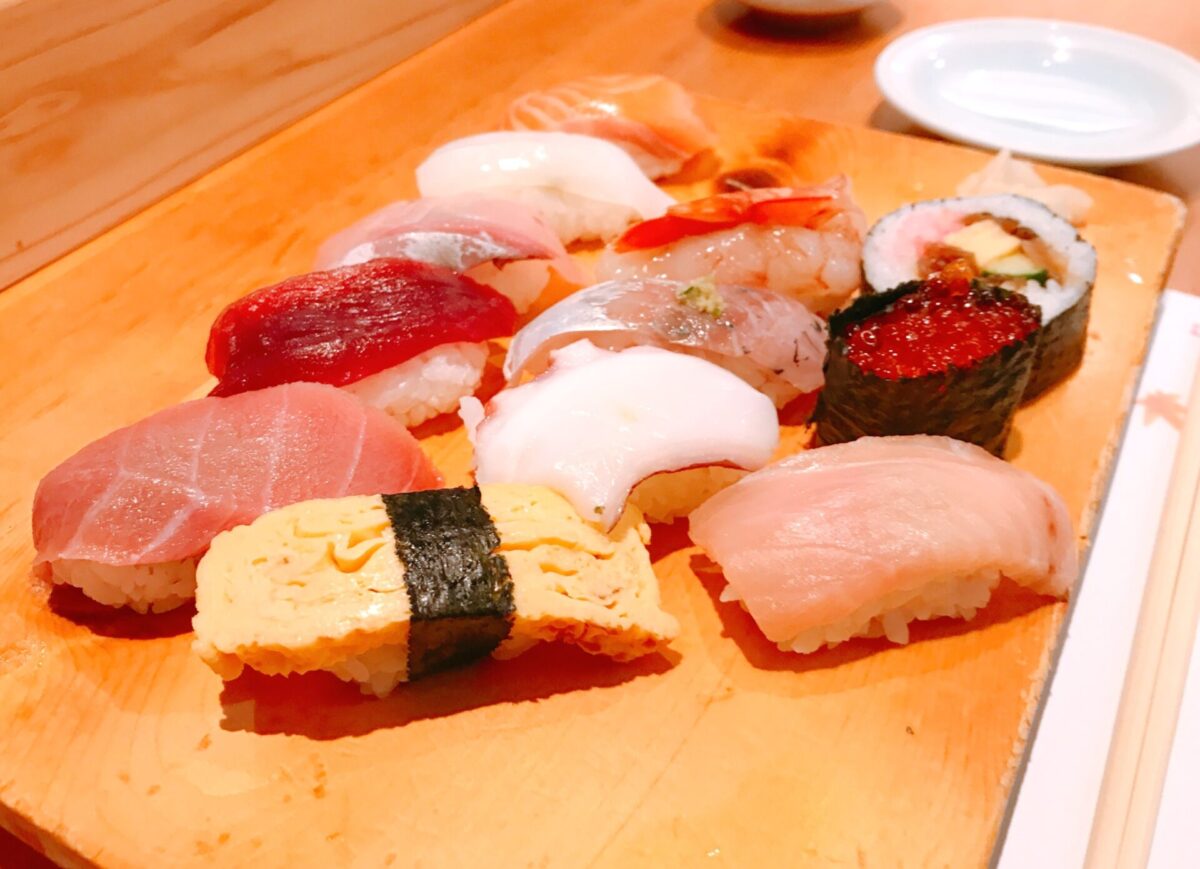
Once you understand the main sushi styles, you can start exploring the ingredients themselves. Sushi restaurants in Japan offer a wide variety of fish, seafood, and other toppings, with availability depending on the restaurant, region, and season.
Here are some useful Japanese names to recognize.
Tuna (Maguro)
Tuna is a classic sushi ingredient with a flavor and texture that vary depending on the cut. Lean tuna, known as akami, has a clean, savory flavor, while fattier cuts such as chūtoro and ōtoro have a richer texture.
If you enjoy tuna, trying more than one cut can help you understand the differences in flavor and richness.
Salmon (Sake)
Salmon is known for its orange color, soft texture, and rich flavor. It is commonly served raw as nigiri or used in sushi rolls, although cooked and seared variations are also available.
Salmon can be a useful starting point if you already enjoy its flavor.
Yellowtail (Hamachi and Buri)
Yellowtail is often sold as hamachi or buri in Japan, with the names commonly associated with different growth stages of Japanese yellowtail.
Hamachi is often tender and rich, while seasonal buri can have a particularly fatty texture. Buri is traditionally associated with winter, although availability and quality depend on the fish and source.
Shrimp (Ebi) and Sweet Shrimp (Amaebi)
Ebi refers to shrimp generally and is commonly served cooked as sushi. Amaebi, or sweet shrimp, is typically served raw and has a softer texture and sweeter flavor.
These are different preparations, so check the menu if you have a preference.
Eel (Anago and Unagi)
Anago is conger eel, while unagi is freshwater eel. Both are popular in Japanese cuisine, but their preparation and flavor differ.
Anago is often cooked until tender and served with a delicate sweet-savory sauce. Unagi is commonly grilled and glazed with a richer sauce.
Both are useful options if you prefer cooked seafood.
Egg (Tamago)
Tamago is Japanese omelet, commonly prepared with eggs and seasonings that can include sugar. It is cooked and often served as nigiri or used in other sushi preparations.
Its mild, slightly sweet flavor offers a contrast to seafood toppings.
Squid (Ika) and Octopus (Tako)
Ika refers to squid, which is often served raw and has a mild flavor with a slightly chewy texture. Tako refers to octopus, which is commonly cooked before being served as sushi.
Both are worth trying if you want to explore seafood beyond tuna and salmon.
Tip: If you’re unsure what to order, ask the chef or restaurant staff what is recommended that day. This is a practical way to discover ingredients that may be seasonal or specific to the restaurant.
How to Eat Sushi in Japan: Essential Etiquette
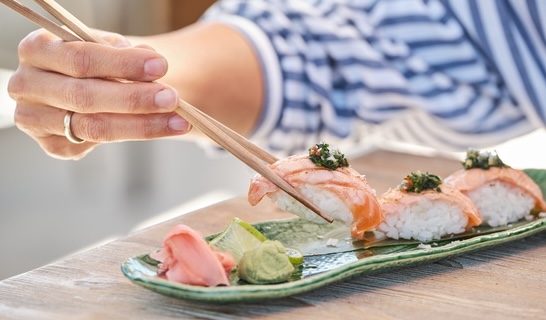
Sushi etiquette in Japan is often simpler than visitors expect. Customs can vary depending on the restaurant, and there is no need to memorize a long list of rigid rules. A few practical guidelines will help you feel more comfortable.
1. Can You Eat Nigiri With Your Hands?
Yes. Both hands and chopsticks are acceptable ways to eat nigiri. Use whichever feels comfortable, and observe the restaurant’s style if you’re unsure.
Maki and many other sushi varieties are also easy to eat with chopsticks or your hands, depending on how they are served.
2. How Should You Use Soy Sauce?
If soy sauce is provided, use a small amount rather than soaking the sushi. When possible, lightly dip the topping side of nigiri to avoid saturating the rice.
Some chefs season nigiri with soy-based sauce, salt, or other condiments before serving it. If a piece already has seasoning, additional soy sauce may not be necessary.
At a sushi counter, you can ask the chef whether a piece should be eaten as served.
3. Should You Eat Sushi in One Bite?
Nigiri is generally shaped to be eaten in one bite, but portion sizes vary. Eat at a comfortable pace rather than forcing yourself to finish a piece that is too large.
Maki and other sushi styles may be served in different sizes, so use common sense rather than treating one-bite eating as an absolute rule.
4. What Is Pickled Ginger For?
Pickled ginger, known as gari, is commonly served alongside sushi. It can be eaten between different pieces to refresh your palate.
It is usually enjoyed separately rather than placed on top of every piece of sushi. How much you eat is a matter of personal preference.
5. Should You Add Wasabi to Every Piece?
Not necessarily. Wasabi may already be included between the rice and topping, depending on the restaurant and style of service.
If you prefer more or less wasabi, you can ask for an adjustment. If the chef has already seasoned a piece, try it as served before adding anything else.
6. Is It Rude to Leave Food on Your Plate?
It’s best to order an amount you expect to enjoy and avoid unnecessary food waste. However, if you cannot finish a dish, you should not feel pressured to eat beyond your comfort.
At specialist sushi counters, portions and ordering styles may differ from casual restaurants. If you’re unsure how to order, ask the staff for guidance.
7. Is Sushi Etiquette Different at a Sushi Counter?
A traditional sushi counter can involve more direct interaction with the chef, who may prepare pieces individually and serve them in a recommended order.
Pay attention to the chef’s instructions and avoid touching the serving area or ingredients without permission. In casual sushi restaurants, the experience is usually more informal.
The most important principles are to be considerate, follow the restaurant’s guidance, and enjoy the food.
How to Enjoy Sushi in Japan
Exploring sushi in Japan is about more than discovering different ingredients. From casual conveyor-belt restaurants to traditional sushi counters, each setting offers a different way to experience Japanese food culture.
If you’re new to sushi, start with familiar ingredients such as tuna, salmon, or cooked shrimp, and ask restaurant staff about seasonal recommendations. Remember that sushi is not always raw, and if you have dietary restrictions or food allergies, confirm the ingredients and preparation before ordering.
For a more hands-on experience, you can also learn how sushi is prepared by joining a sushi-making class in Tokyo.
Why Making Sushi Yourself Is a Memorable Cultural Experience in Tokyo
Tasting sushi is one way to discover Japanese cuisine, but learning how to make it offers a different perspective. A hands-on sushi-making experience lets you explore the ingredients, techniques, and traditions behind this iconic Japanese dish.
Learn Directly from a Professional Sushi Chef
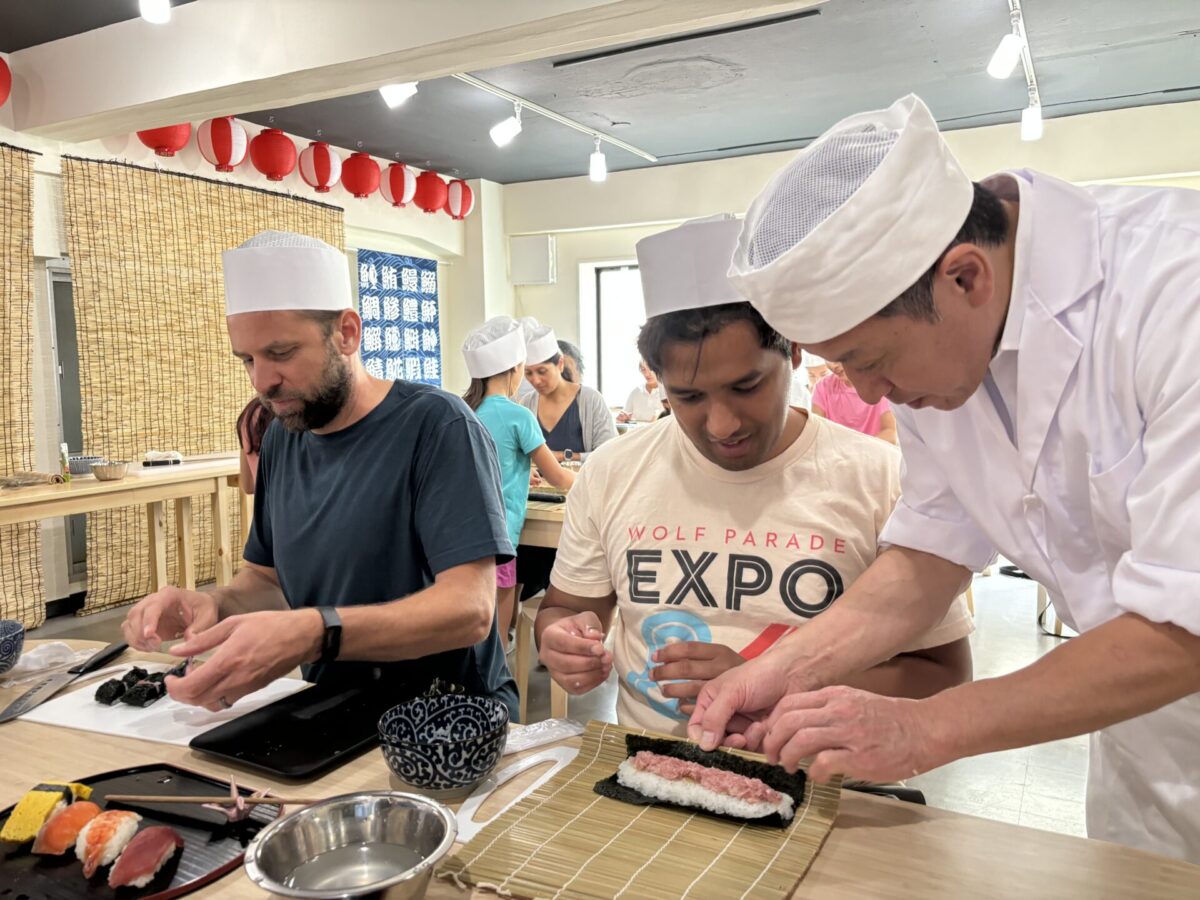
Making sushi involves more than placing fish on rice. Preparing the rice, shaping nigiri, and assembling rolls all require attention to ingredients, texture, and technique.
During a guided sushi-making class, you can learn the basics of preparing nigiri and rolled sushi while gaining a better understanding of how these familiar dishes are made.
A Fun, Hands-On Activity for Families and Groups
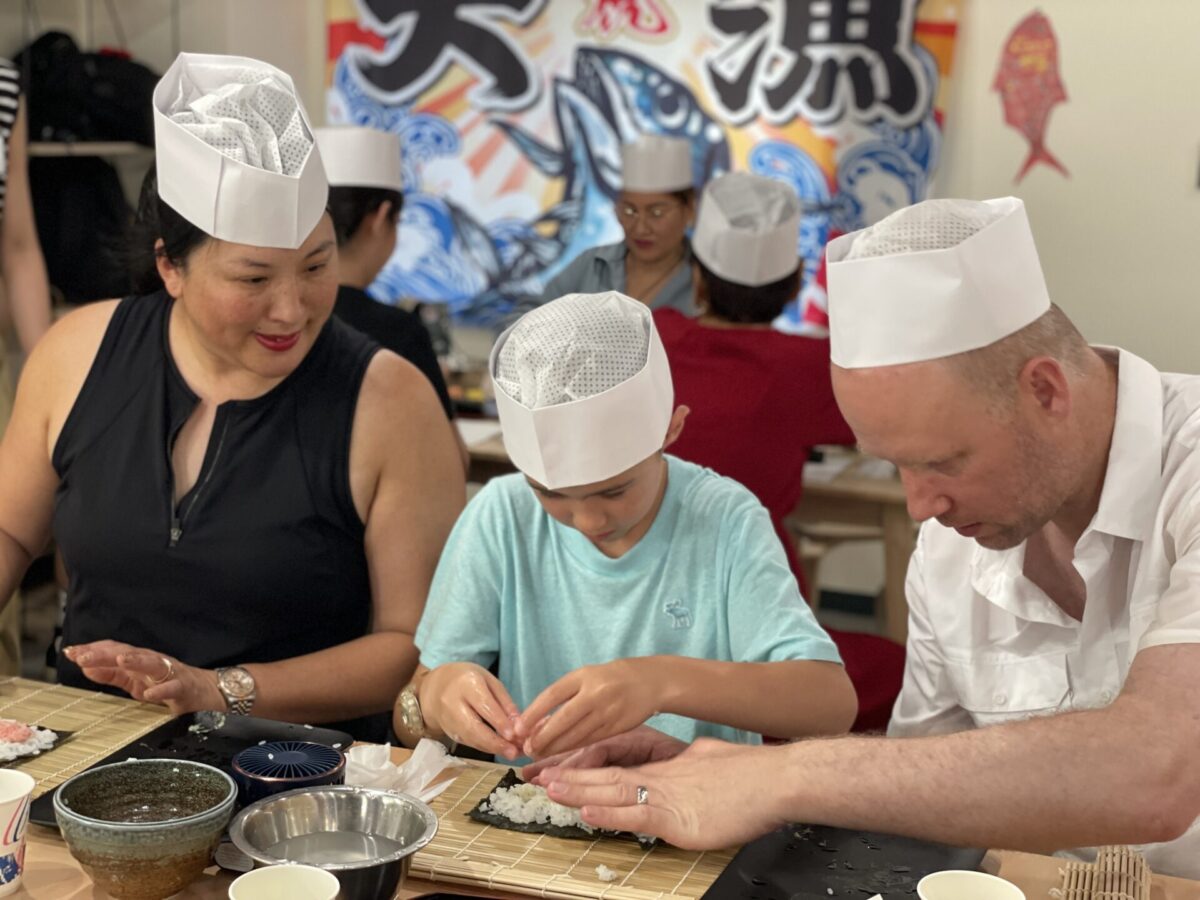
A sushi-making workshop can be a memorable addition to a Tokyo itinerary for travelers who enjoy food and cultural activities. This family-friendly experience gives participants the chance to practice sushi-making techniques themselves rather than simply watching someone else prepare sushi.
With English-language assistance, international visitors can follow the instructions and learn more about Japanese food culture. Families traveling with little ones can also plan ahead: infants under 2 years old can participate free of charge. Check the booking page for current age requirements and suitability for children before making a reservation.
Join Our Sushi-Making Class in Tsukiji, Tokyo

Ready to go beyond tasting sushi and try making it yourself? Japan Wonder Travel offers a hands-on sushi-making class in Tokyo, where a professional sushi chef teaches participants how to prepare two popular styles of Japanese sushi: nigiri and rolled sushi.
An English-speaking guide assists throughout the class, helping you follow the process and learn more about the techniques and cultural traditions behind Japanese sushi.
What You Will Experience in the Sushi-Making Class
During the workshop, you will have the opportunity to:
- Discover sushi ingredients and techniques. Learn about the ingredients used in sushi and the basic principles behind its preparation.
- Practice making nigiri and rolled sushi. Follow the professional chef’s guidance as you learn how to shape sushi rice and assemble your own pieces.
- Enjoy a hands-on culinary experience. Put what you’ve learned into practice and experience the satisfaction of making sushi yourself.
- Learn with English-language assistance. An English-speaking guide helps you understand the instructions throughout the class.
Tokyo Sushi-Making Class : Details at a Glance
- Location: Tsukiji, Tokyo
- Start time : 10:00 AM session or 1:00 PM session
- Duration : 1.5 Hours
- Experience: Hands-on Japanese sushi-making workshop class
- What you’ll learn: Nigiri sushi and rolled sushi
- Instruction: Professional sushi chef
- Language assistance: English-speaking guide
- Vegetarian & Gluten-Free Options Available*
*If you require vegetarian or gluten-free options, please let us know at least 3 days before your class so we can review your request in advance.
Planning to explore the neighborhood too? Our Tsukiji Fish Market guide covers the area and other ways to experience its food culture.
Frequently Asked Questions About Japanese Sushi and Sushi-Making Classes
- QIs the sushi-making class suitable for complete beginners?
- A
The class introduces participants to making nigiri and rolled sushi with guidance from a professional chef, making it relevant to travelers interested in learning the basics. Check the booking page for any prerequisites or age restrictions before reserving.
- QCan children participate in the sushi-making class?
- A
Yes, children aged 3 and older can join the class, although younger children may find the hands-on activities challenging.
- Infants (under 2): Free of charge.
- Children (ages 3–12): Participation starts at age 3
- Adults (ages 13+): Standard adult category.
- QCan the Sushi-Making Class Accommodate Food Allergies?
- A
We will do our best to accommodate food allergy-related requests, but it may not always be possible to meet every requirement. Please inform us of any allergies at least 3 days in advance so we can discuss your needs before the class.
- QAre Vegetarian, Vegan, or Gluten-Free Options Available?
- A
If you require vegetarian, vegan, or gluten-free options, please inform us at 3 days before the class. We will review your request and let you know what arrangements may be possible.
- QHow far in advance should I book the Tokyo sushi-making class?
- A
Booking availability varies by date and session. Check the official booking page as soon as your travel dates are known, particularly if you have limited flexibility. Make your reservation in advance when possible, and confirm the booking terms before paying.